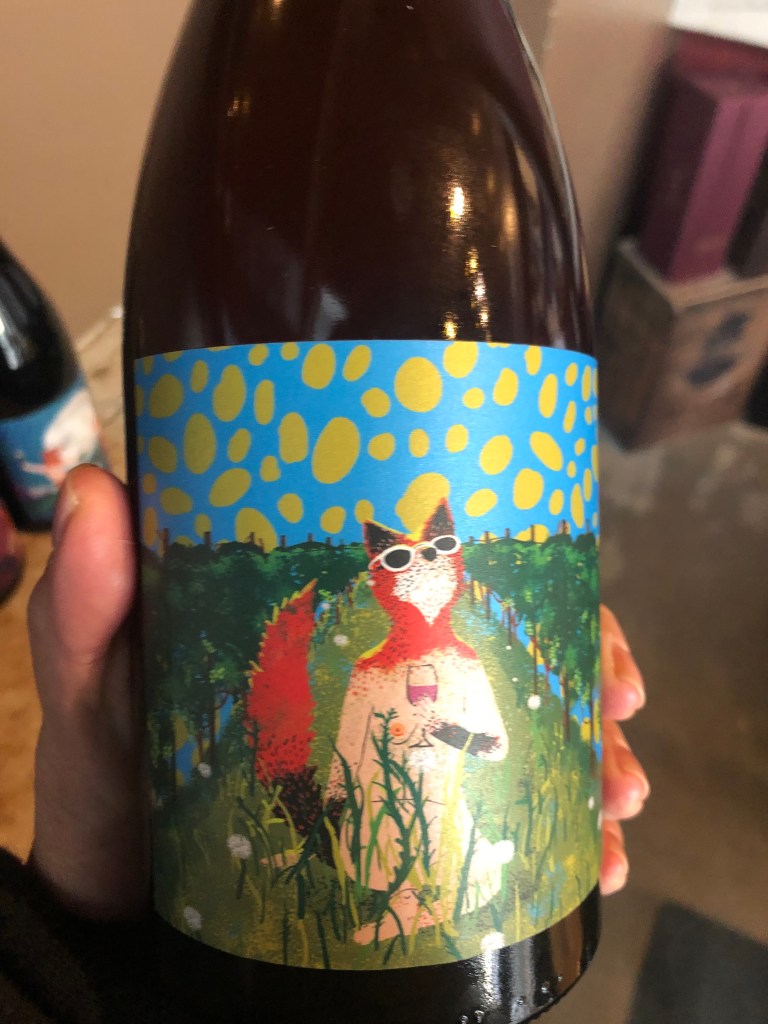
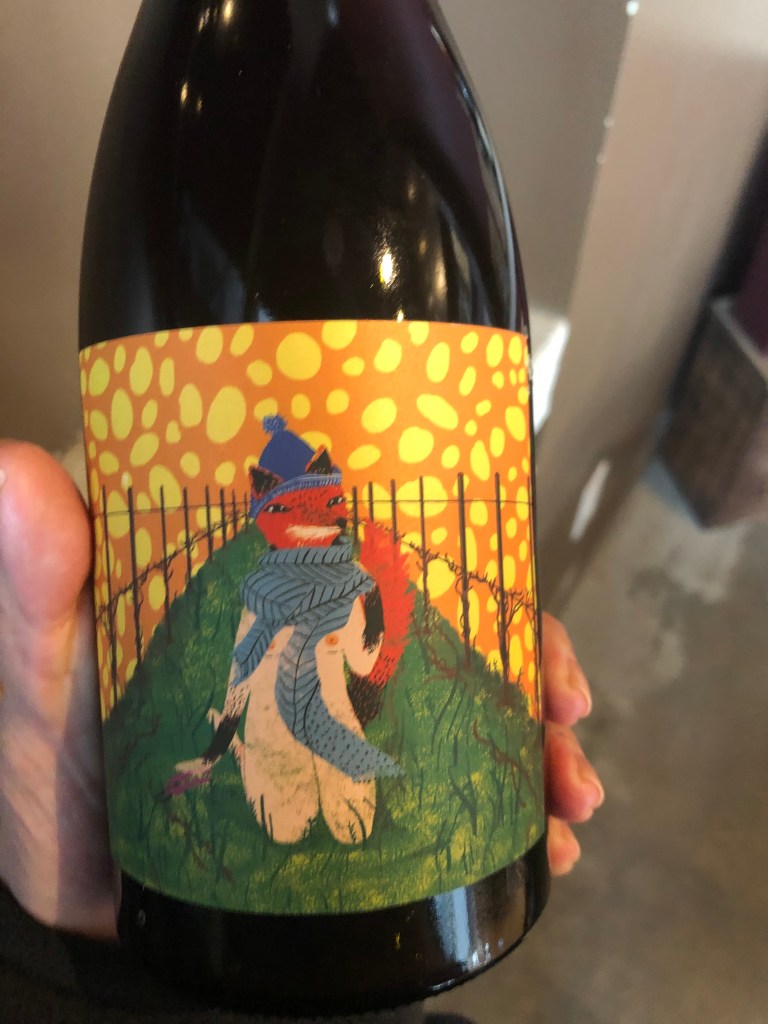
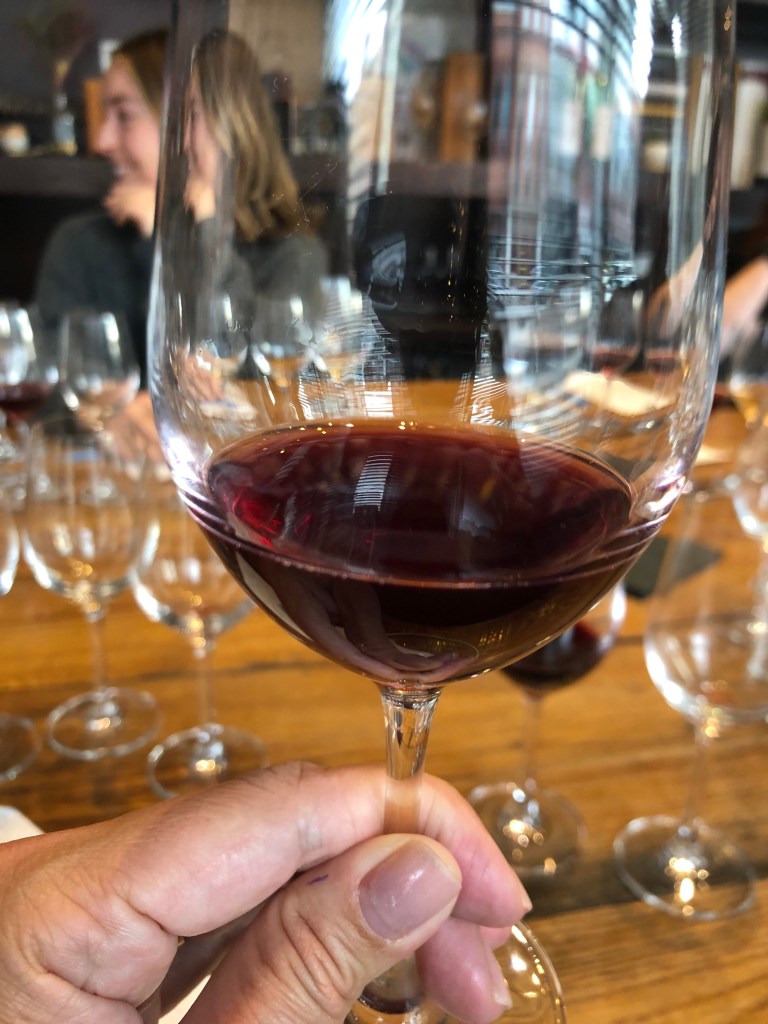
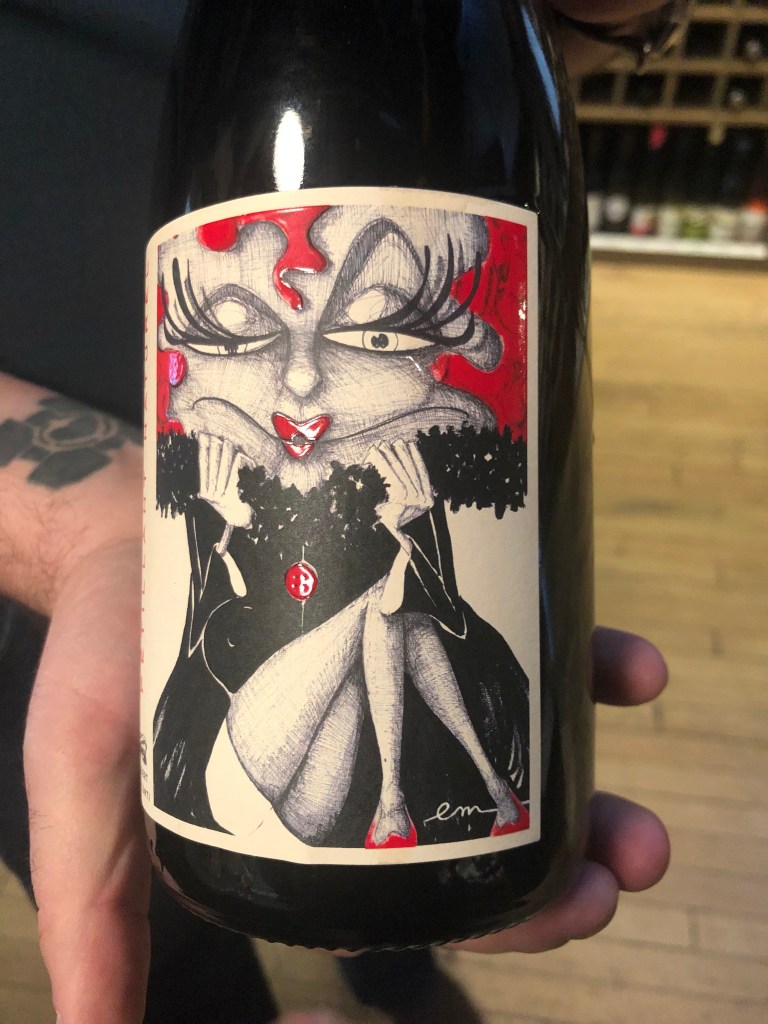
Wine tasting

Minerality? Erik Mercier from Juice Imports

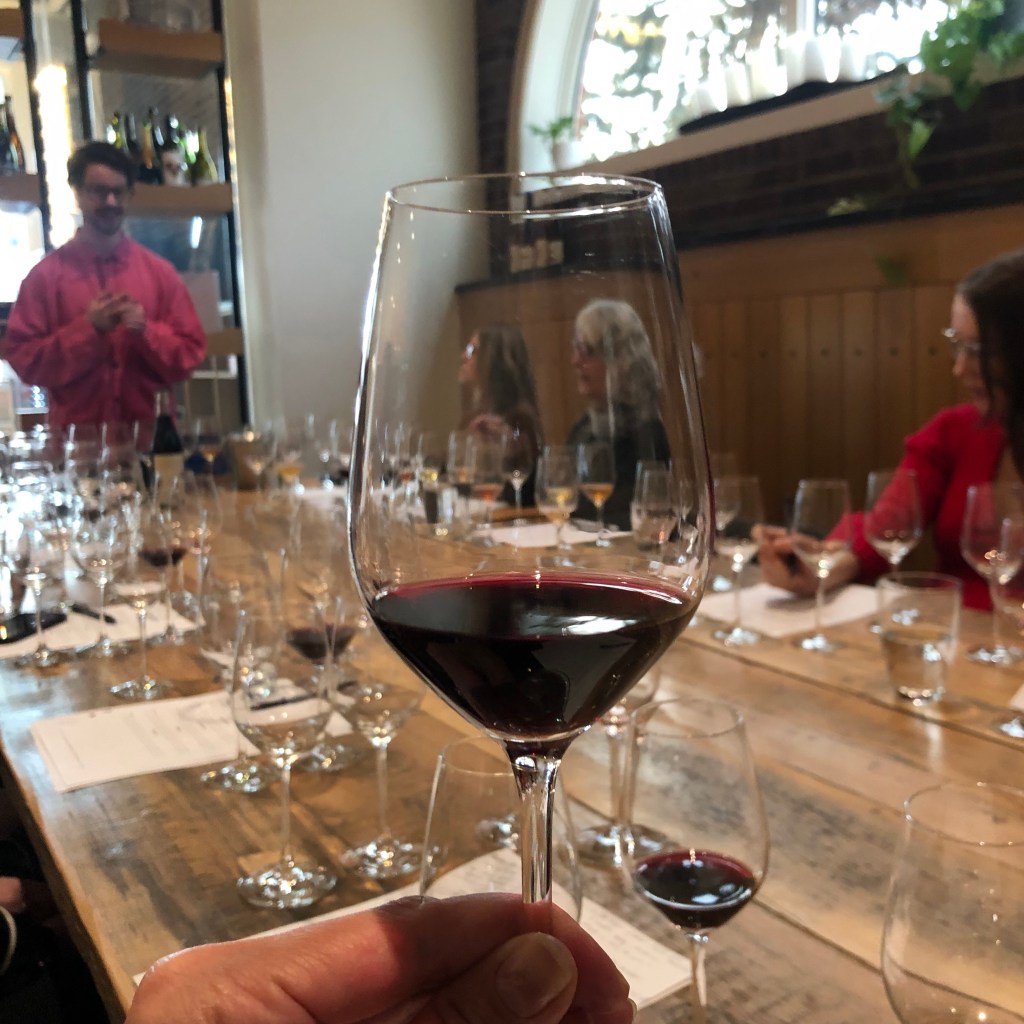
A recent health development has kept me mostly at home over the past few weeks. However, I’ve been punctuating my sad little existence with the occasional jaunt. For example, I prebooked a Vine Arts wine tasting ($50) with Erik Mercier from Juice Imports before I was diagnosed, and I figured going wouldn’t literally kill me, so I went. Let’s listen to ‘Edelweiss’ for this post.

Having attended Juice Import’s tasting for years, I realized early on that the two business partners, Erik and Mark, have a passion so deep for their work that they are willing to host these lovely tastings essentially for free. The only things in life that are free are air and pain. So, not to be dramatic, but I’ll always gladly take in a Juice Import’s tasting. The fee for the tasting goes towards using the space, which Vine Art kindly allows them to use for a minimal cost.
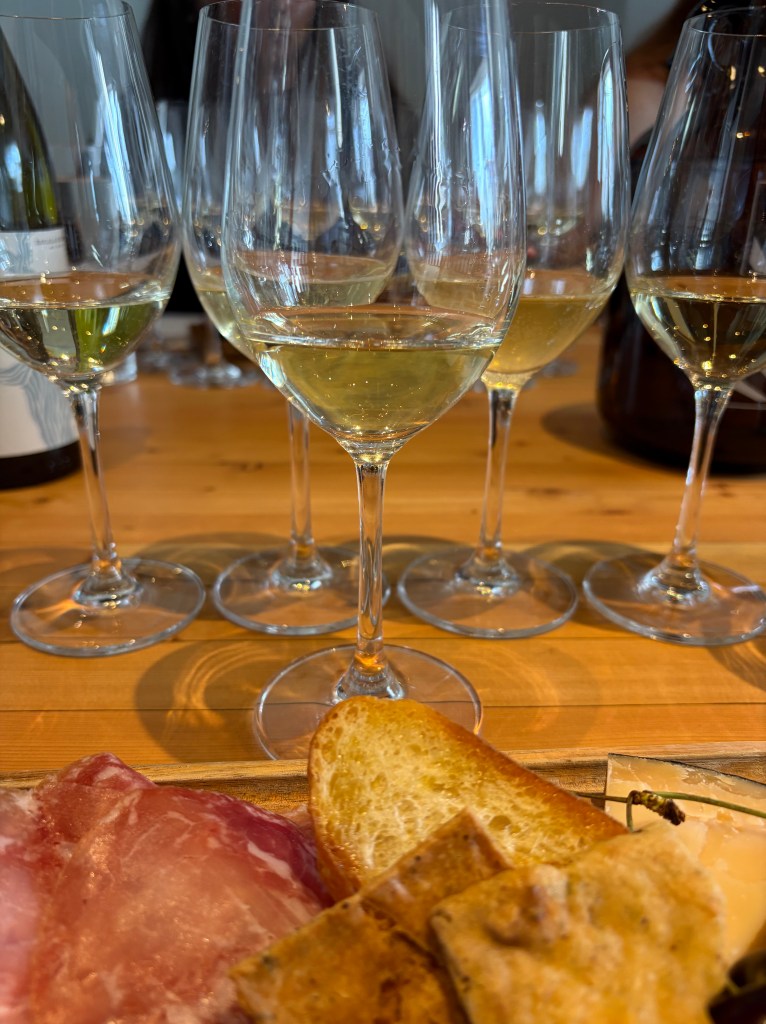
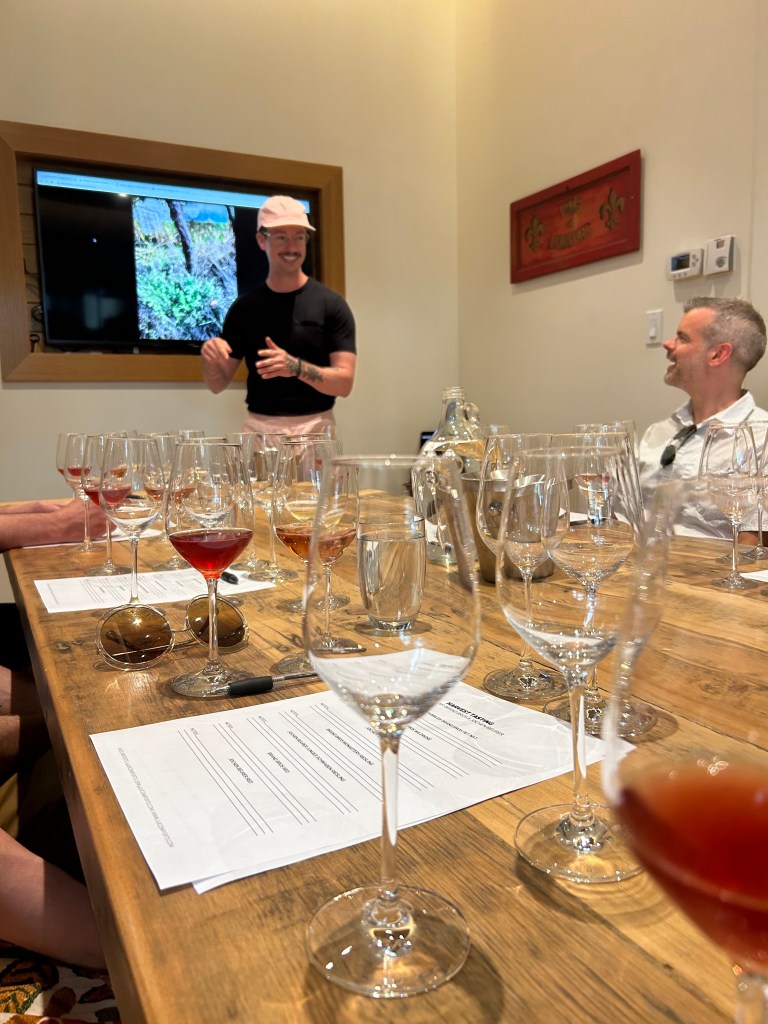
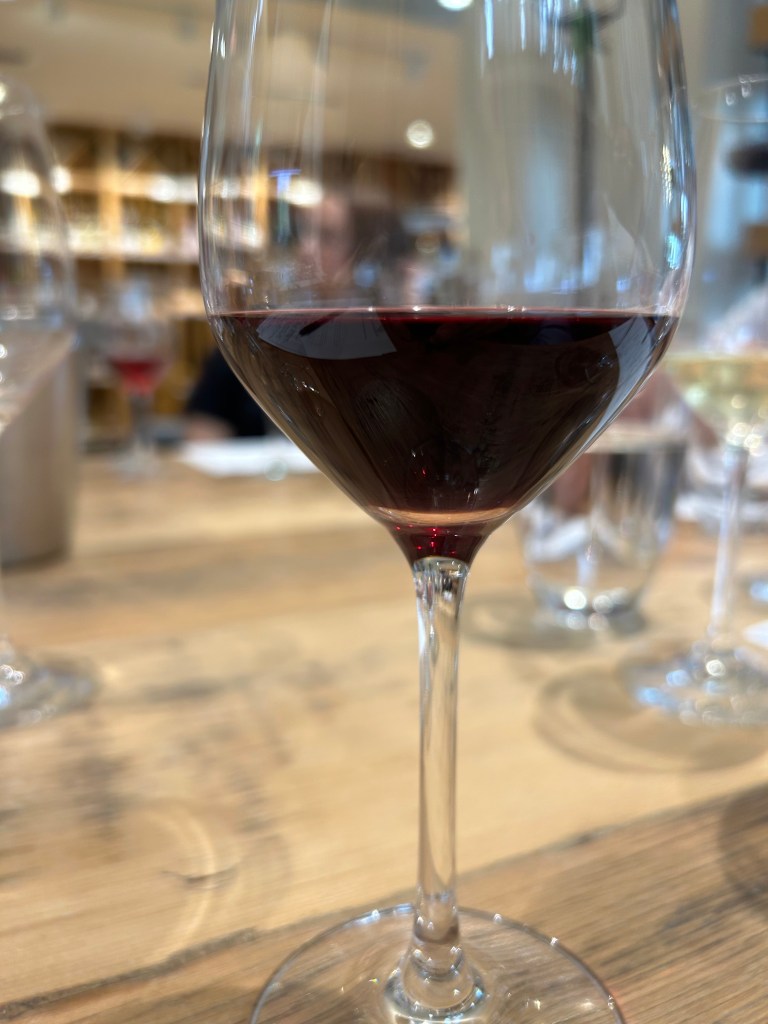
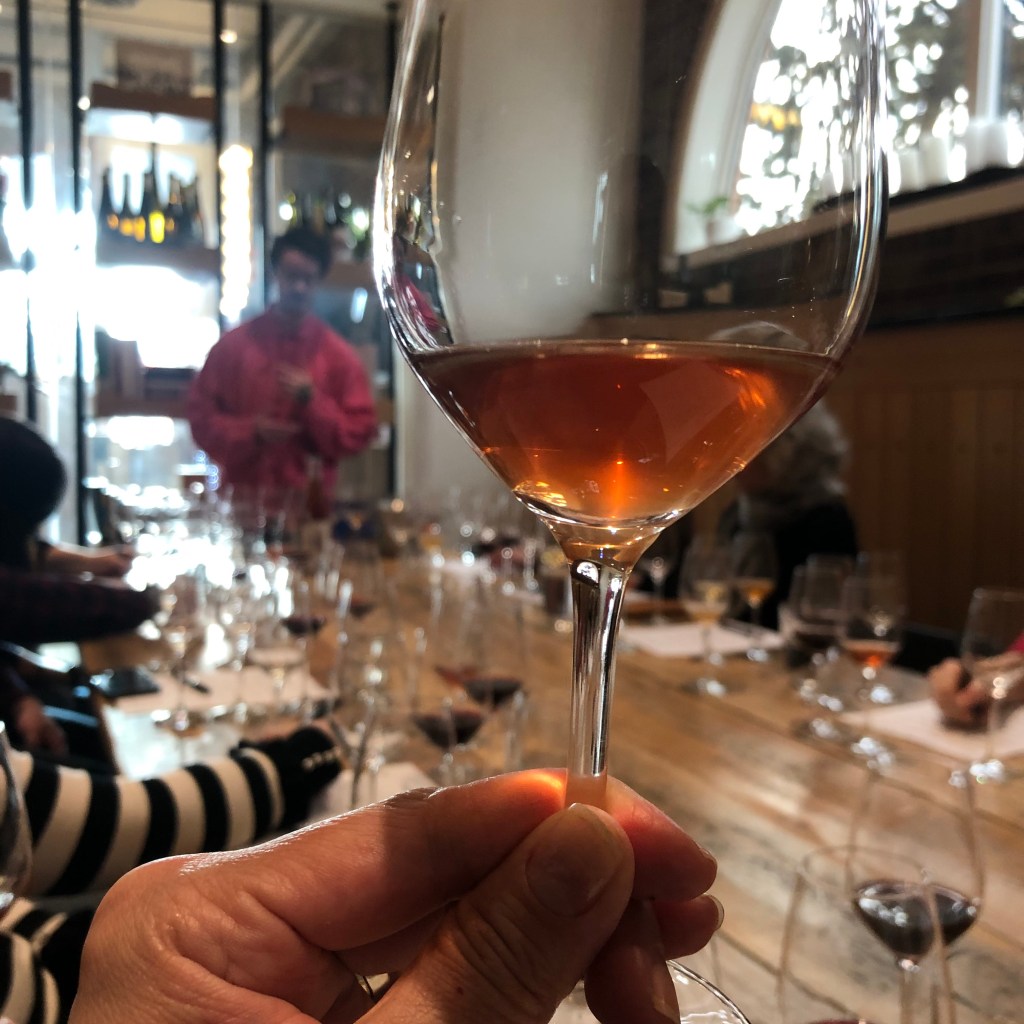
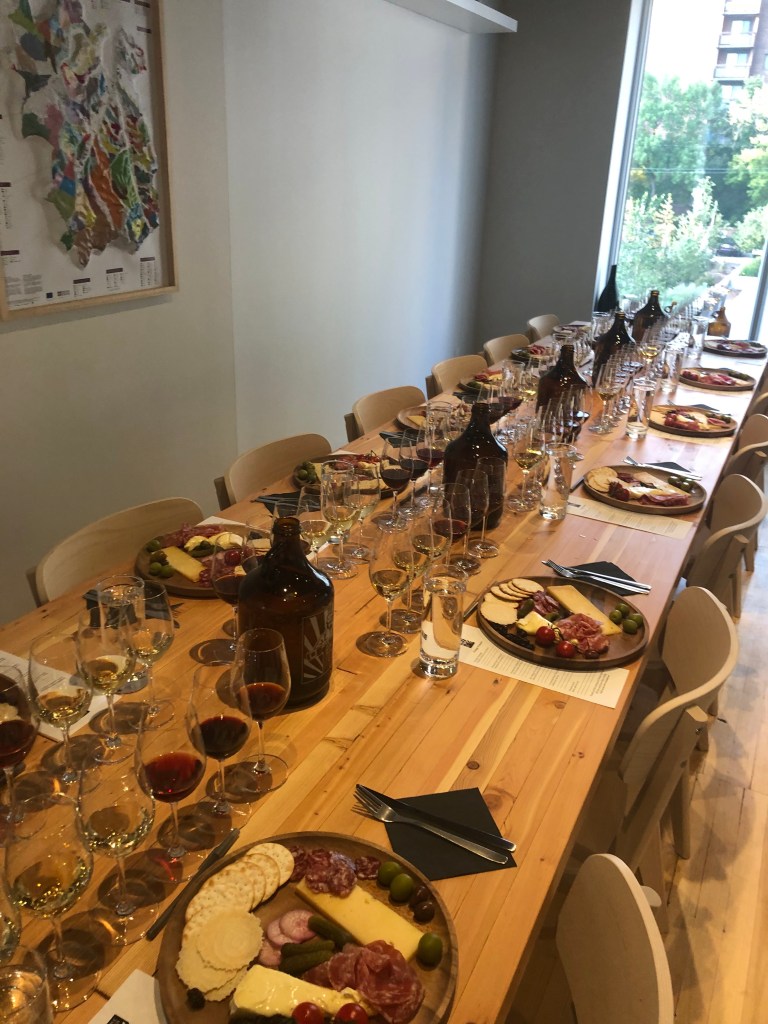
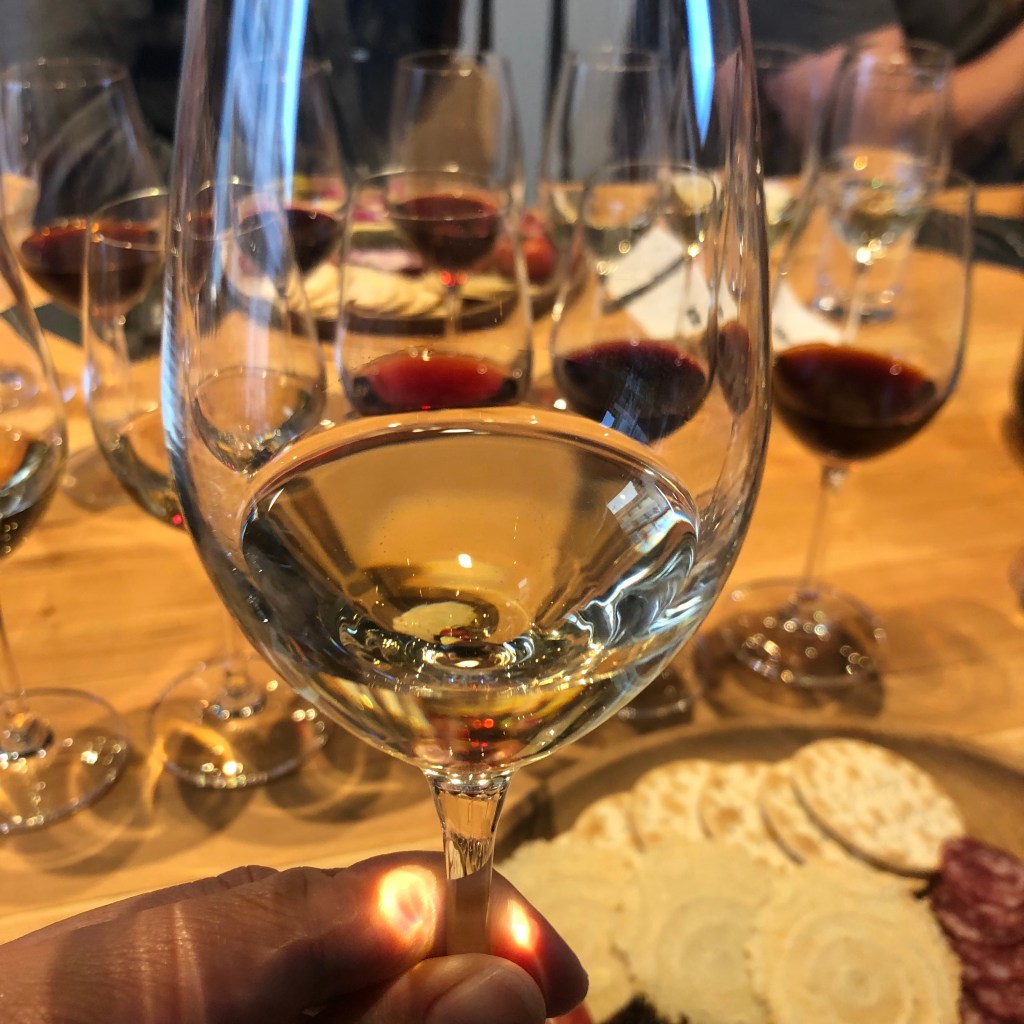
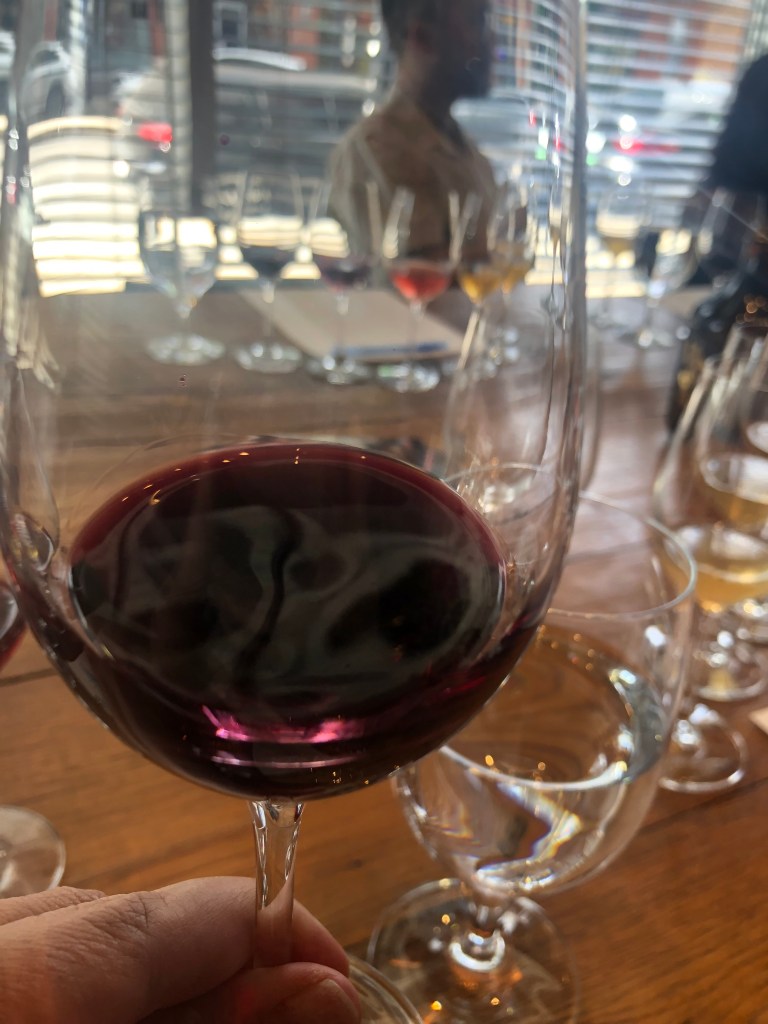
My friend Divine Offering came this time, along with Lululemon. I wanted Divine Offering to meet Erik and Lululemon, as we are all taking a wine tour with Erik and Mark in 2026. We sat in the front of the tasting room, where we soaked in the sun-filled room and the shining variety of white wines, varying in minerality.
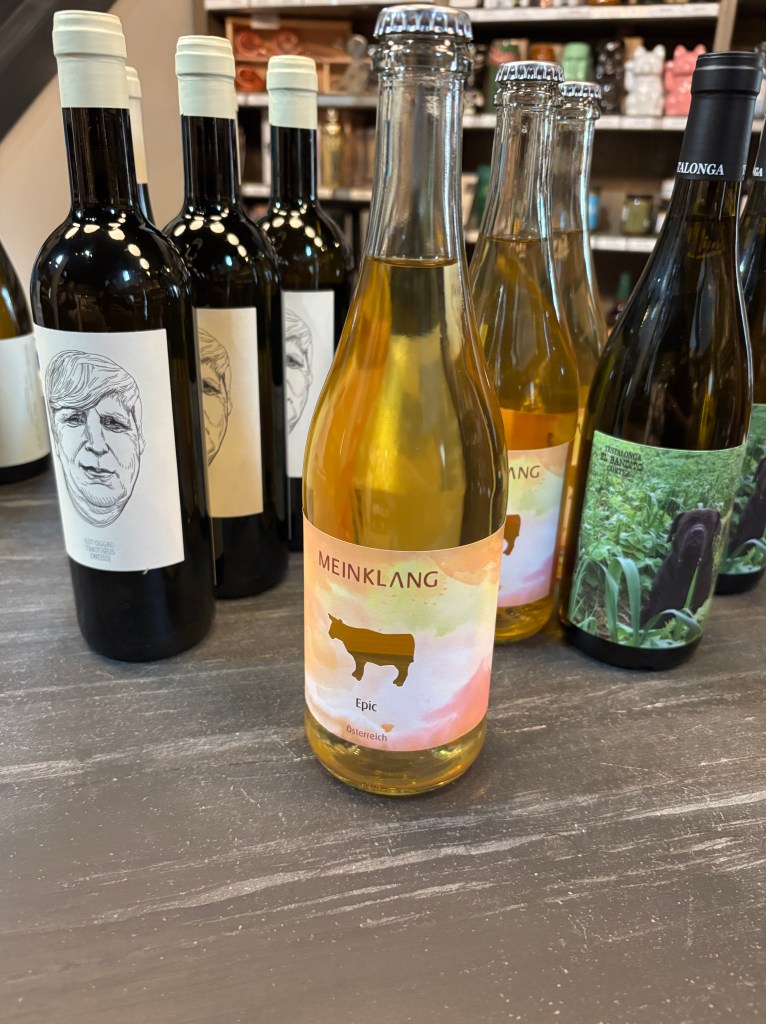
Photo credit: Divine Offering

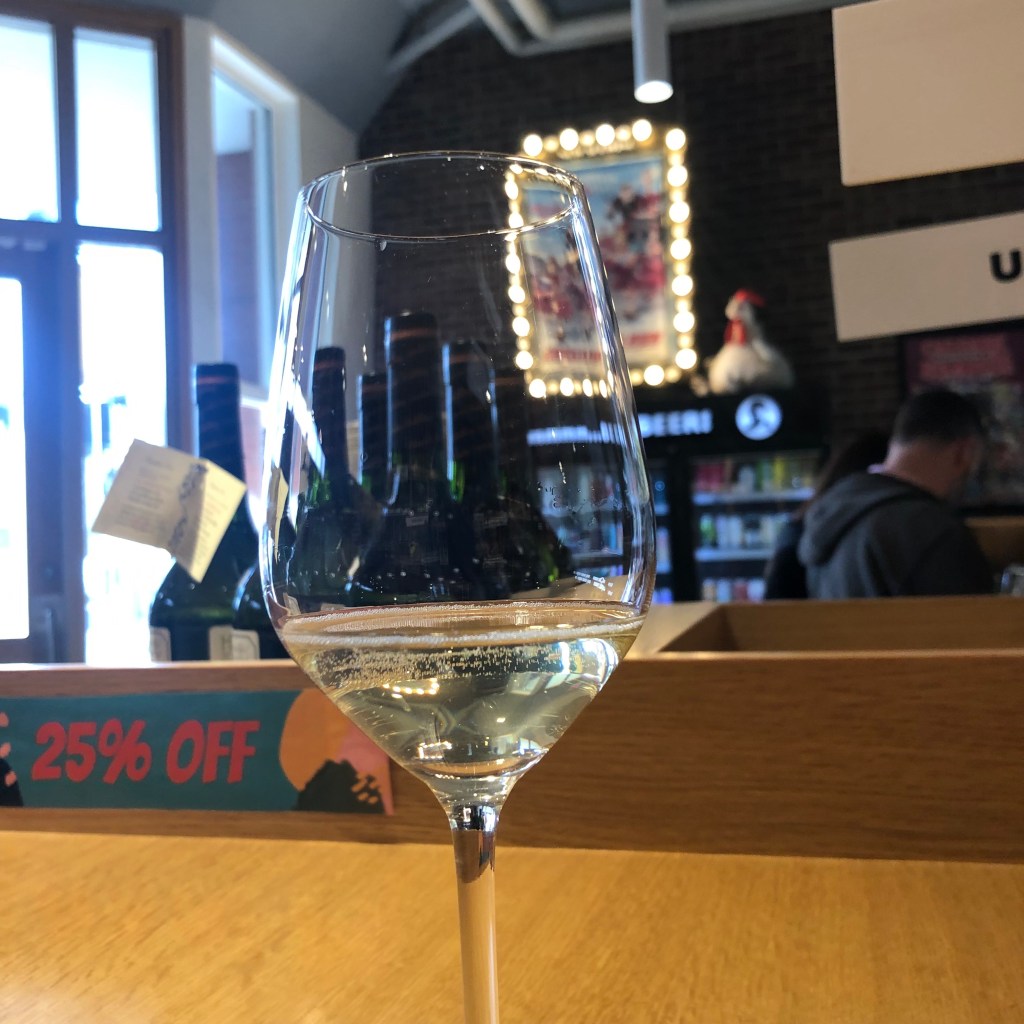
Our welcome bubbles were Meinklang Epic ($29, discount $26). I found this wine refreshing with lovely tiny bubbles. I bought a bottle.
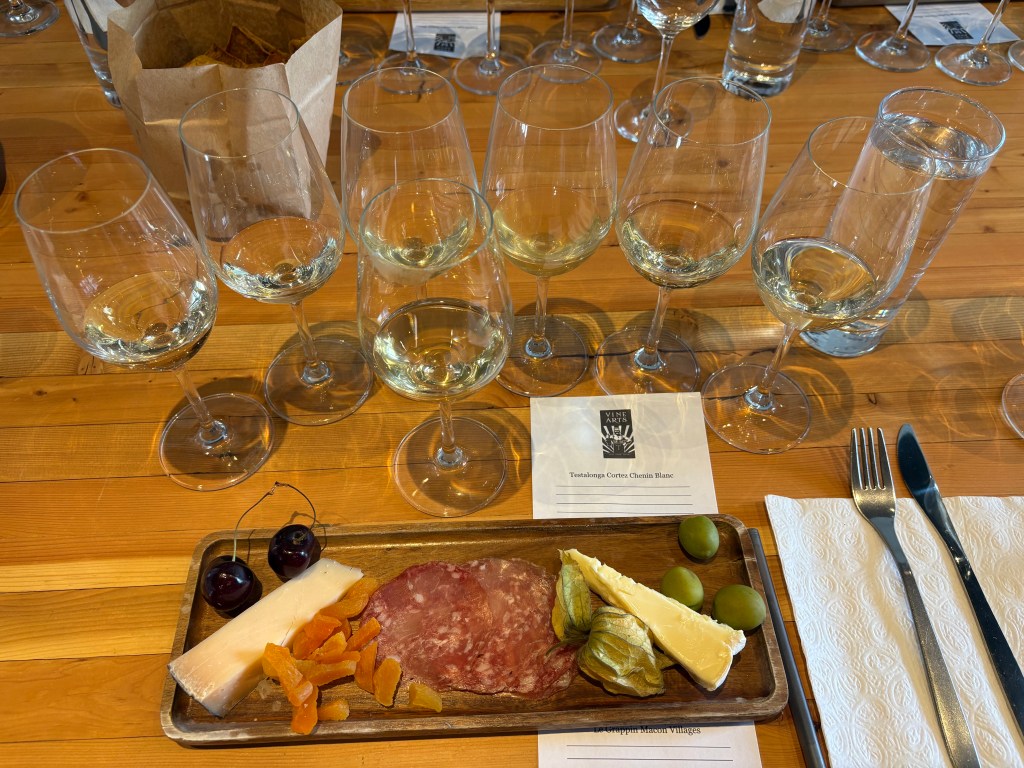
I hadn’t eaten much that day, and oh boy, was that cheese platter delicious. Peasant Cheese always does it right. The brie was soft and gooey, even better when paired with various crackers and dried apricots. The hard cheese was buttery yet creamy. And those big, fat, sweet red cherries tasted like it was just been plucked from a tree in the Okanogan.
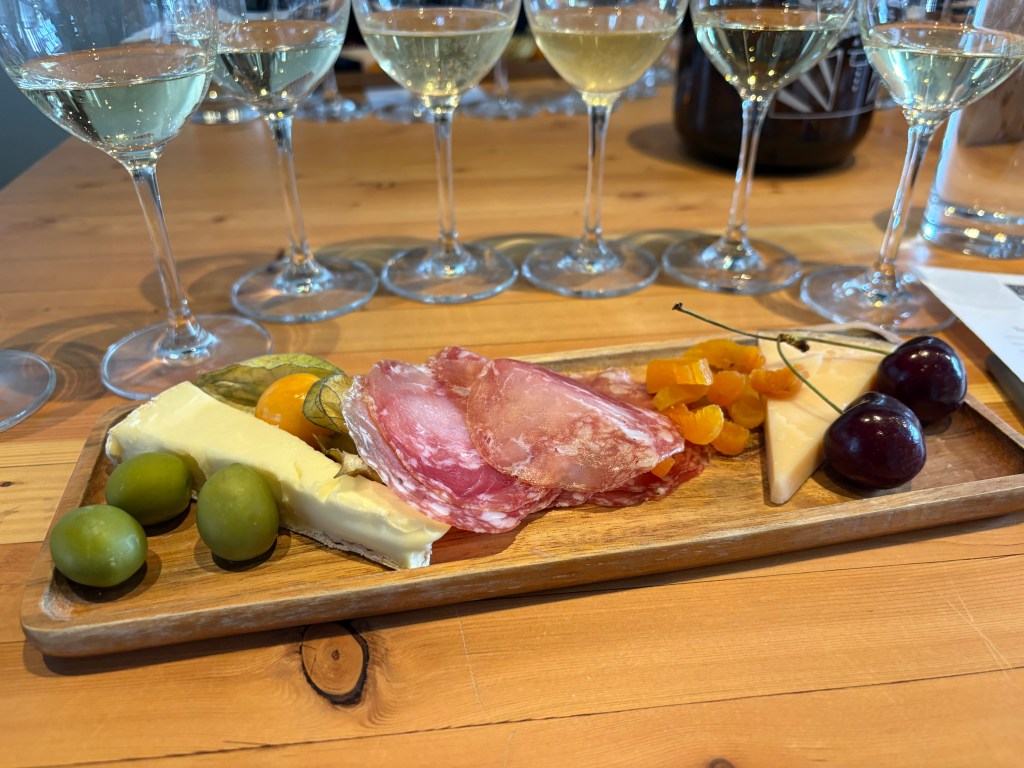
The first wine was Testalong Cortez Chenin Blanc ($57). Testalong is one of the top three wineries in South Africa. Grown on decomposed granite with quartz and silica, Erik observed the stony characteristics. I find it challenging to describe minerality because I haven’t had much experience tasting things like stone or flint. Erik explained that flavours in wine that aren’t fruity, floral, or spicy are often considered mineral notes.
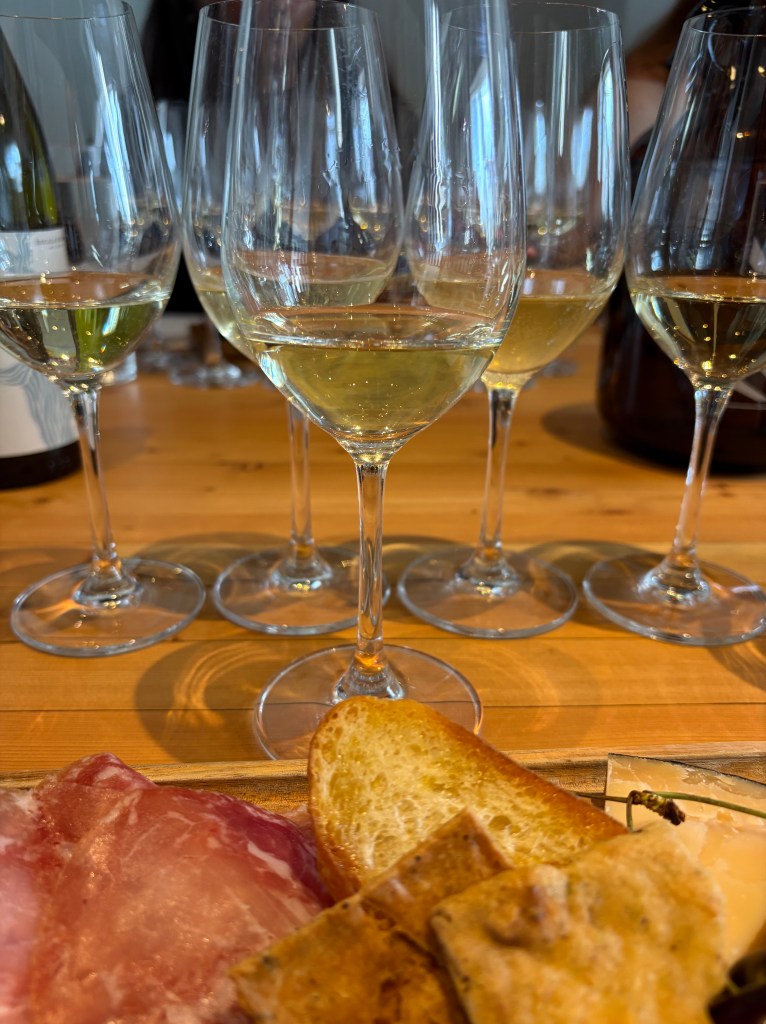
We compared Testalong Cortez with Escala Humana Chenin Blanc ($37.50), a wine from Argentina. Erik described this wine as fruity, with floral notes and citrus aromas. Lululemon liked this wine a lot. Divine Offering mentioned it complemented the fruit on her plate. Both purchased a bottle.
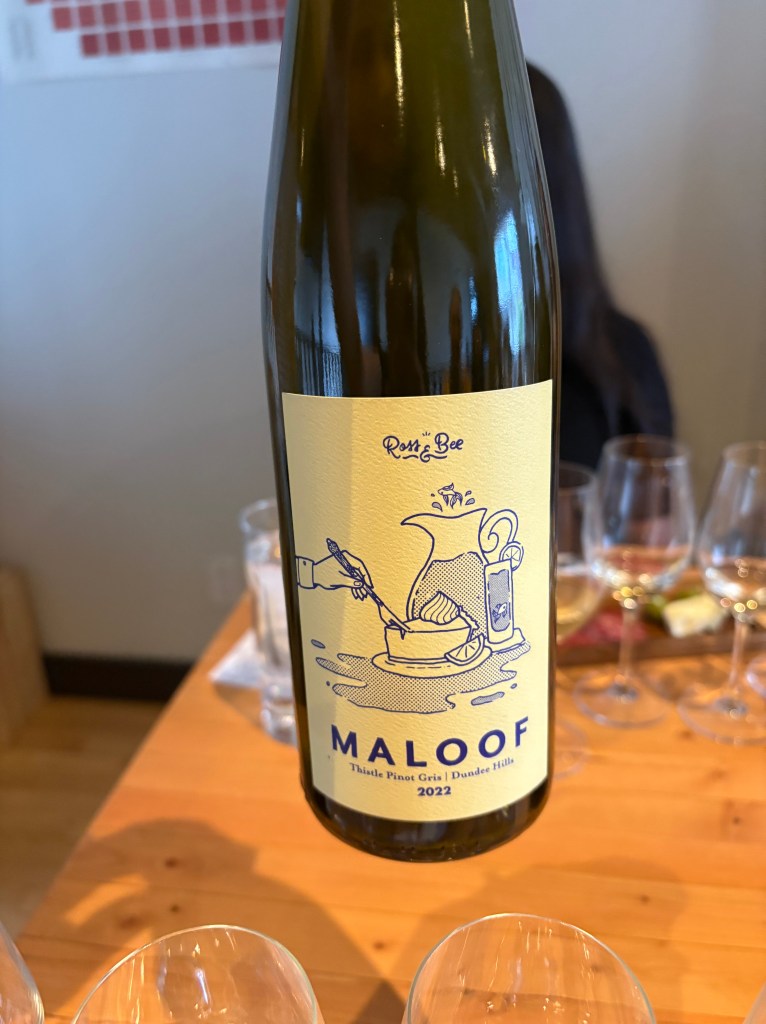
The Maloof Thistle Pinot Gris ($40, discount $36) was just right for me. Erik could taste both spices, such as cinnamon and cardamom, as well as the iced tea and lemon. The grapes grow on ‘Jory soil’, found in Oregon. The soil is volcanic, which is considered ideal for growing Pinot Noir grapes. I picked up a bottle for my in-laws, Turned and Dave.
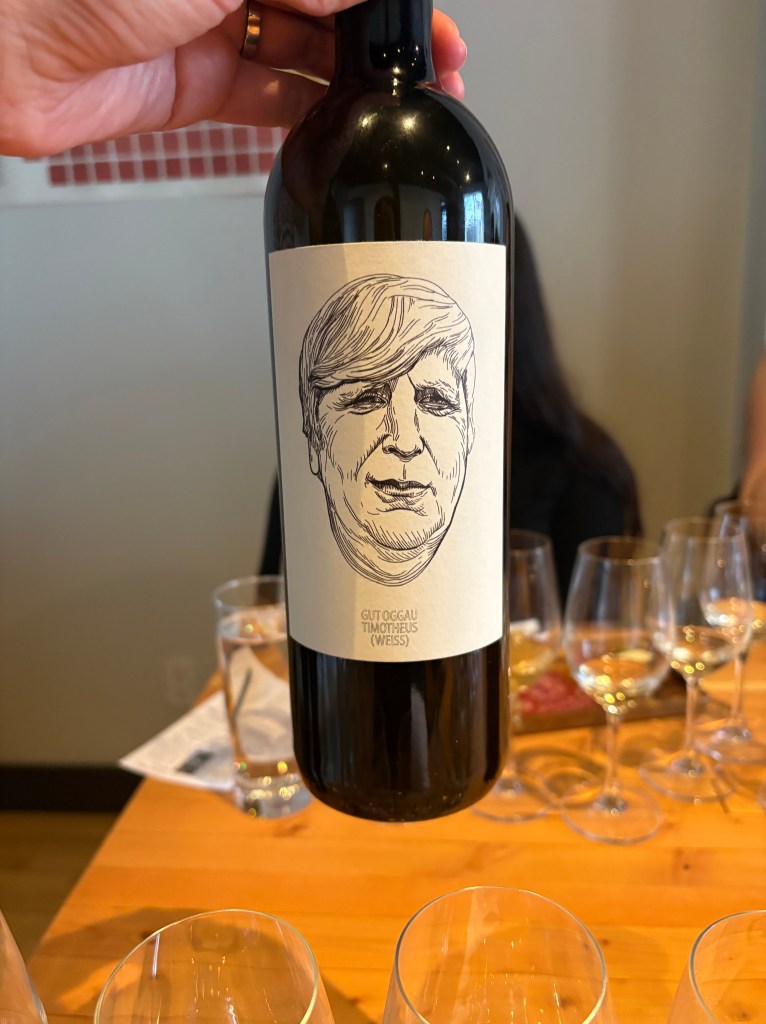
The fourth wine was a real goodie, Gut Oggau Timotheus ($80). I love Gut wines, but I have what you call a beer budget, so I just sat and enjoyed experiencing the Juicy Fruit-like flavour. Erik mentioned the winery has a cult status in New York and Paris, and is served at Noma, a three-Michelin-star restaurant in Copenhagen. There’s actually a whole page dedicated to Gut wines.
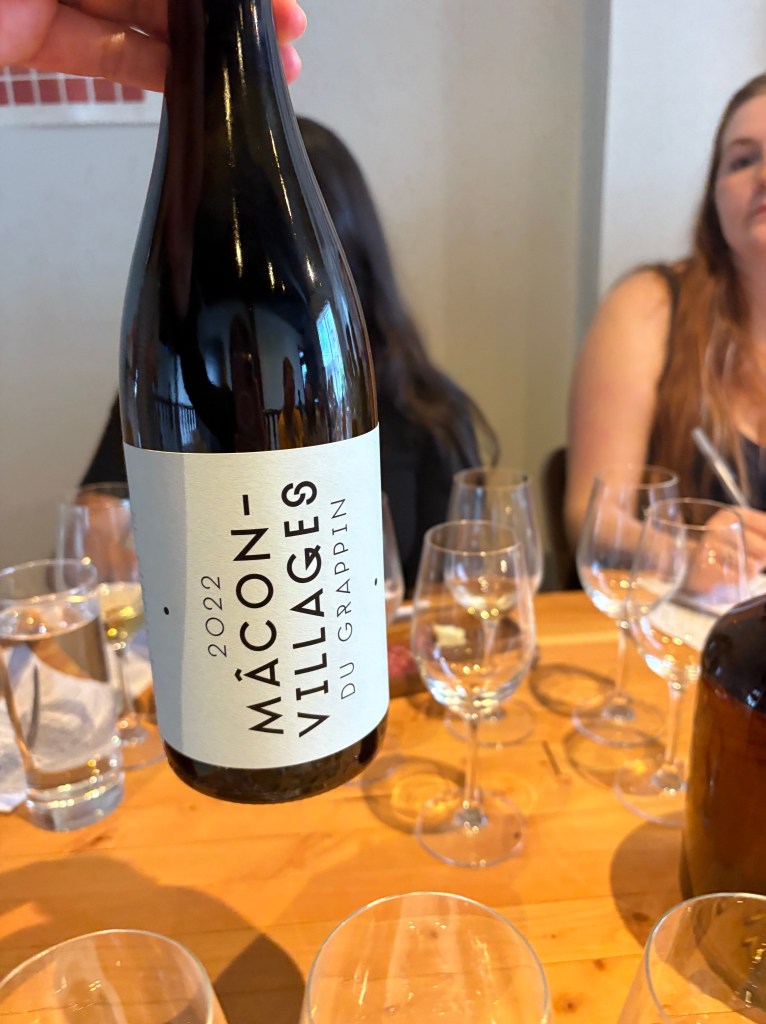
The fourth wine we tasted was Le Grappin Macon Villages ($50). The smell was lovely. Erik noted that this was a white burgundy, an excellent value for such a bright and fresh wine. I had trouble describing what I could taste.
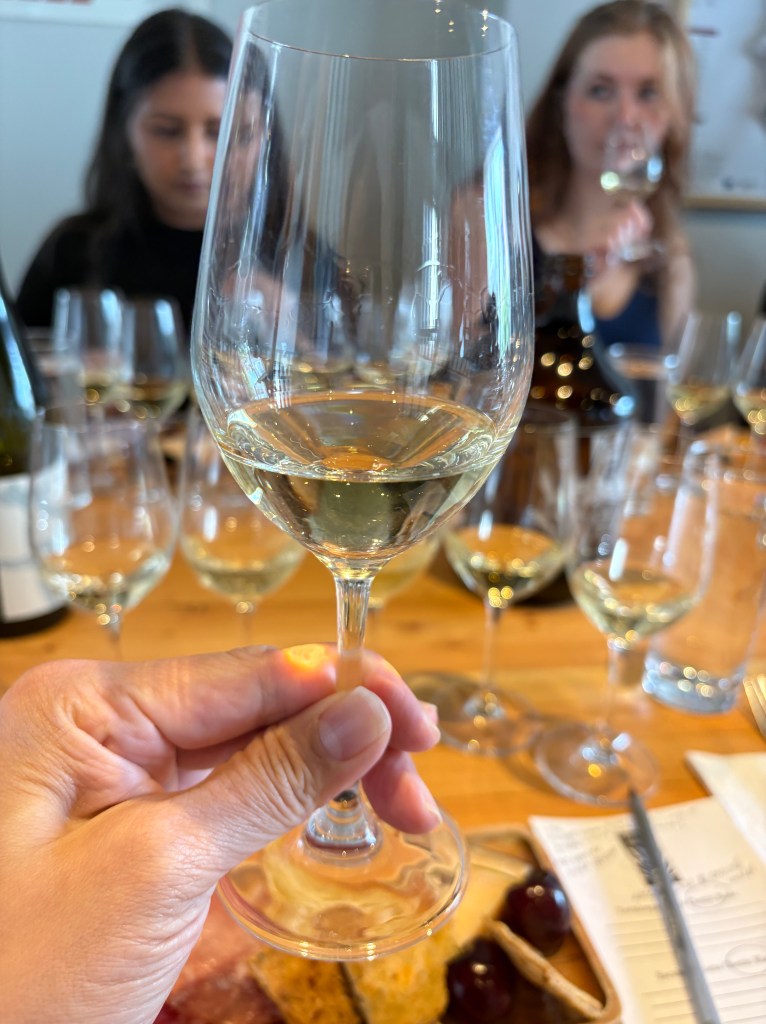
Erik mentioned that the winery farms its grapes with great intensity. Someone at the table asked what that meant, and he explained that when you grow fewer grapes, it gets more attention. He said to think of growing one ton of grapes versus ten tons on the same plot of land. When there are more grapes, they compete for nutrients, which can dilute their concentration of sugar and alcohol.

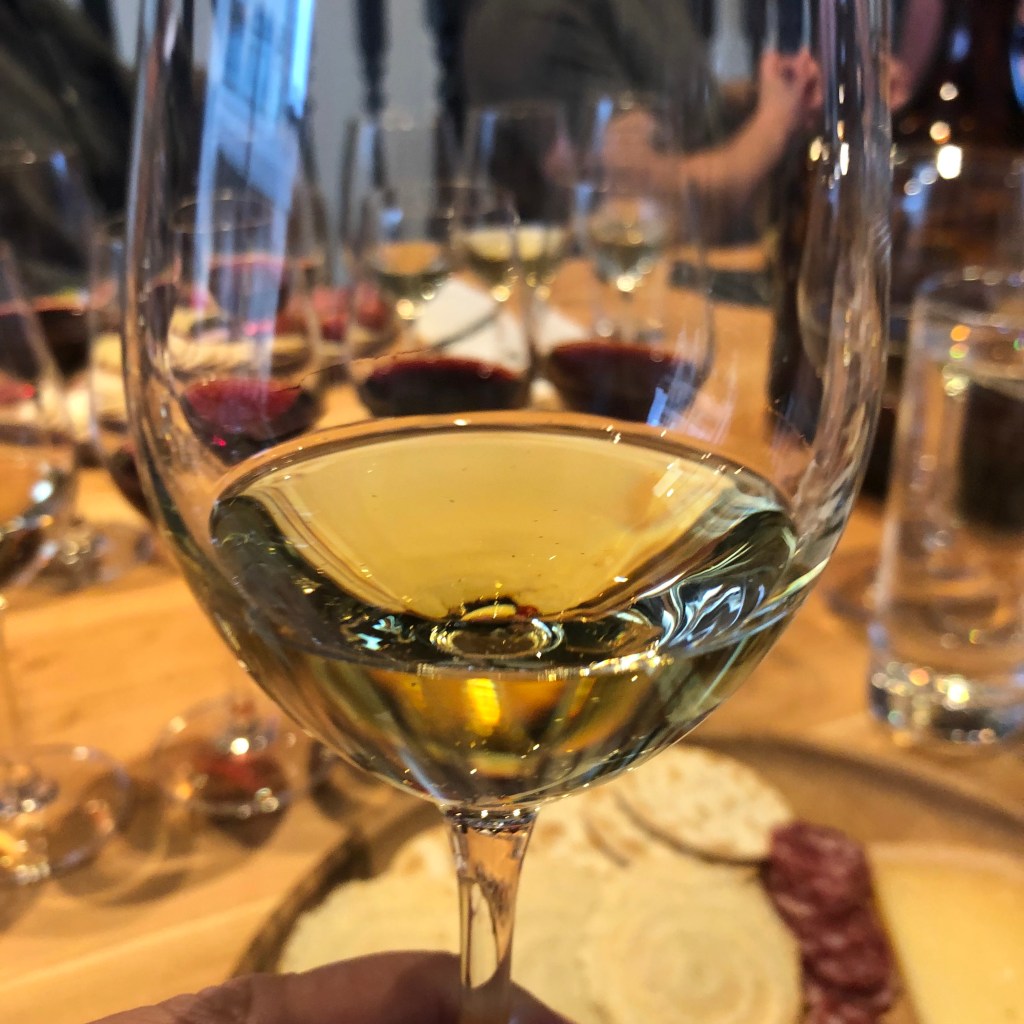
My favourite bottle just so happened to be Marnes Blanches Savignin Les Molates ($62, discounted to $55). Domaine Des Marnes Blanches is the first winery I fell in love with from Juice Import’s portfolio. The trick I learned at home, however, is to pair the wine with cheese. For some reason, it tastes so much better.
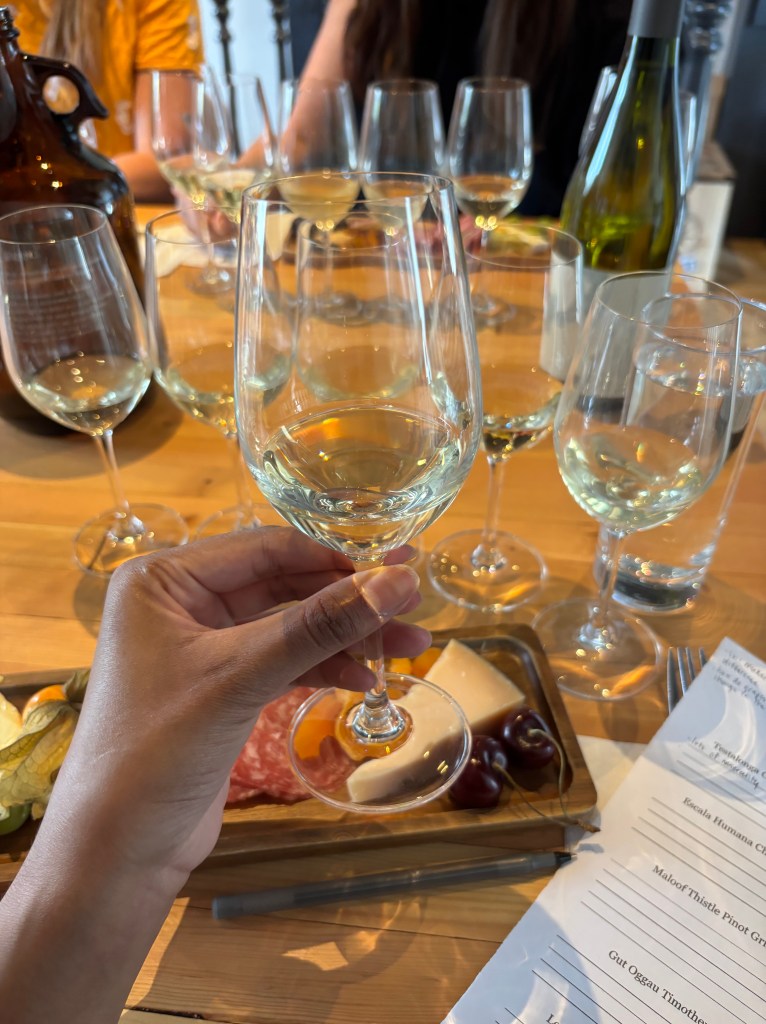
Photo credit: Divine Offering

I smelled brown sugar. Erik mentioned this wine could be aged for 30 years. I couldn’t muffle my snicker in time. I’m not waiting three decades to drink a nice bottle of wine. Erik suggested pairing this wine with Comte cheese. He sniffed and sipped, tasting spicy, peppery, green tea and tropical fruit. Lululemon mentioned the Savignin les Molates reminded her of lasagna. Yes, I could see it. Divine Offering found it creamy, sweet, yet herbal and smooth. Lululemon, Divine Offering, and I bought a bottle.
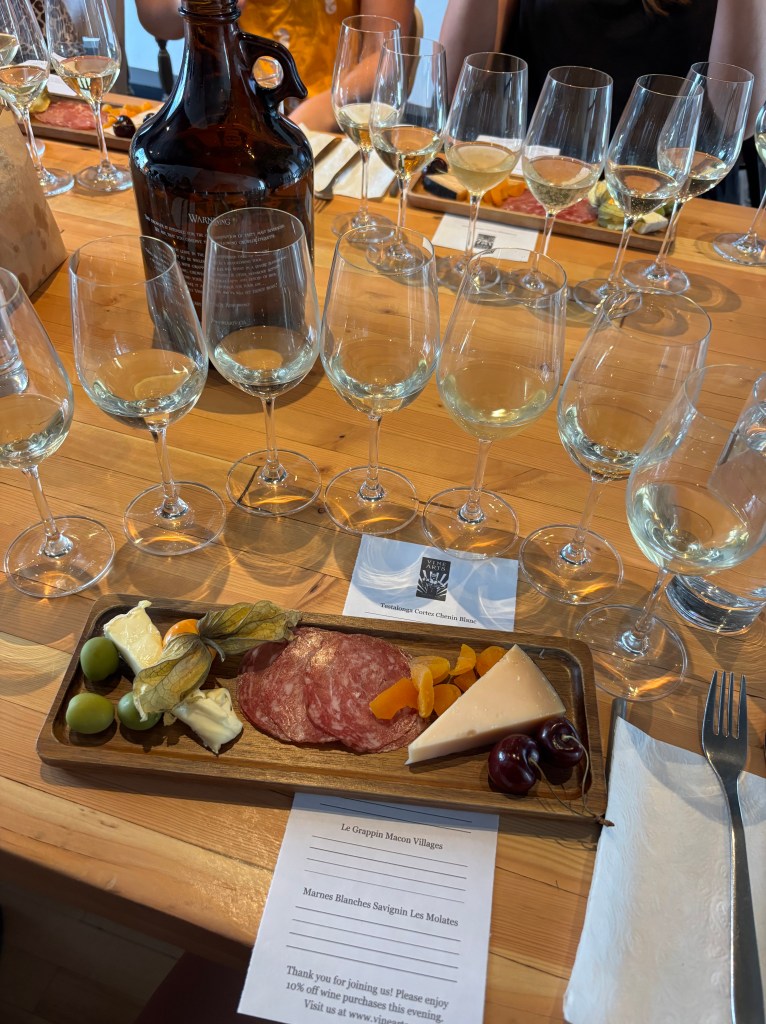
Photo credit: Divine Offering

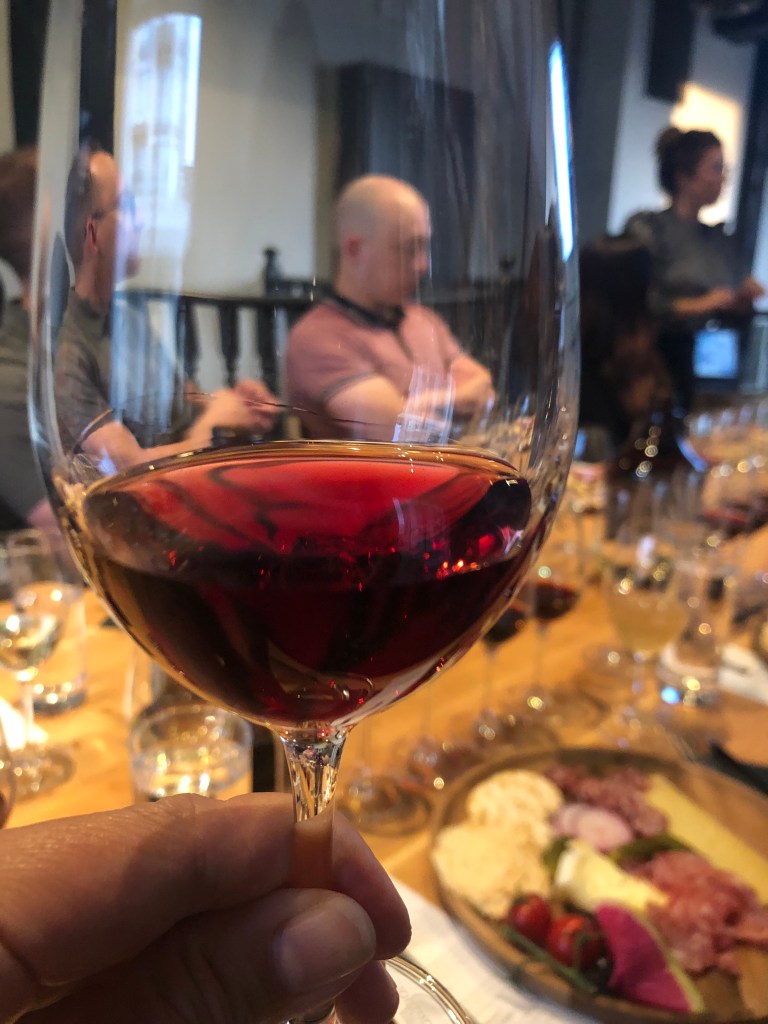
I asked if wines with minerality are less approachable to novice wine drinkers because it’s harder to describe what they taste. Erik disagreed, saying a novice drinker can’t tell the difference, as it takes a lot of practice. People aren’t naturally good at tasting notes in wine. He says that, in comparison, semi-knowledgeable drinkers are worse than novice drinkers, as they get in their heads a little knowledge and become resistant to trying certain wines. For example, those who claim they dislike sweet wines, such as Riesling, are missing out, as many are delicious and highly regarded by both wine experts and novices.
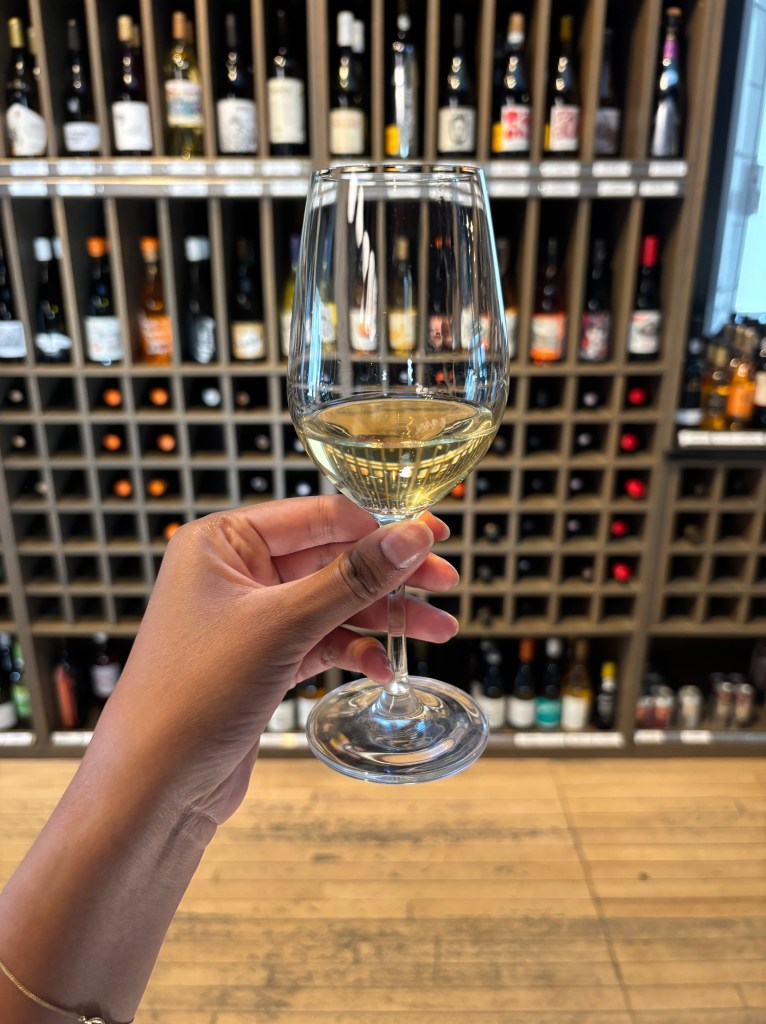
Photo credit: Divine Offering

Another guest asked about the best places to drink wine in Paris and New York. I tuned out because I didn’t find it relevant in my near future. I perked up when Erik mentioned that Class Clown in Calgary has an incredible natural wine selection at bargain prices, just a few dollars above retail price.

I mentioned the Ship and Anchor has an inexpensive wine list, with several bottles from Juice Imports. Erik confirmed, but noted that his business partner had drunk all of the Ship’s champagne because it was priced so cheaply. Erik recommended Missy This That for the best wine selection.

On August 14, Juice Imports and Salt and Brick are hosting an intimate dinner featuring a rare selection of Burgundy wines ($350). I was very tempted, but since I can’t eat much, I figured it would be wasted on me. However, if you are interested, you might still be able to get a ticket.

Bars/Lounges · Beer · Burgers · Restaurants

Class Clown and Juice Imports Collaboration

Juice Imports and Class Clown hosted a unique lineup on Sunday night: hot honey butter cornflake-crusted chicken burgers, corn pop ice cream, and six new natural wines by the glass. I coaxed my friend Divine Offering to come out, as she’s a fan of both businesses. Let’s listen to “Who’s That Girl” by Eve.

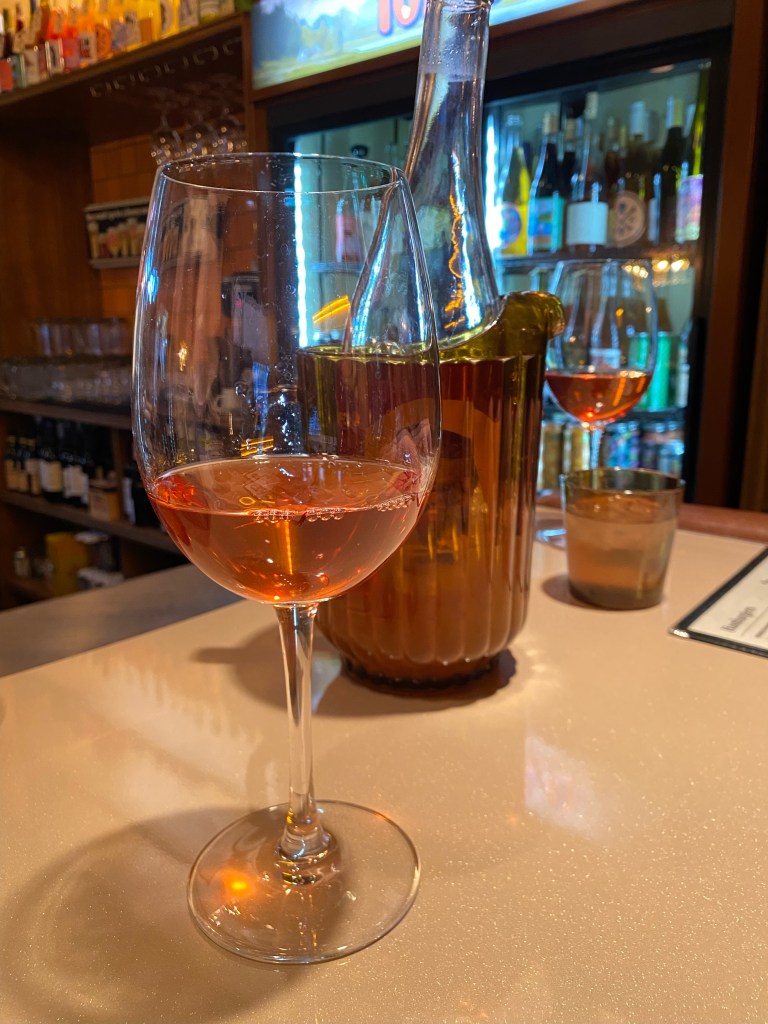
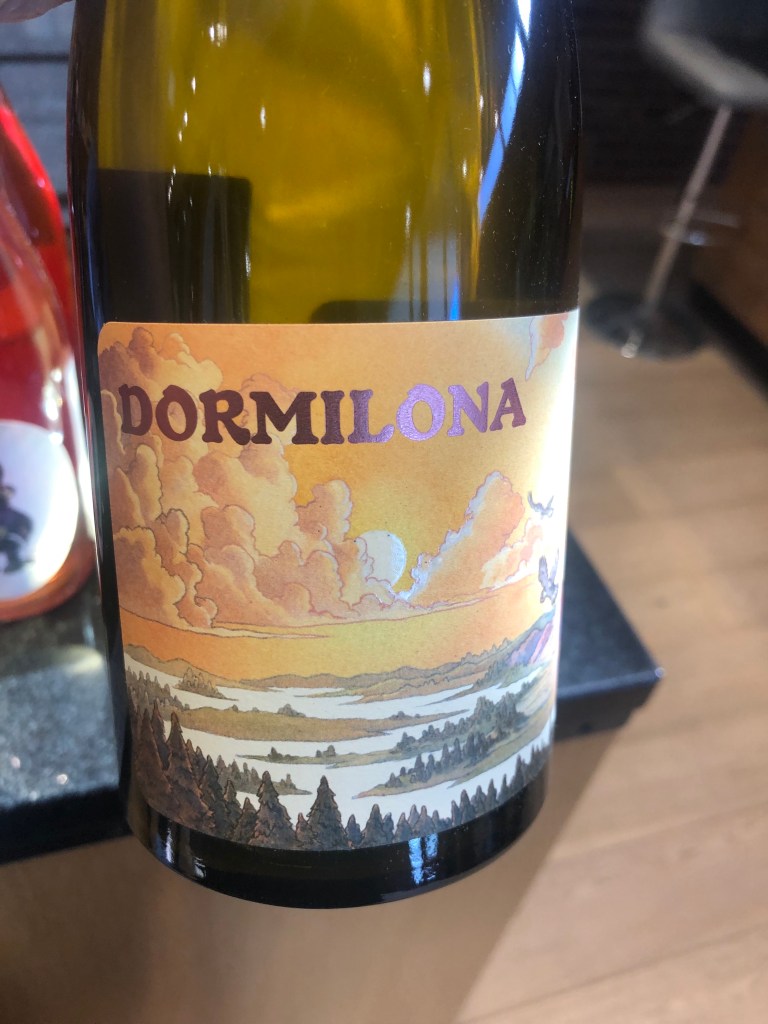
Erik suggested we try Yokel Rose ($65), made by Josephine Perry, winemaker and proprietor of Dormilona Winery. He informed us that the winery’s mascot is the Western Swamp Tortoise, Australia’s most endangered reptile. Dormilona donates a portion of its sales to the Friends of the Western Swamp Tortoise, an organization that relocates tortoises, restores their habitat, and funds research and projects such as the breeding program at Perth Zoo. Divine Offering noted that she hadn’t tried many rosés and found this one sweet and sour. We both tasted strawberries and lip-smacking yumminess.

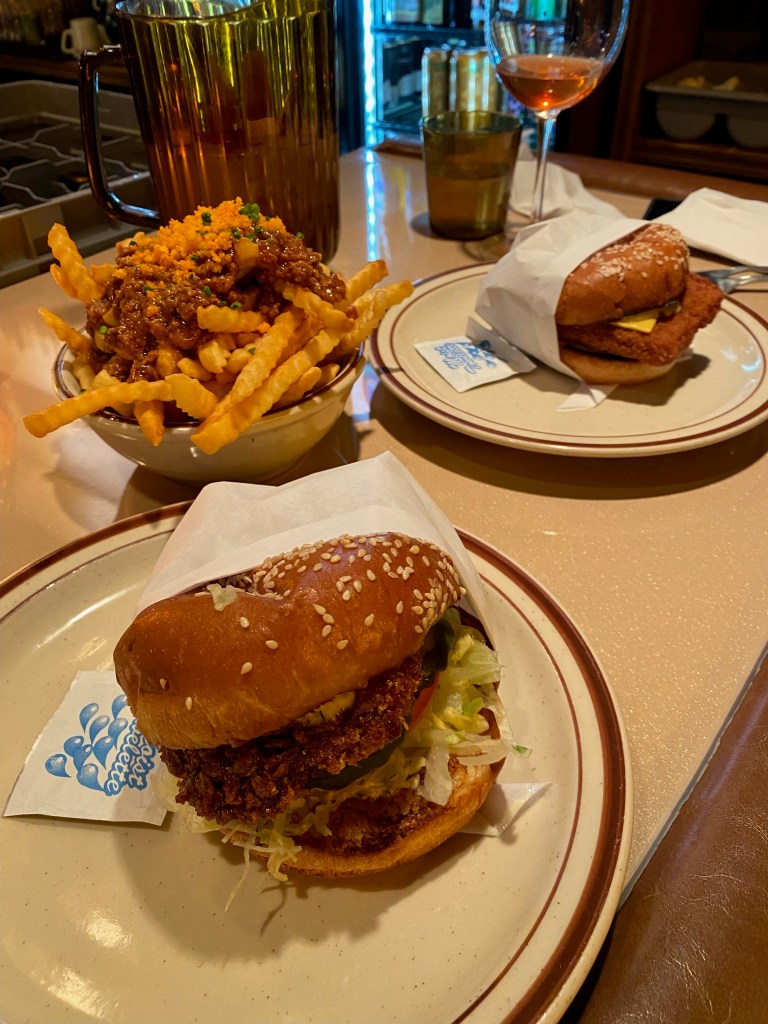
She tried the night’s feature, Hot Honey Cornflake Crusted Chicken Burger ($15). She liked it even more than the Schezwannabe burger on the regular menu and Hi5’s version at First Street Market. She mentioned the sweetness from the honey stood out. I tried a bite and enjoyed the crunch and flavour from the butter, hot heat and honey. Divine Offering loved this burger so much she wished it was on the regular menu.

I wanted something simple, so I opted for the Phil A. O’Fish ($12.50). The burger reminded me of McDonald’s filet of fish, but a million times better. The cod was large and flaky. The grilled bun was buttered and squishy and held up to the crispy fish, gently sauced up with tartar sauce, melted cheese, and pickles.

We shared the Coney Fries ($8), which we prefer over the Super Fries we tried on our last visit. I like the beefy sweetness of the coney sauce; it reminds me of the meat pasta my mother made when we were kids.

For dessert, she tried Corn Pop Ice Cream ($7), and I tried a glass of the Meinklang Epic ($14). Damn, this was a lovely sparkling wine, dry and floral with tiny bubbles. I would get this wine again.

When I posted a picture from the night, my Instagram connection, Dannitrann, told me she was there too and thought she saw me. I saw her too but didn’t recognize her because my eyesight isn’t the best. I recognized her from her old Yelp posts, which I loved reading. She’s a good writer, and more importantly, she finds the best eats in the city.

I ordered a California Classic ($12.75) for Chew Steel, and he enjoyed it, stating it was one of the best burgers in the city. I mentioned it was only a dollar more than our favourite fast-food burger, Dave’s Double Cheeseburger. It’s safe to say we aren’t going to Wendy’s anymore for our cheeseburger fix. Thanks, Divine Offering, for the lovely company and for trying new wines with me.

Wine tasting

Juice Imports – I only drink reds

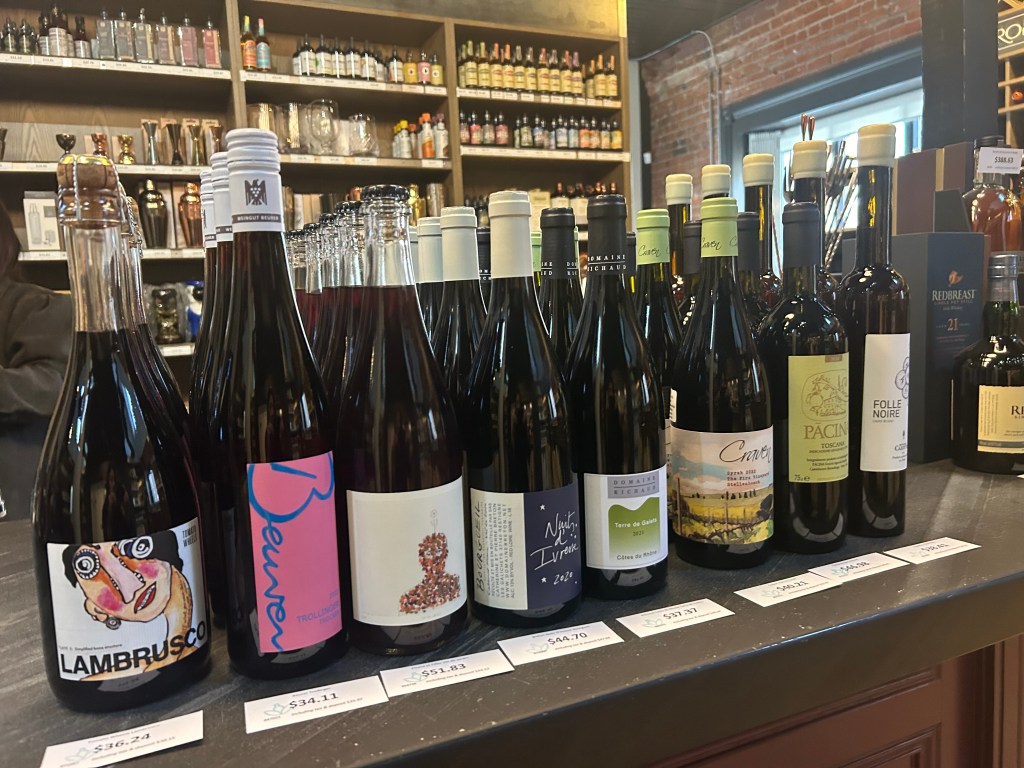
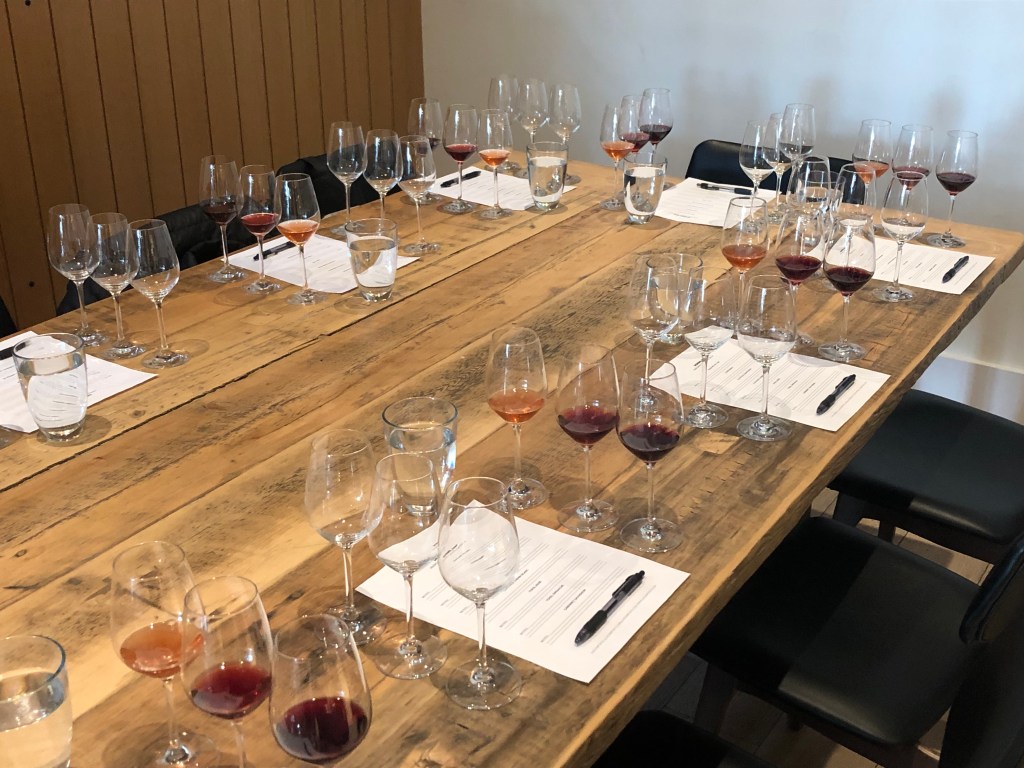
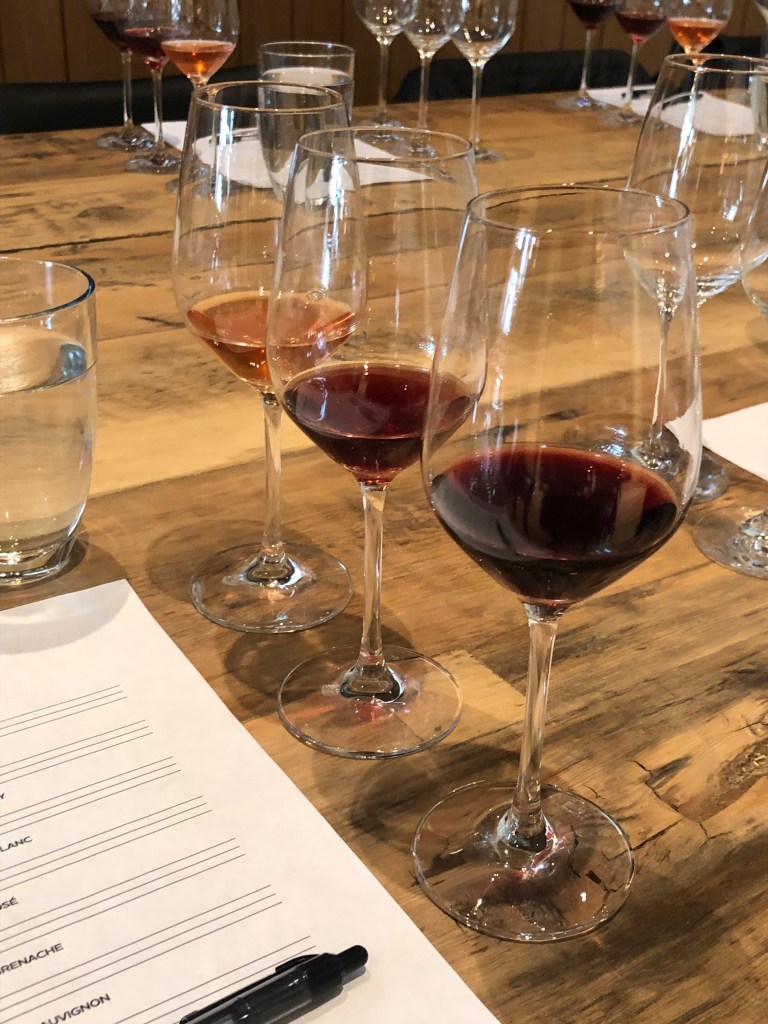
Erik, co-owner of Juice Imports, visited Calgary and hosted an all-red wine lineup event ($50) at Vine Arts on 17th Avenue SW. When Chew Steel (formerly known as L) and I arrived, we were handed a glass of Tomato Wheels Lambrusco. I see this sparkling red wine everywhere in Calgary, and I noticed it’s popular with sommeliers, as it is always highly recommended. As we were sipping this delightfully fizzy beverage, I bumped into Alia, a co-worker at my previous place of employment. For this post, let’s listen to some chill French cafe music.

Erik dreamed up this session because he said the phrase, “I only drink red,” is the most common comment he’s heard here in Alberta, partly due to the calibre of the province’s beef and long winters. He described the wines we were about to try as “nerdy” and fun.

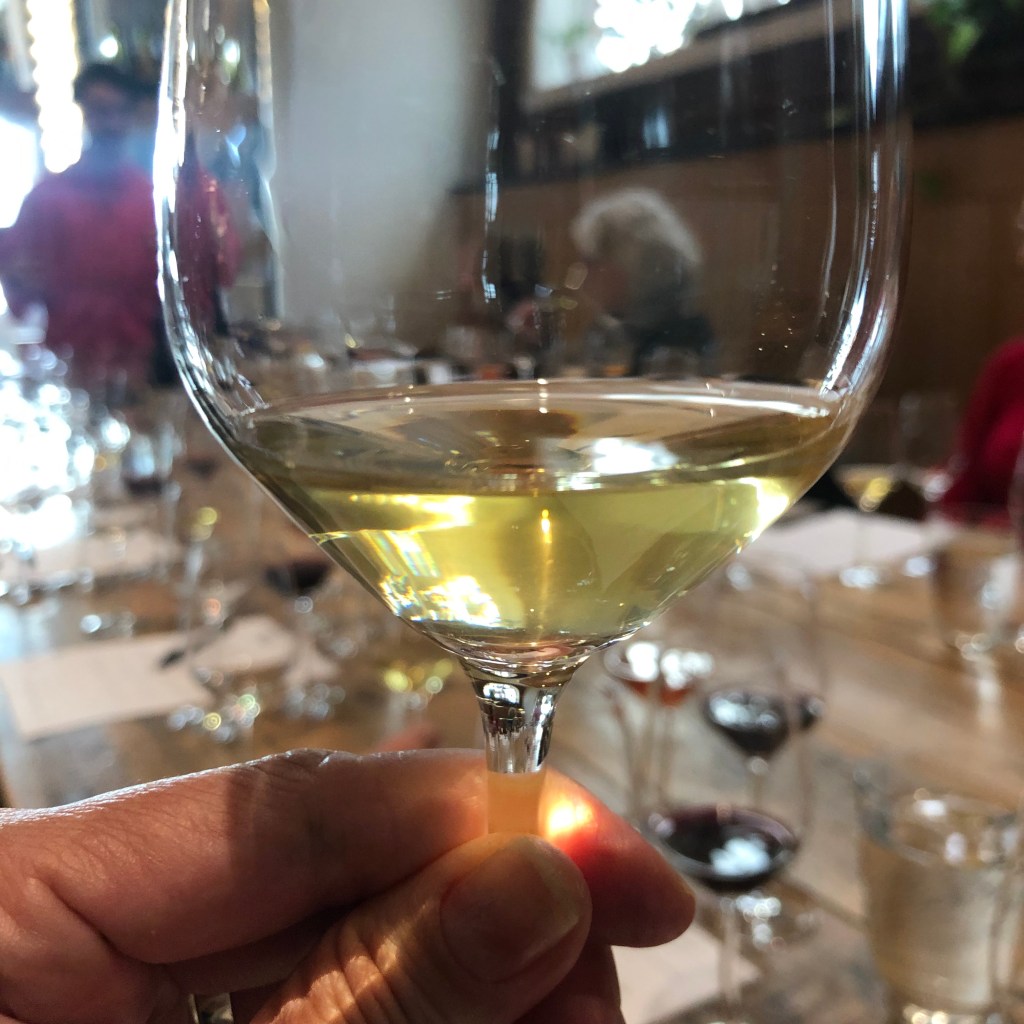
The first tasting was Jochen Beurer Trollinger ($34.11), one of his favourites in his lineup, and a wine he helped make in 2020. Light and bright, our wine master commented this drank like a white wine. The grapes themselves are big and juicy, thin-skinned and ruby red.

The second wine was Pinard et Filles Vin de Jardin ($51.83, discount $46.65), one of the rarest in his wine portfolio. The winery exports only to Paris, New York, Ontario, and, due to Erik’s persistence, Alberta. The fragrance was fantastic, and I loved how different this wine was from anything I had tasted. I asked Erik why this wine tasted so unusual. He explained that the grapes are resilient and hearty, and the genetic profile of these hybrid grapes is unfamiliar to most wine drinkers. He tasted “roses, hippy, floral and something utterly haunting.” Erik recommended pairing this wine with something opposite of its flavour, such as meaty French dishes, beef, liver, steak, or blood sausage.

Erik mentioned he only had six remaining bottles of this garden wine and other limited quantities of the rest of the lineup. Alia said she would battle it out with me. She mentioned she was competitive, and I said I wasn’t, which is true because the word I would use to describe myself in these situations is ‘pour’severant. Whenever I enjoyed a wine, I trotted downstairs and asked an employee to tuck it away for me. I fancied this wine so much that I bought three bottles, two for me and one for my friend Lululemon.

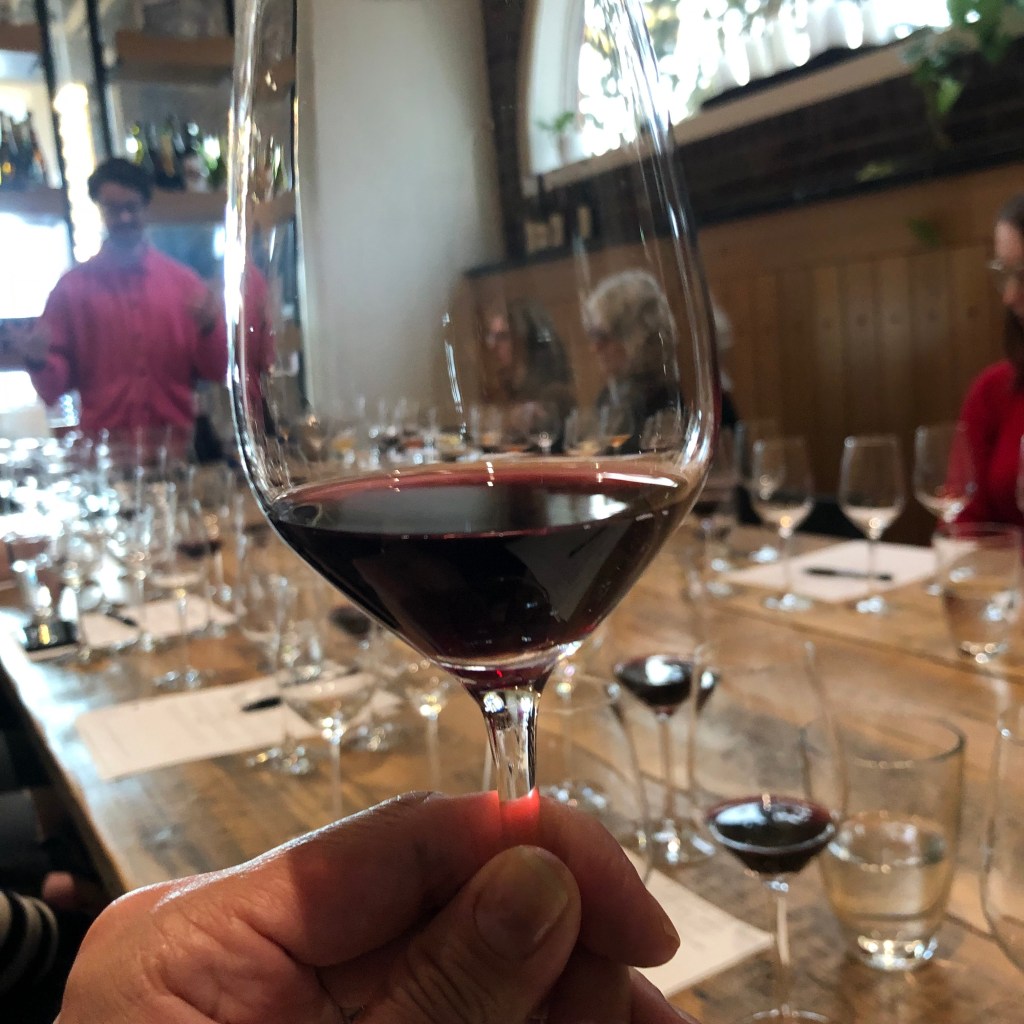
The third wine was Craven Firs Syrah ($40.21). It smelled like a conventional red wine, but it tasted sweet and silky. Erik noted dark fruit, like figs or blueberry pie. He mentioned the wine maker’s philosophy revolves around texture and noted factors that affect the style and flavour of red wine, such as stems, maceration, and oak. Another interesting fact is Cabernet Sauvignon contains white juice.

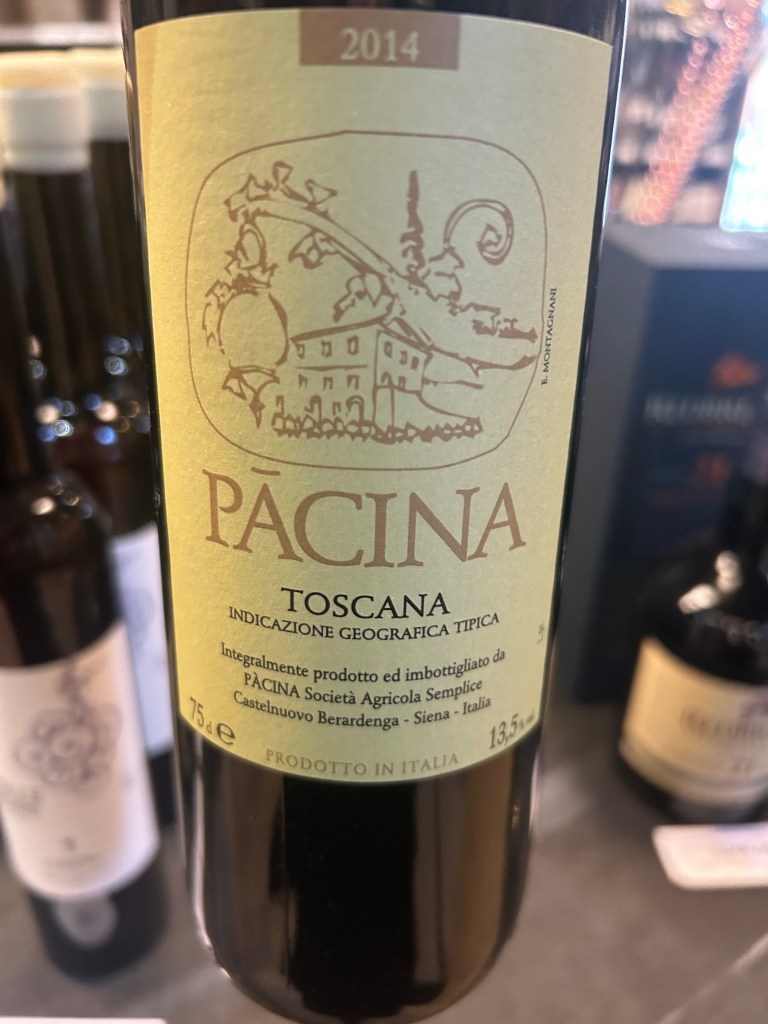
I enjoyed the fourth wine, Pacina Rosso Toscana (2014, $46.98). Chew Steel took a shine to this red, which I found fresh, light and dry. The sips with sediment tasted better than the first sip without. Erik described the scent as roses in their riper stage, and another customer likened it to the smell of a leather jacket.
I asked Erik about wine markup at restaurants and what to expect for a wine I buy at a liquor store for around thirty bucks. A customer piped up and mentioned the Keg doesn’t markup any of their wines. I told Chew Steel that we have to start dining there again. I mentioned to the other guests that Class Clown sells the best priced wines in town, and you can get a good one for only $50.

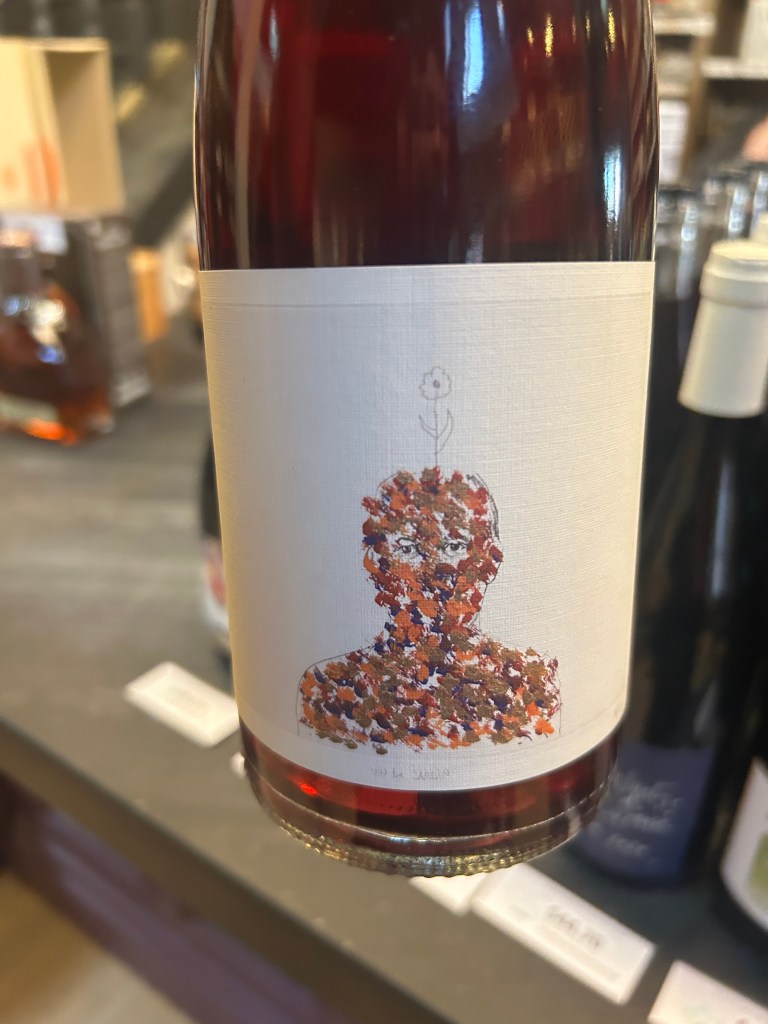
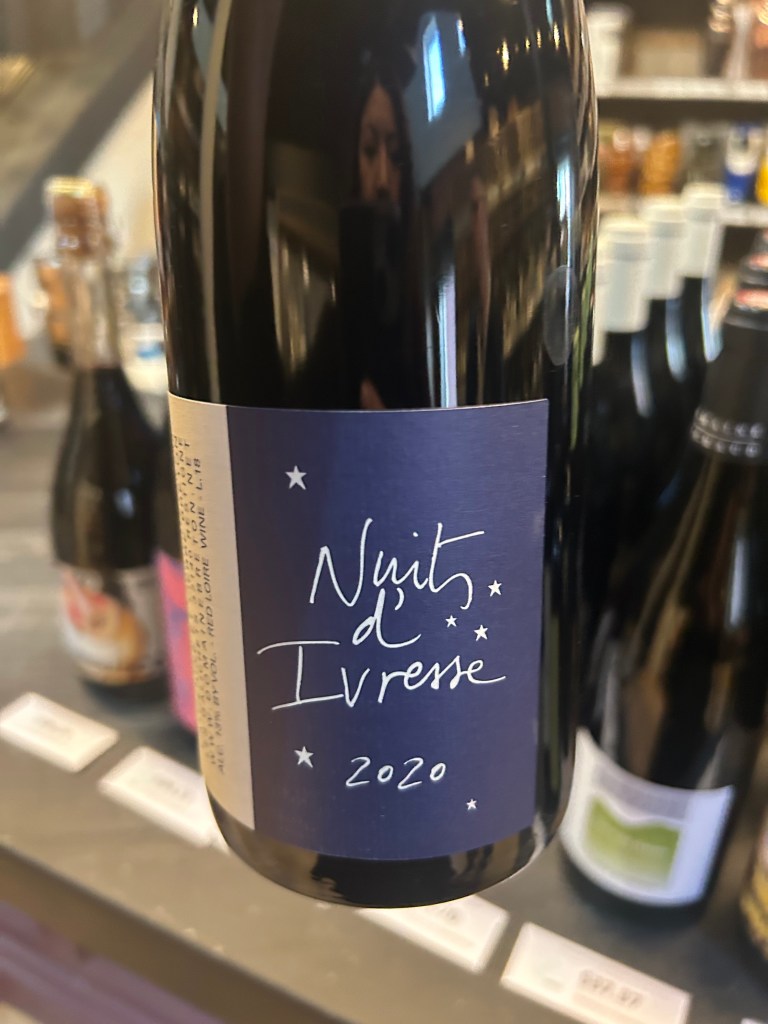
The fifth wine was Domaine Breton Nuits d”Ivresses ($44.70), a dry wine that pleasantly puckered my mouth. Chew Steel enjoyed this wine. Erik communicated that the winemaker is a legend in France and told us this wine uses Cabernet Franc from 50-plus-year-old vines from several terroirs, grown in primarily clay and limestone.

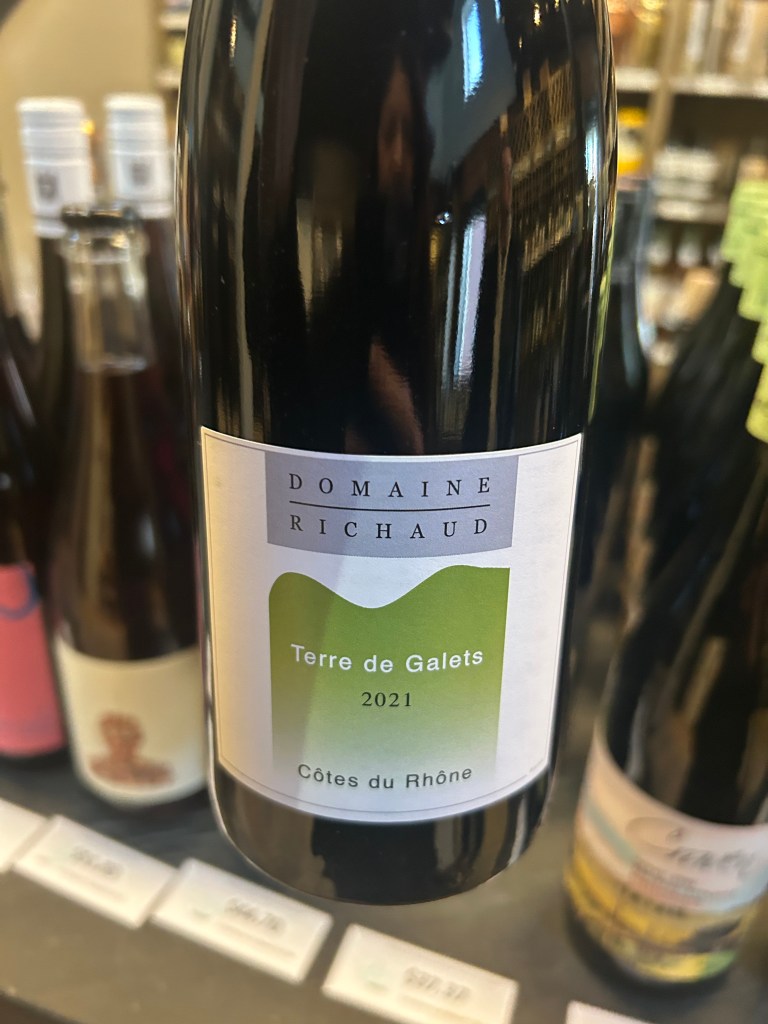
The sixth wine was Domaine Richaud Terre De Gallets ($37.37, discount $33.63). Chew Steel and I agreed this was our second favourite wine. Erik mentioned that marketing dictates price; the more successful a winery is, the better price they can get. This winery is less marketed than its neighbours, reflected in its price to customers. I bought two bottles. Erik recommends pairing this wine with lamb and thinking of what grows well in the region’s landscape rolling hills, such as wild lavender, rosemary, oregano, and garlic.
Erik advised us that vintages can differ yearly due to countless factors and explained how some wineries can create the same flavour profile year after year. I quizzed him on his stance on consistency versus the style of dynamic wines he sells. For example, if I splurge on a bottle, I want to know what I’m getting, hence my fondness for his wine tastings. Torn, he expressed it comes down to two different experiences. He enjoys the emotional expression of his lineup and the fun that comes from tasting wildly different flavours and textures. He compared these wine styles to Marc Seguin’s work (i.e. dynamic) versus the familiarity you can get at IKEA (i.e. consistency). He said it was like comparing the familiarity and affordability of Campbell’s chicken soup and his love for his grandmother’s soup, which changes based on the ingredients in her kitchen.

The bonus tasting is from a place I’m familiar from past events, Laurent Cazottes. The farm produces incredible liqueurs from tomatoes, walnuts, pears, plums and grapes. 2015 Folle Noir (discount $34.51) is made with 50-plus-year-old grapes, its whole berries macerated in a distillate from Folle Noir from the previous vintage. I bought three bottles, some for gifts.

Thanks, Erik, for hosting an epic wine session. Your Calgary customers badly needed the ‘pour-fact’ guidance from their favourite wine expert, who always uncorks the secrets of superb wines.

Wine tasting

Juice Import – Harvest Tasting

I had an extra Juice Import’s Harvest Tasting ($25) ticket because Beep Beep had to cancel her trip to Calgary. As Lululemon already bought two spots for herself and her fiancé Books, I invited Foodiegal as my plus one. For this post, let’s listen to “Got ‘Til It’s Gone” by Janet Jackson.

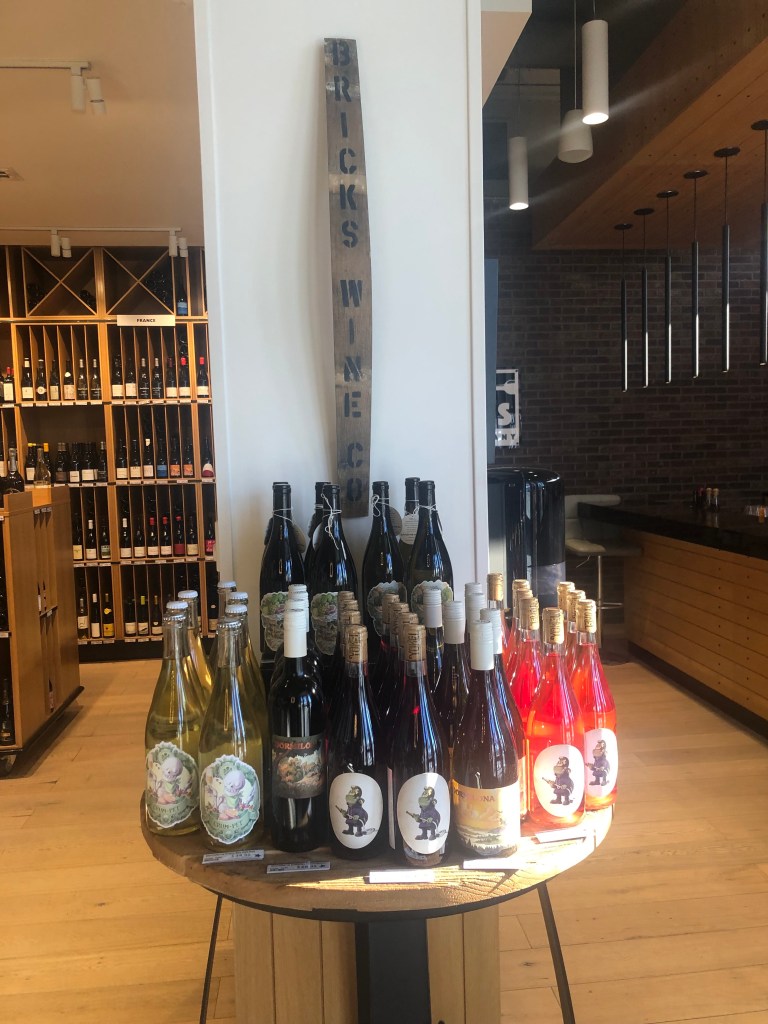
Foodiegal waited for me outside Bricks Wine Co. We signed in and partook in welcome bubbles from Brand Bros, Pet Nat ($38.95) when we walked inside. Foodiegal enjoyed the clean, soft bubbles so much that she put this bottle on her wish list.
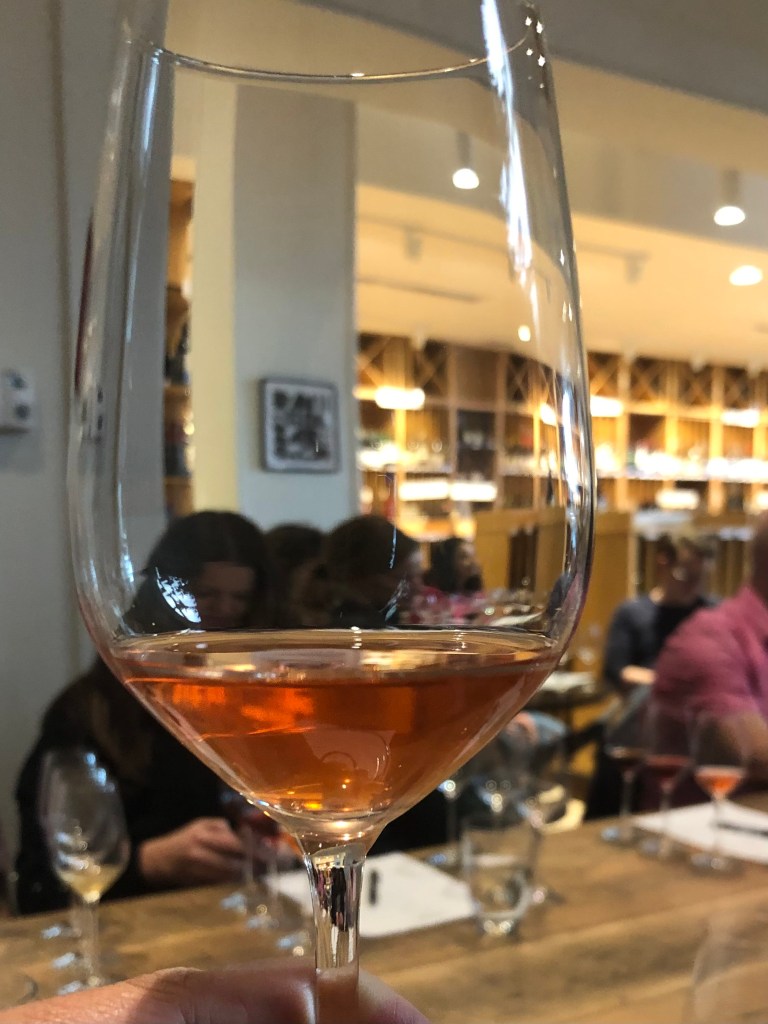
The theme of this tasting was a comparative analysis between Brand Bros and Jochen Beurer, two wineries in Germany where Erik helped to harvest the grapes. He started us off with a “serious” rosé, Brands Bros 2020 Wildrosé ($34.95), a wine with incredible intensity. The grapes are from 50-year-old Portugieser vines, and the harvest for this vintage was excruciatingly hot and dry. As this rosé is unfiltered, the owner, Daniel, instructs customers to shake and wait ten minutes for the particles to settle. We admired the colour and how the light reflected off the sediment floating in the wine.
If Wildrosé is considered serious, Jochen Beurer Rosé ($29.95) is carefree with its soft, gentle flavour. Erik described the wine as “bright and juicy, with a ton of freshness.” Foodiegal and I enjoyed this rosé. Erik noted this vintage is the product of all the grape varieties, and “then the juice is bled off and spontaneously fermented to full dryness in stainless steel before élevage and bottling.”

Erik took a sip of Brand Bros Monastery Riesling ($46.95) and sighed at its haunting complexity and proclaimed that this was everything he loved about wine. Cloudy in colour, I appreciated how the Riesling sparkled against my tongue. Erik informed us that the fifty-year-old vines are planted in limestone-dominant soil, which helps preserve acidity, even in scorching weather. Lululemon and I bought a bottle because it was that good. Foodiegal wasn’t a fan, so I drank her glass. Unfortunately, I forgot to ask Erik what to pair with this Riesling.

Erik asked us which we enjoyed more, the Monastery Riesling or Jochen Beurer Jungrs Scwaben Riesling ($59.95). About half the group preferred the Jungrs Scwaben. I favoured the yum factor of the Monastery, but I still appreciated the richer, smoother, sweeter Riesling from Beurer. I asked Erik why does Germany have the best Rieslings? Erik reckoned it was a combination of factors. Perfect climate, soil, and having a thousand years of experience create generational knowledge that gets passed on.

I was pleasantly surprised by Brand Bros Red ($31.95). Quaffable, with a pretty scent and soft carbonation. Erik mentioned this red was easy to pair with lots of food. Lululemon, Foodiegal and I bought a bottle.

The Jochen Beurer Red ($29.95) was heavier and richer in taste than Brand Bros. I was surprised how much I enjoyed the red wines because Germany’s famous for Riesling. I was particularly impressed with the sparkling red. I wondered why these two German wineries offer such high-quality, reasonably priced wines compared to some other wineries. Erik explained the land is cheaper in Germany, and their harvest produces high-yield crops, unlike pinot noir or more difficult grape varieties. As well, the government offers subsidies.

I learned that Erik also hosts private parties. I may enlist Erik’s service when my sister Me Shell visits me this summer. I can’t think of a better way to spend an evening. Supping on steaks and sipping on fine wines while listening to Bard Erik recite his journeys tasting the most natural wines in the most unlikely places.

Wine tasting

Juice Imports – Dormilona

Last Sunday, Sunflower and I attended a natural wine tasting ($25) at Bricks Wine Store. Juice Import co-owner Erik Mercier showcased wines from Dormilona, a woman-led winery in Margaret River, Western Australia. For this post, let’s listen to “French Disko” by Stereolab.

An interesting fact about winemaking in Australia and the wine owner / maker Josephine Perry. The seasons in the Southern Hemisphere are the opposite of the Northern Hemisphere. Josephine hops back and forth between Western Australia and the Northern Hemisphere and doubles the wine she can make. Furthermore, the harvest times in Australia is from January-February and March-April in New Zealand, which allows her to add a third harvest.

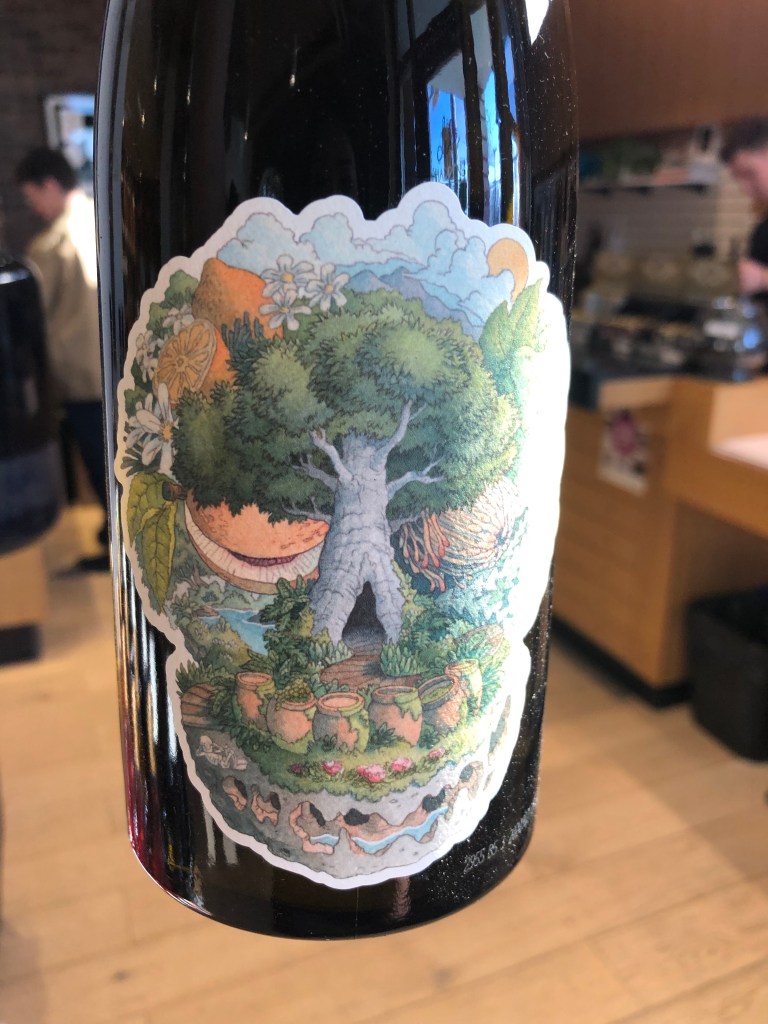
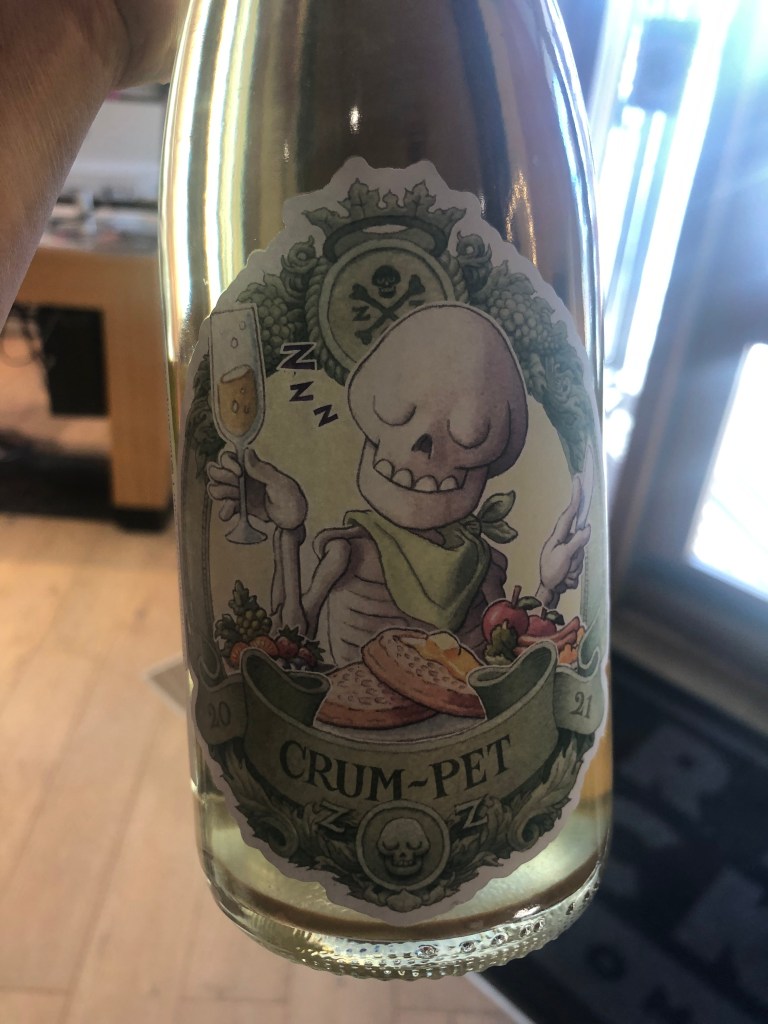
Josephine’s intense work ethic results in a dawn-to-dusk schedule. Being so busy means she rests when she can and is known for falling asleep at the dining table. This drowsy habit turned into her moniker, wine label and the name of her winery. Dormilona translates to “lazy bones,” and a sleepy skeleton is the motif.

The first wine we tried was a 2022 Crum Pet ($44.95). Erik described this sparkling wine as friendly and clean, with tangy lemon zest. Erik noted this wine is bottled while still fermenting, resulting in a naturally sparkling wine.

The 2020 Chardonnay ($53.96) had a strong scent with a pleasant aftertaste. Erik mentioned the grapes come from an impeccable biodynamic farm called Burnside Farm, and the method of dry farming results in highly concentrated grapes. He likes the soft texture and gentleness of the 2021 chardonnay. I found this wine a little buttery.

The grapes from the 2021 Clayface Chardonnay ($75.95) come from the same vineyard as the previous wine we tried, except only the very best fruit is used for this vintage. Sunflower tasted kumquat, while Erik described clementine. I say potato, potahto, tomato, tomahto. Erik mentioned this is Josephine’s top chardonnay cuvée, with only 45 cases produced and each bottle hand numbered.

The next wine, a 2022 Clayface Chenin Blanc ($75.95), is even rarer, and Juice Import’s first-ever allocation of Josephine’s top chenin blanc, with only 25 cases produced. There are only six bottles of the 2022 Clayface Chenin Blanc in Calgary and six in Edmonton. Erik sniffed, sipped and sighed that this was a crazy good flavour.

My favourite wine is the 2022 Yokel Rosé ($35.59). I’m not usually a rosé fan, but this was just sumptuous. Erik thought there was plenty of structure, complexity and nuance. The grenache grapes are farmed from the hottest commercial region in Australia. I bought three bottles of the rosé.

The 2022 Yokel Grenache ($38.95) is Erik’s favourite in the lineup. He tasted cherry pie, cherry danish and fresh cherries. Sunflower tasted blood orange. Sunflower and I both bought a bottle of the grenache.

The last wine we sampled was the 2021 Cabernet Sauvignon ($68.95). Erik called this an “intense, luxurious, but not heavy.” I bought a bottle for my sister Me Shell, who’s visiting me in July. I know her taste, and she would love this style of wine.


Erik should consider becoming a full-time wine lecturer. I don’t know if there is a university for natural wines, but he should look into it. His passion is so evident you can hear it in his voice and see it in his eyes. I’m looking forward to the next Juice Import event, a raging, sold-out Pinotfest.

Wine tasting

Pinard Et Filles – Juice Imports

Sunday is my Funday, particularly when Juice Imports hosts a wine tasting ($25)! The night before the event, my friend Quebecoise confided that the wines from her home province were notoriously bad. Despite this inside tip, I was confident that Sunday’s wines would be stellar because I’ve personally tasted the whimsically delightful wines Juice Imports brings to Alberta. For this blog, let’s listen to “Old Love” by Dominique Fils-Aimé.

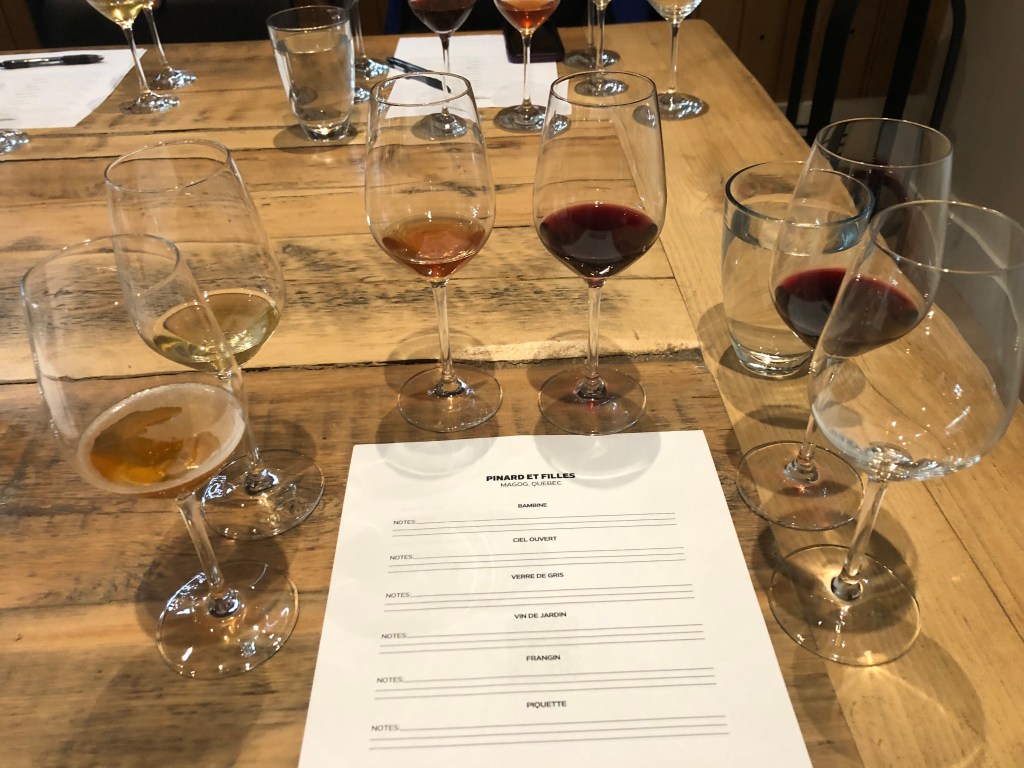
We sampled six wines from Pinard Et Filles, a winery in Magog, Quebec. Erik confirmed what Quebecoise stated – Quebec does have a reputation for making atrocious wines. However, there is always an exception. In this case, winemaker / farmer Frederic Simon is dedicated to excellence. According to Erik, Simon’s passion dictates the unparalleled quality of his wines. If the crop doesn’t meet his expectation, he won’t bottle it, despite any financial loss he suffers.


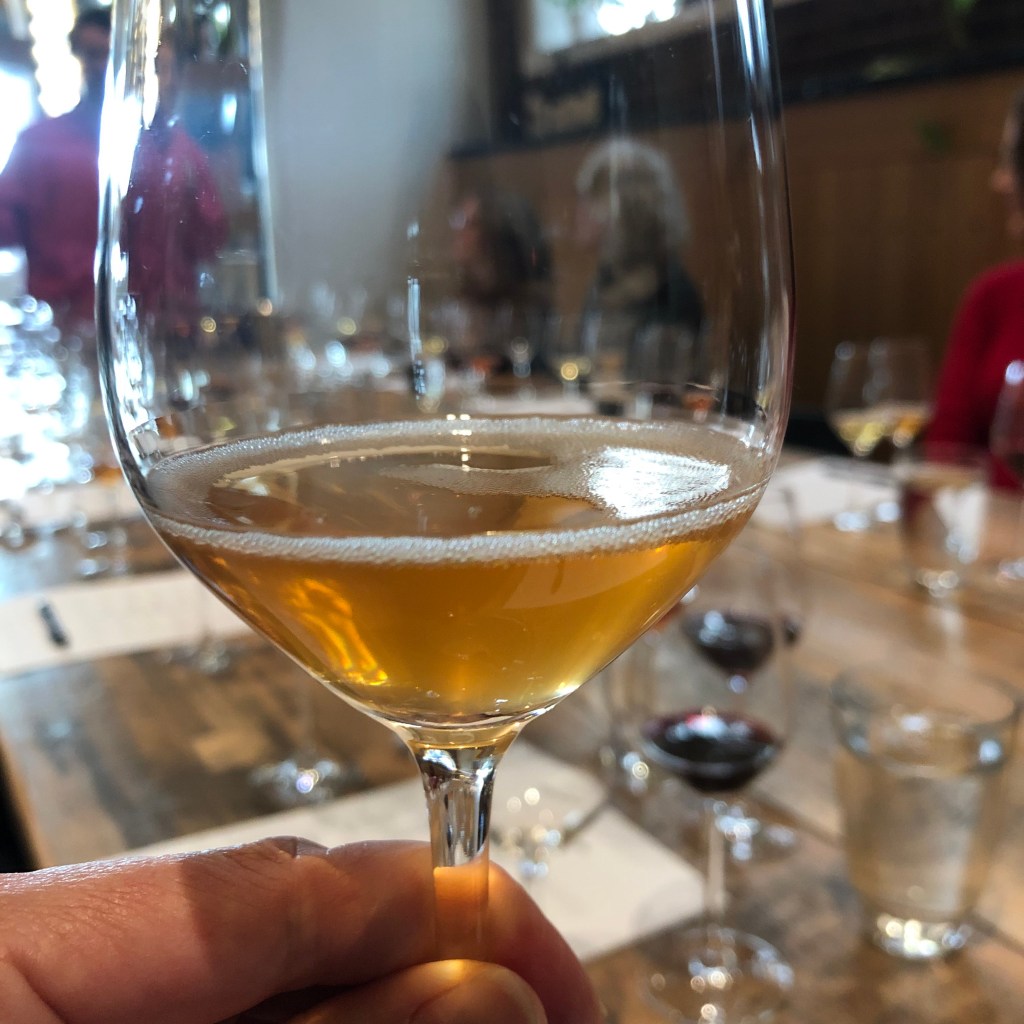
The first two tastings were what Erik referred to as “serious and brooding” wines. First up was Bambine ($59.95). Amber in colour, I smelled ripe, dank nectarines. What an entrance this wine makes on your tongue! Erik mentioned this wine was on his top ten list in 2021. He described this orange wine as “beastly, full-bodied, supple, with rich, black tea characteristics, like oolong.” Sunflower whispered that it reminded her of funky cider.

The second wine – Ciel Ouvert ($61.95), is Erik’s current favourite. To me, this wine smelled bright and potent. Erik tasted brine and almond characteristics. He compared this wine to a book you repeatedly reread because you discover something else each time you look through the pages. It’s a wine you can taste over and over and, each time, find new depths. Sunflower thought the Ciel Ouvert would pair with a fatty cheese with an unusual flavour.

The third wine was Sunflower and my favourite – Verres de Gris ($52.95). What a fun wine! I drank this far too quickly. Sunflower tasted blackberry or gooseberry and said it smelled jammy. Erik commented that Pinard Et Filles has a cult following, and their stock sells out instantly in New York and Toronto. Even in Quebec, there are lineups to buy their wine, and customers are limited to one bottle per person.

Next, we tried Vin de Jardin ($49.95), a garden wine. Woah, baby! I dig the smooth, silky texture and pretty scent. Sunflower tasted cranberries and mentioned it was almost like drinking white wine.

Frangin ($52.95) was another winner. Sunflower smelled raspberries. Erik described this red wine as peppery and lip-smacking. He noted that all Pinard Et Filles wines are 100% natural, with no added sulphur, colour, or flavourings.

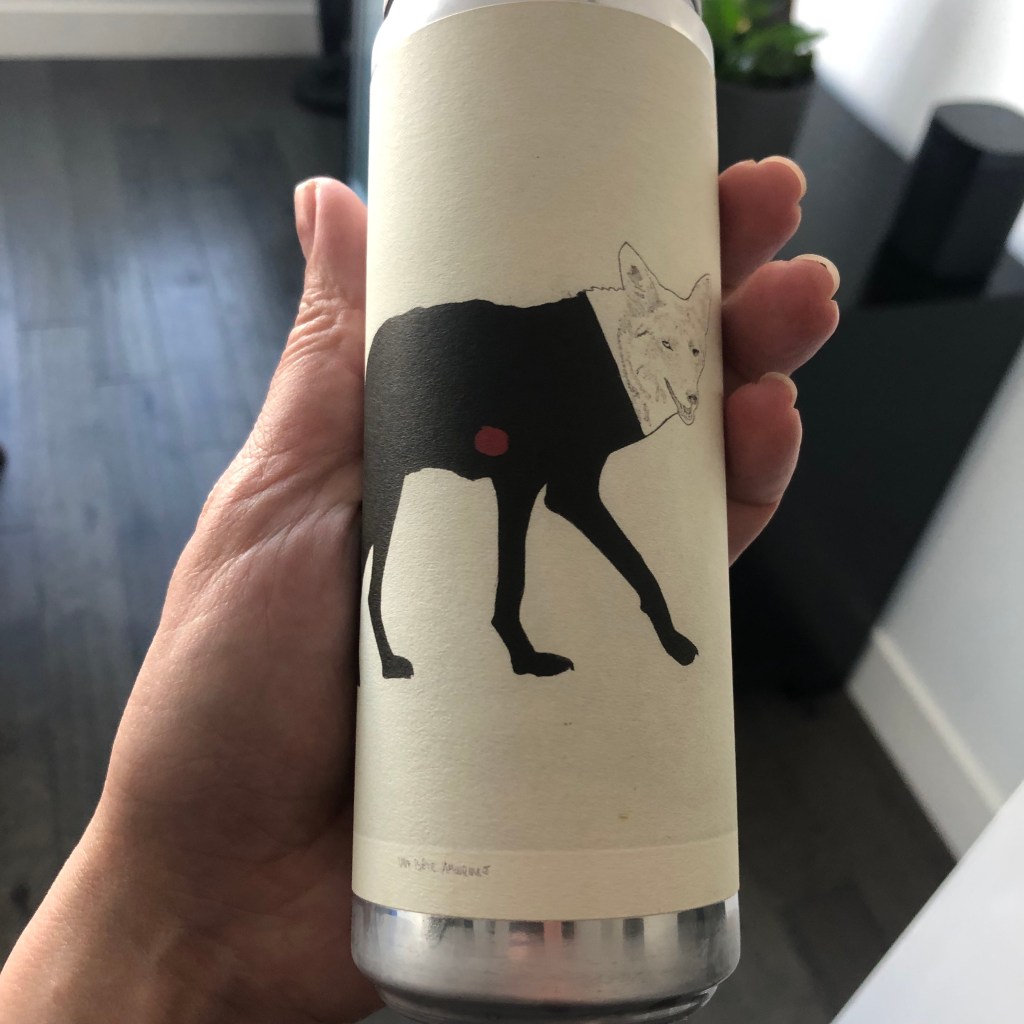
For our last tasting, Erik opened up a can of Piquet ($11.95, 355 ml). Ah, now this is what I’m familiar with – easy quaffing wine. Sunflower tasted papaya. Piquet is yummy and delicious. Erik said this style of wine is made utilizing waste products, such as grape skins, which contain so much flavour. Erik and Sunflower commented this can would be perfect for bringing to a picnic or movie theatre. I went one step further and declared it would be ideal for work. Tough crowd – no one laughed at my joke, not even a smile.

Thanks, Erik and business partner Mark, for volunteering your time to host this event, and Bricks Wine Company for only charging a bare minimum for using the beautiful space. The (practically) free tickets just mean we have more to spend at the store.

Restaurants · Wine tasting

Kindeli Wines – Juice Imports

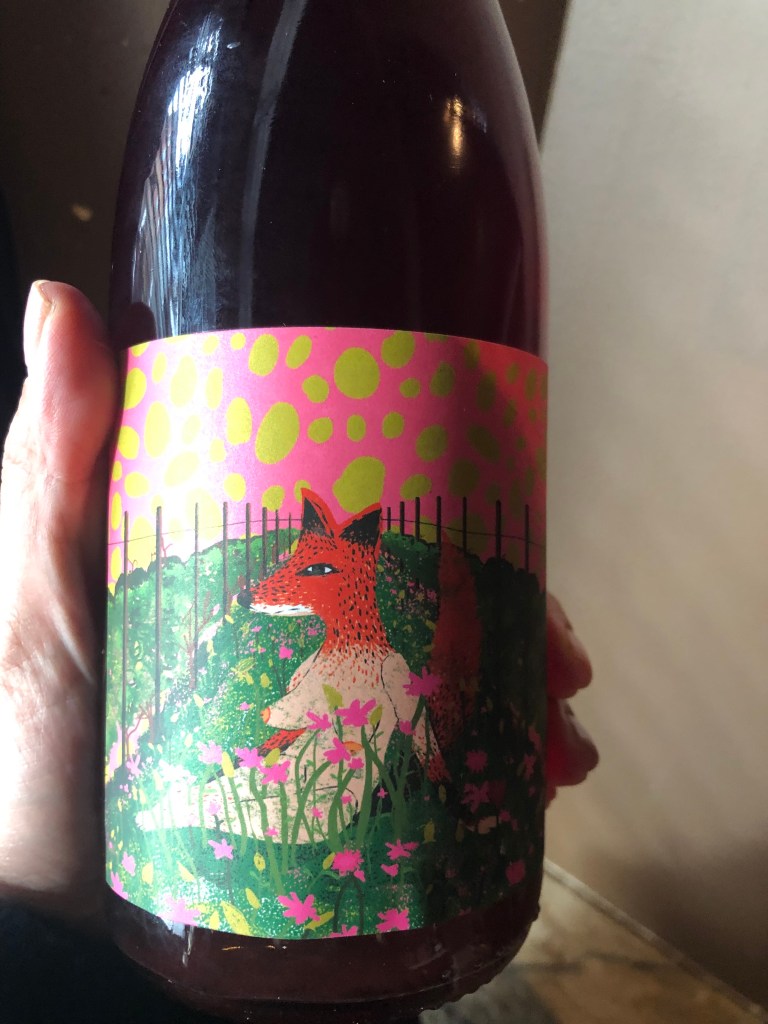
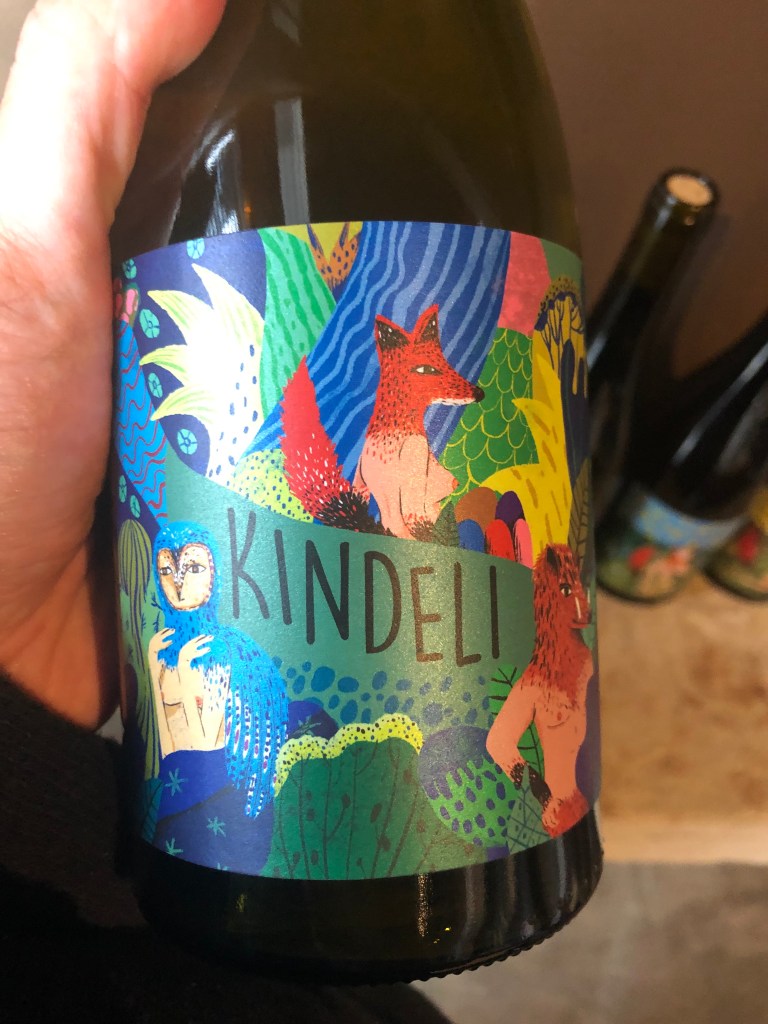
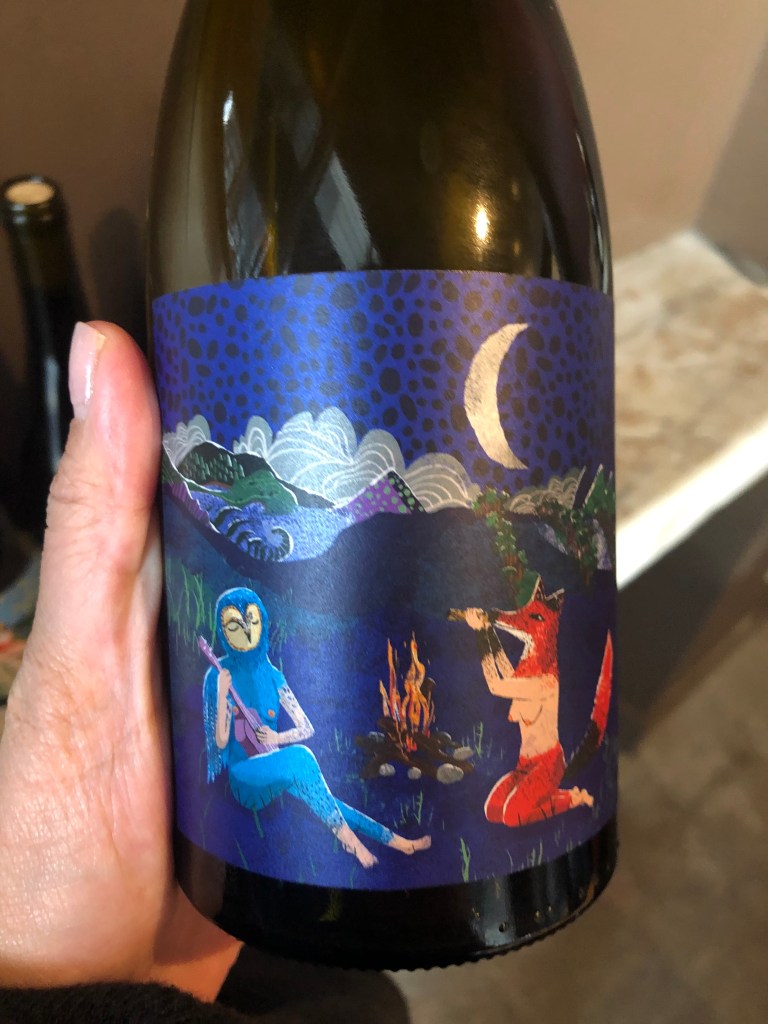
On Sunday, Kournikova joined me for a wine tasting ($29) at Vine Arts. Hosted by the co-owner of Juice Imports, Erik Mercier showcased Kindeli wines from Nelson, New Zealand. Let’s listen to “Hurt Feelings” by Flight of the Conchords for this post.

Our welcome drink was Kindeli Primavera, a rosé with a dark, raspberry-like hue and a light sparkle of carbonation. Erik informed us that this wine is made from several grapes: Riesling, Pinot Gris, Riesling, Viognier, Gewurztraminer, and Pinot Noir. He noted this rosé drinks more like red wine. Kournikova liked this one so much that she bought a bottle.

Our first official tasting was Blanco ($39.37). I was surprised when I took the first sniff, as I’d never smelled a wine like this before. Kournikova thought the wine smelled grassy. Erik described this wine as “rocking” and said it smelled like the Sauvignon grapes in Kindeli’s vineyard. He mentioned the wild fermentation process Kindeli employs results in a wider range of flavours.

Kournikova enjoyed the Luna Nueva ($44.91). This wine consists of a blend of Pinot Gris, Viognier, Chardonnay, and Sauvignon Blanc. Erik said this wine had a crazy texture, describing it as round, soft and bright.

When I asked him to define “texture” to me, he compared the difference between skim and whole milk. Erik told me to think about the words “fatty” and “saturation” and what that sensation would feel like in my mouth. For example, he stated Viognier is an oiler and heavier white wine.

My favourite wine was Verano ($44.91). Erik described this dry, fresh wine as savoury, with notes of dried apples and Oolong tea. I knew right away my girlfriends would love this bottle. I bought one bottle for my friend Sunflower, who has a penchant for orange wines.

Erik recommended pairing this wine with something funky and sweet, like a Japanese curry. He stated that Verano represents a complete picture of Kindeli’s farm, as every variety is blended into this bottle: Sauvignon Blanc, Riesling, Gewürztraminer, Chardonnay, Pinot Gris, Pinot Noir, and Syrah.

The Otono ($44.90) is made from Gewurztraminer grapes, fermented on skins for five days in an amphora (Greek vase). After the pressing, Riesling and Pinot Gris juice is added to the “spent skins”. Erik noted this wine is bottled unfined, unfiltered, and without sulphur.

Erik loved the smell of Ivierno ($44.83). He stated one of the many reasons he likes natural wines is the different breadth of flavours it produces. This wine contains about 90% Pinot Noir and 10% Pinot Gris.

Kournikova thought Tinto ($44.83) smelled peppery. Erik described the flavour as dark fruit juicy with a violet floral. Of the red wines, this was my favourite. With each sip, I noticed a new tasting note.

The last wine we tried was Luna Lena ($44.90). Erik described Luna Lena as sweet, with dark fruit characteristics. I asked him why my initial reaction to his wines changed with each sip. At first, I was unsure if I even liked the wine. However, with each quaff, I started to appreciate different flavours I didn’t pick up at first. I told him this experience is the opposite when I drink terrible wine at a pub, as even though I keep drinking it, it never tastes better, no matter how hard I wish it to be.

Erik believes it’s because we initially don’t like unfamiliar flavours that we can’t describe. It is our body’s way of warning us about poison. But after we try something new, such as wild fermented wines, we get used to the unique flavours and begin to taste other things.

I’m looking forward to Erik’s upcoming events in November and December. I already booked up each class he’s teaching. These wine seminars are so cheap that I can afford to splurge on fancier bottles for my forthcoming Christmas parties. Hitting the Sauce gives Erik’s evident passion for natural wines two phat thumbs up.

Restaurants · Wine tasting

Fringe France – Vine Arts

On Friday evening, L, Bottlenick, and I went to the Fringe France wine tasting ($50) at Vine Arts on 17th Ave. Klaire McCallum, our host for the evening, selected wines from France’s lesser-known regions from wineries that produce only a small number of wines each year. Choosing this class was a no-brainer for me, as I have an infinite love for French wines. For this post, let’s listen to “A Bicyclette” by Yves Montand.

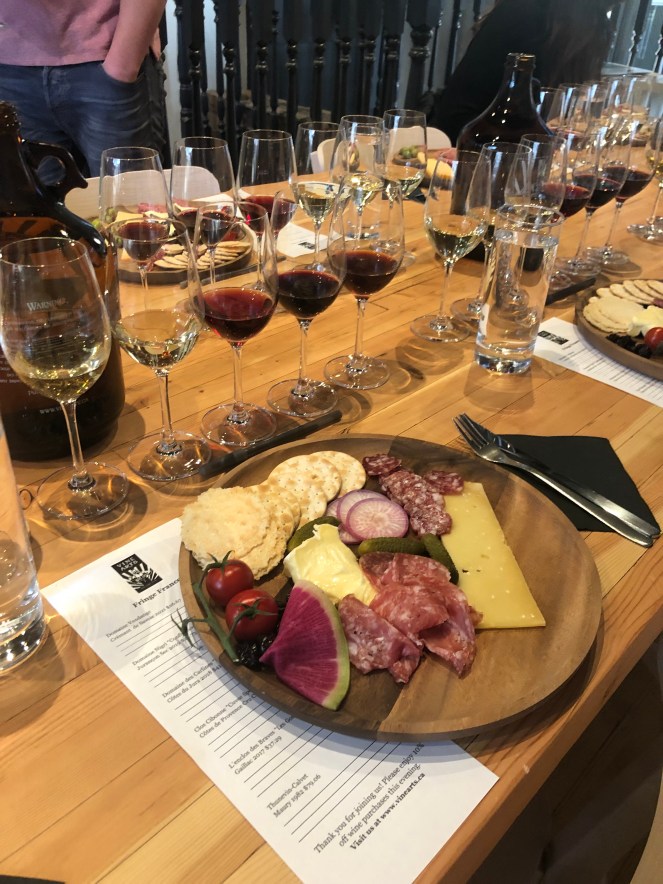
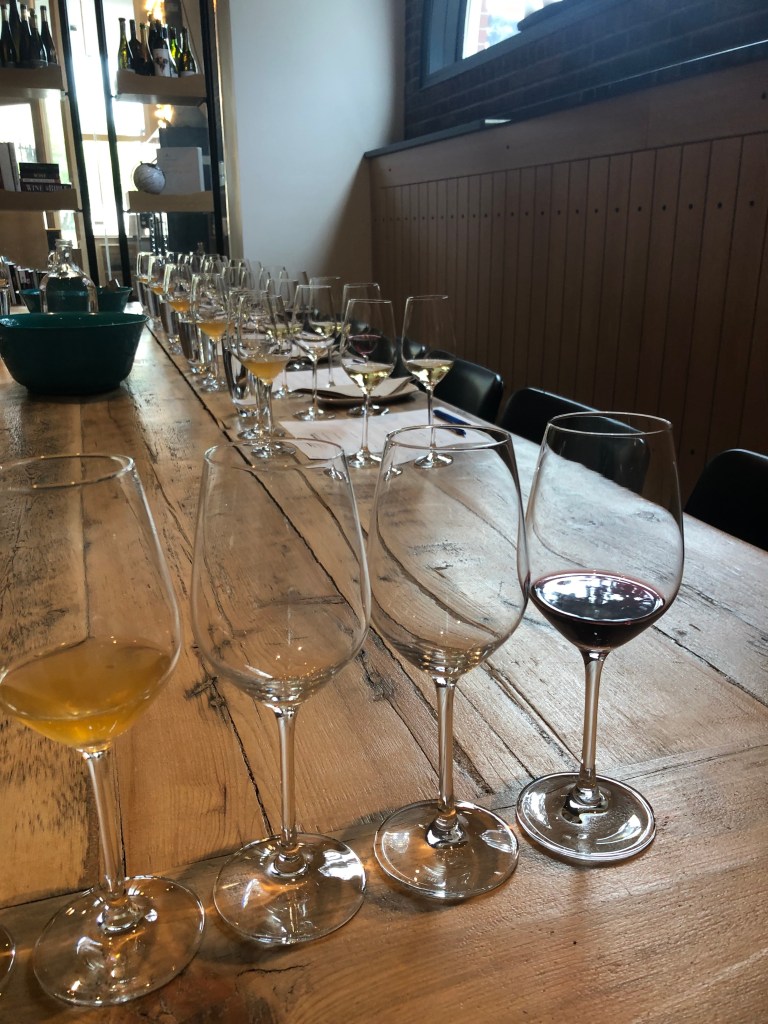
Vine Art’s tasting room is brand-new, located on the store’s second floor. We sipped a glass of sparkling wine and introduced ourselves to the guests closest to us.

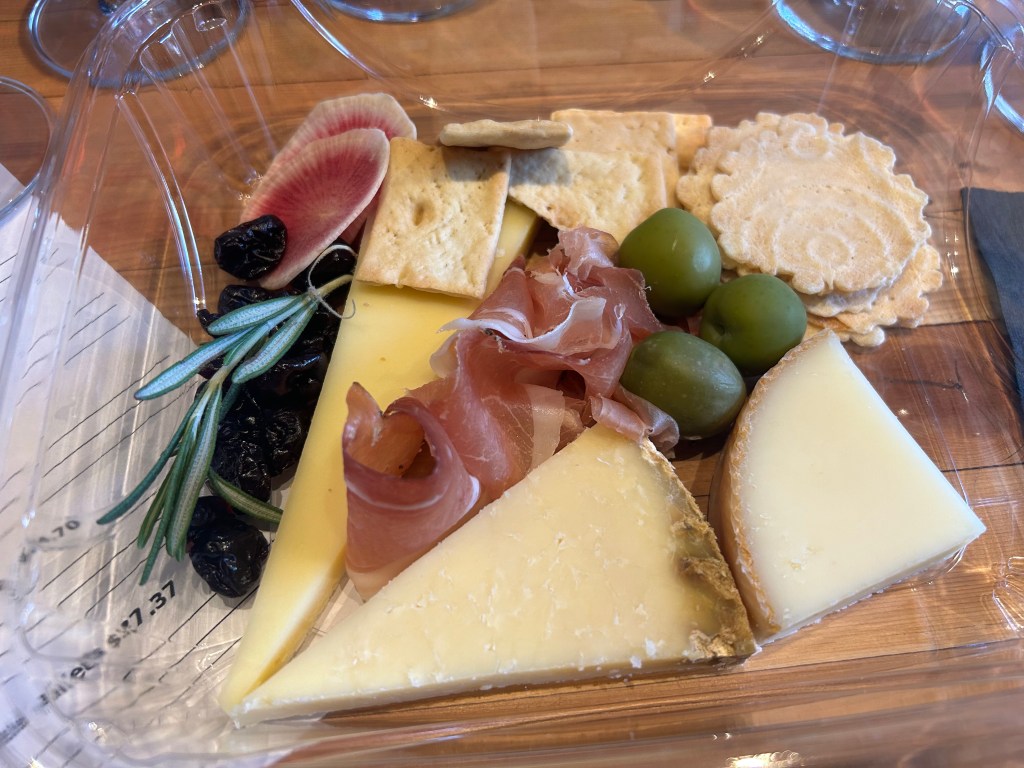
Everyone was given a gorgeous cheese and charcuterie plate from Peasant Cheese. The brie was ripe and creamy. The gouda was even better, hard yet smooth, with a bit of texture. The charcuterie was so tasty that I chewed slowly to extract the most flavour from each bite.

The first wine we tried was the Domaine Vendange Cremant de Savoie 2021 ($26.67). We learned the location of the winery borders Switzerland and Italy, and the region produces one percent of France’s wine production. Bottlenick commented the wine was toasty. There was a breadiness to it that reminded me of champagne. Klaire recommended pairing this bubbly with alpine cuisines, such as a tartiflette. I bought a bottle of this wine and planned to bring it out while hosting a raclette dinner party.


The second wine was Domaine Nigri “Confluence” Jurancon Sec 2019 ($29.73). This winery is located in the southwest of France, close to Spain. Klaire described this wine as intense, with notes of passionfruit. L said it tasted tropical, while Bottlenick thought it was soft, interesting, and unique. Klaire advised pairing this wine with something rich, like foie gras or duck.

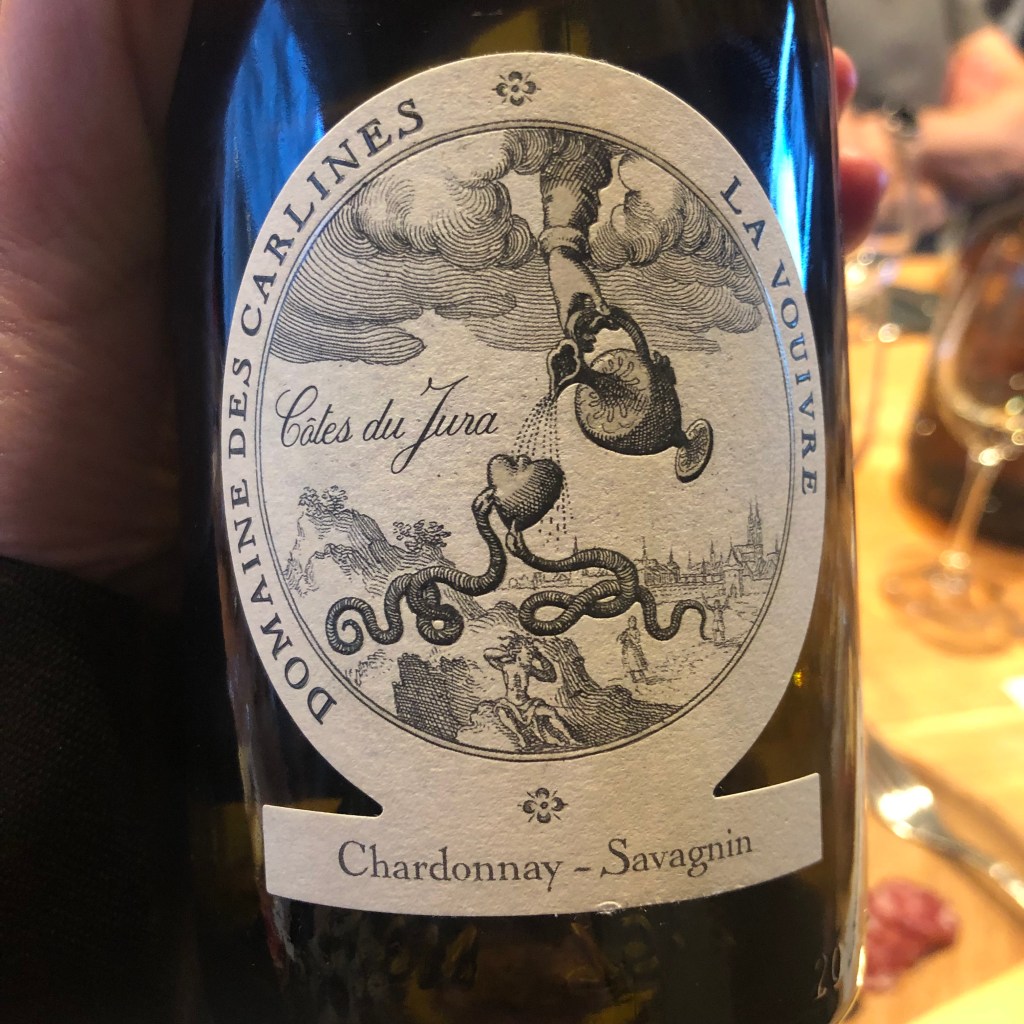
I enjoyed the third wine – Domaine des Carlines La Vouivre Cotes du Jura 2018 ($41.19). Klaire noted Jura is famous for its yellow wines and known for its dry and sweet white wine. Bottlenick and L were fans of this wine as well. Bottlenick thought it was oily, while L said it was slightly sweet. I thought it tasted good.

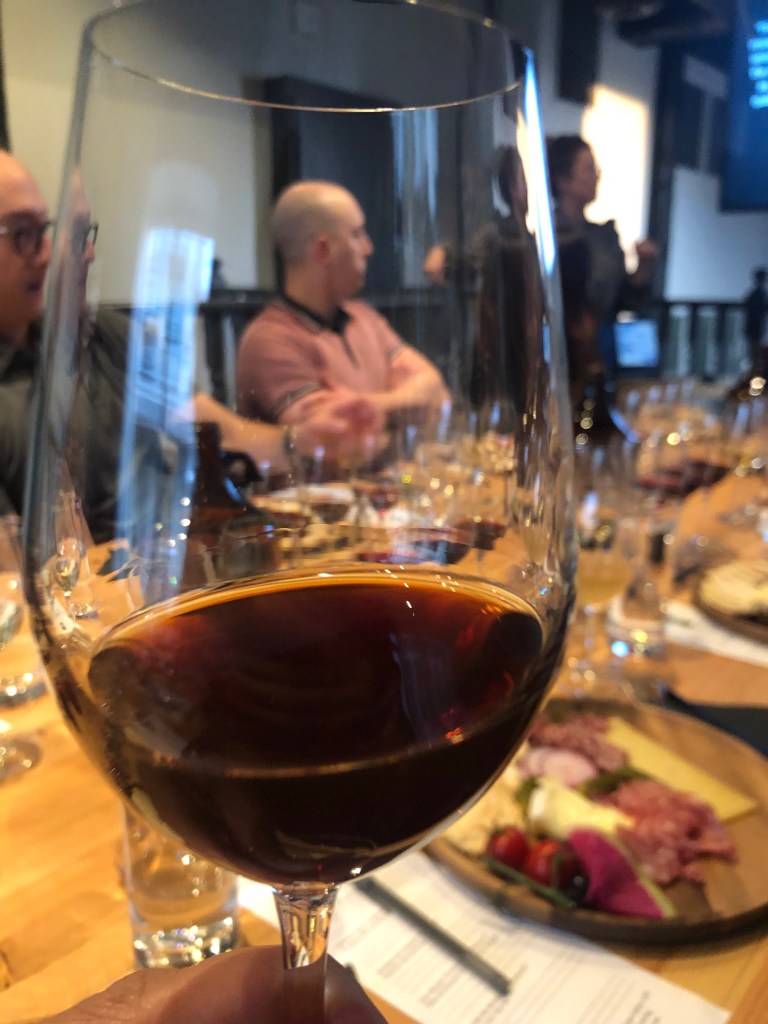
The fourth wine hailed from Cotes de Provence – Clos Cibonne “Cuvee Speciale Tibouren” 2021 ($58.30). Although the region is famous for its rosé wine, we tried a red wine with a see-through ruby hue. Klaire described this wine as herbal, with rosemary, thyme and lavender notes. L thought the wine tasted peppery.

There were two very interesting points Klaire shared with us about alcohol content and acidity. First, she pointed out the rosé’s alcohol content was 14%. She explained that the higher the alcohol, the more texture and feeling a wine has. Second, she mentioned that wine with high acidity makes the mouth water, while wines with lower acidity create more of a mouth-coating sensation. Klaire stated acidity in wine is desirable when paired with certain dishes, as it helps to cut into the fattiness.

The winning wine for me was the fifth tasting – L’enclos des Braves “Les Gourmands” Gaillac 2017 ($37.29). Klaire suggested pairing this wine with charred food, a stew, chili, or soup. I loved this wine so much that I bought a bottle. I’ll break this wine out the next time I burn a dish for a party.

Our last tasting was Thunevin-Calvet Maury 1982 ($79.06). L joked that the wine was almost as old as me. I thought this wine wasn’t as sweet as it smelled and tasted a little like a raisin. This is one of the best ports / dessert wines I’ve tried. We learned this wine is produced on mountain landscapes in a dry, hot, rugged climate. The shrubbery the grapes grow on has deep roots. Due to the poor soil, the stress on the grapes produces the best wine.

By this point in the night, everyone was comfortable, and I heard shouts of “walnut” and “bitter almond” thrown around. When asked what makes a wine worth aging, Klaire listed three things – it must have complexity, tannin structure, and acidity.

Klaire detailed how old this wine was and how this type of wine was made 400 years before the port was made through the mutage mechanism. I piped up and said I didn’t think 40 years was very old at all. The person across from me reminded me we were talking about wines, not people.

These wines were not easy drinking, patio-crushing bottles I usually consume with my girlfriends. However, Klaire noted that she picked unique wines that paired exceptionally well with food. She wanted us to try wines with attitude, not face-ripping weird wines. She succeeded – as I thoroughly enjoyed her selection.

Restaurants · Wine tasting

Meinklang Wine Tasting – Bricks Wine Company

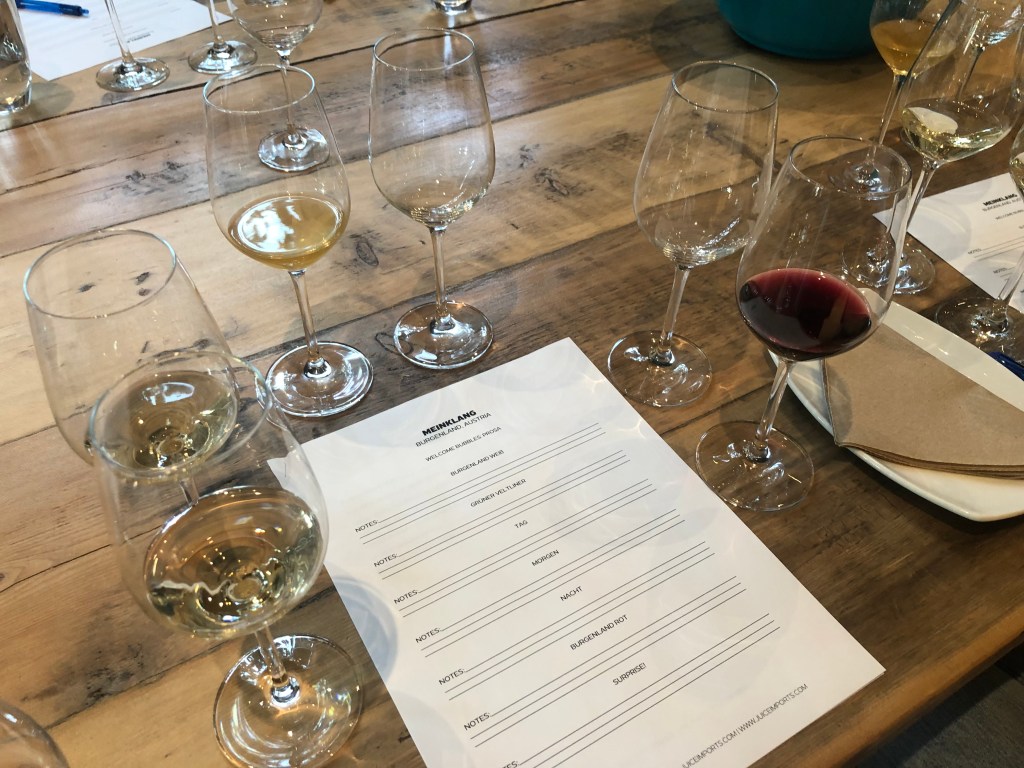
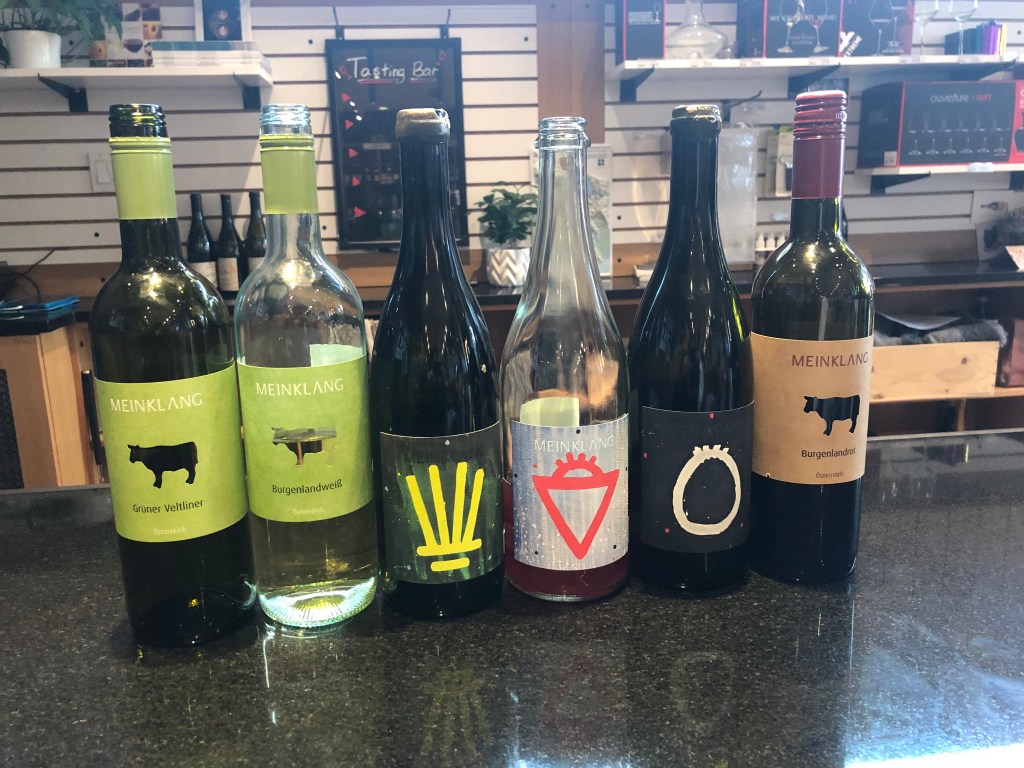
Sunflower brought over a beautiful wine from Meinklang for me to try. The next day, I saw Juice Imports was hosting a Meinklang tasting ($20) at Bricks Wine Company. I took this as a sign and snapped up two tickets. For this post, let’s listen to “Hang Me Up To Dry” by Cold War Kids.

A thoughtful employee from Bricks Wine Company called me before the tasting to remind me of a marathon in Inglewood, which shut down several main streets. She suggested a roundabout way to access the wine store. I promptly informed Books, Sunflower’s fiancé, who was dropping us off. I offered to book an Uber back, but Sunflower mentioned that with Covid, Books prefers her not to take public transportation or Uber. He kindly came and got us after the event.

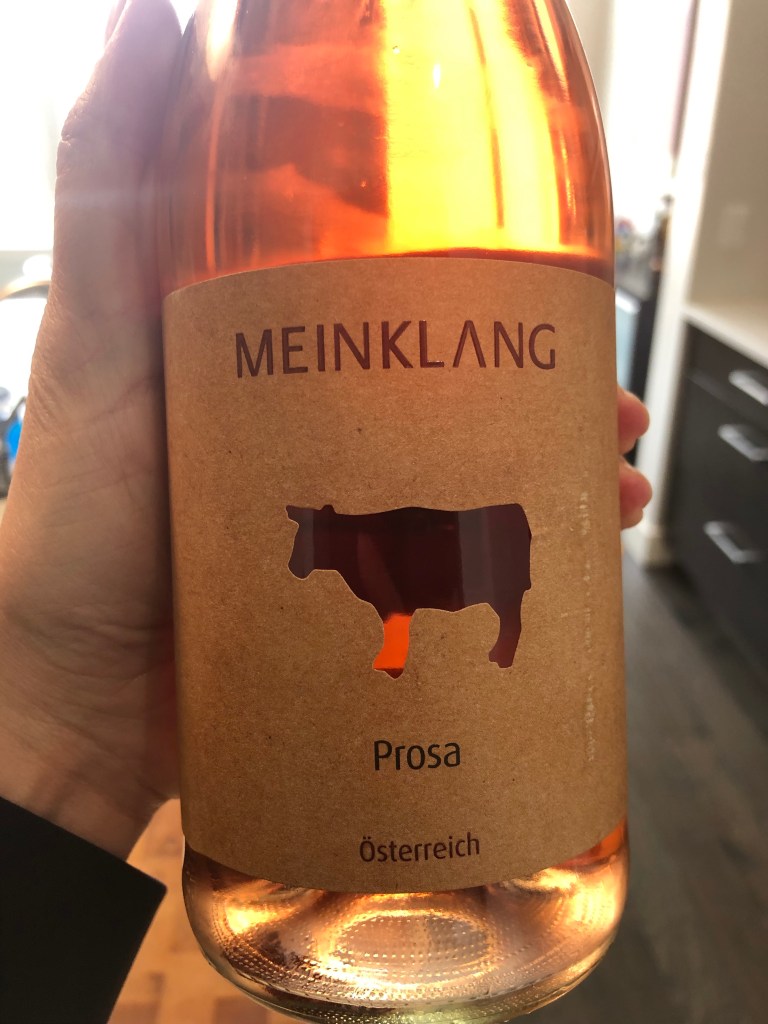
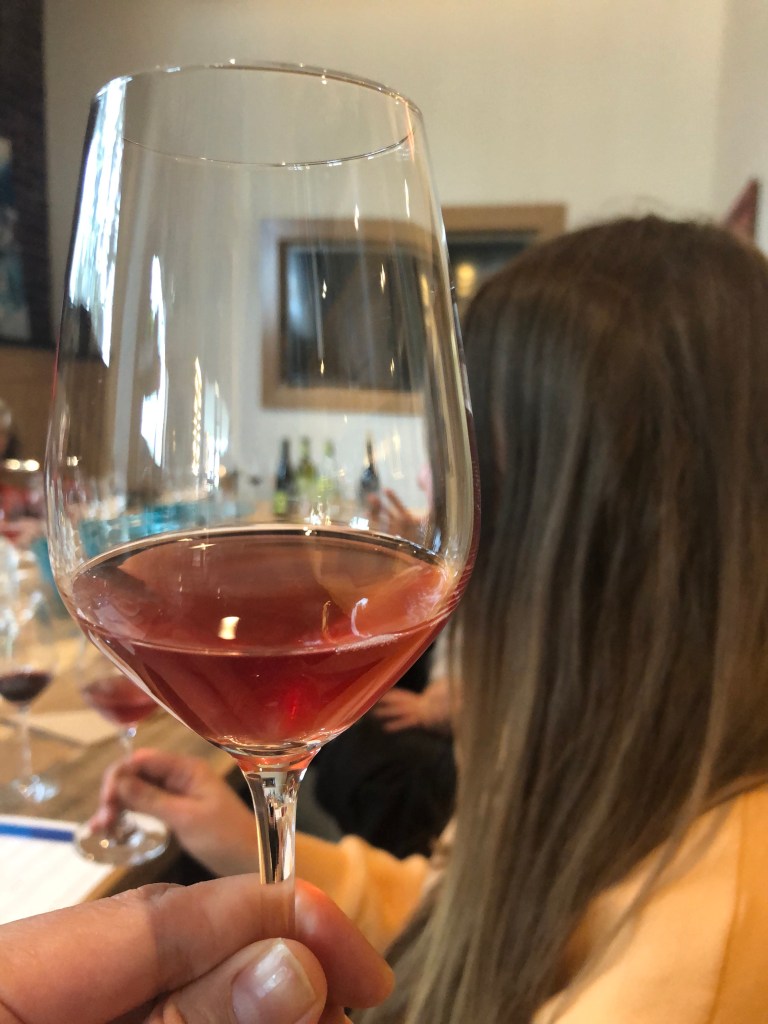
Once we arrived, we sipped on a flute of Prosa, a sparkling rosé. I adore this wine – it’s juicy, bright, yet subtle. I ended up buying two bottles. We sat in a beautiful tasting room, similar in vibe to Vine Arts, where I attended Juice Import’s past wine tastings. I think both venues would be ideal for hosting a team-building event.

We learned that Meinklang is located in Burgenland, Austria, bordering Hungry. Ponds and a lake surround the certified biodynamic family farm. Erik informed us the nearby water takes in the heat and slowly releases it, which helps prevent fluctuation in temperature. He added that it is hard not to like these gentle, charming wines. I agreed, already swooning from the Prosa.

Surprisingly, I was a big fan of the entry-level wines – the Burgenland Weib and Gruner Veltliner. The Burgenland has a unique fragrance. Sunflower thought the wine was scented like lilacs, and she wanted her whole house to smell like it. When asked what he would pair with this wine, Erik, the co-owner of Juice Imports, suggested dill potato salad, smoked trout or mushroom morels. I liked this wine so much that I purchased three bottles.

The Gruner Veltliner was bright and clean. Erik noted there was so much flavour in this light wine, despite being only 11% in alcohol content. He described notes of green apple skins, with texture and freshness to it. Erik mentioned that 60% of the flavour in wine stems from yeast and bacteria rather than the grapes themselves.

Next up was Tag, one of the winery’s “big” wines. Tag is a one-off, meaning Meinklang doesn’t make this wine every year. Erik described this wine as intense but with a softness. This wine woke up my tastebuds with its lip-smacking flavour. Sunflower was a fan – she could taste passionfruit and pineapple, and thought the wine had a bite to it, like a cider.

One of my favourite bottles was Morgen. The fragrance reminded me of roses. The bubbles were tiny, and the flavour was fun to drink. Erik called this a breakfast wine, and said it reminded him of sour cherry. He mentioned this wine is similar to pinot noir in that it is challenging to grow these thin-skinned grapes. I bought a bottle for Sunflower and me to enjoy at a future time.

The next bottle we tasted was Nacht, a rare wine that even Erik hadn’t had the chance to try. The wine smelled like olive oil to me. When Sunflower took a sip, she exclaimed how good it was, similar to mushrooms but in a funky way. Erik described this wine as smelling like cherry blossoms or dank flowers.

I noticed Sunflower appreciated the more unique, expensive bottles. While I enjoyed the experience of the fancier bottles, I preferred the easy pleasantry of the entry-level wines because I could shut my mind off. When I drink, I like to feel the wine rather than think about what I’m tasting. I guess that’s the beauty of a wine tasting, you don’t have to commit to sharing a whole bottle.

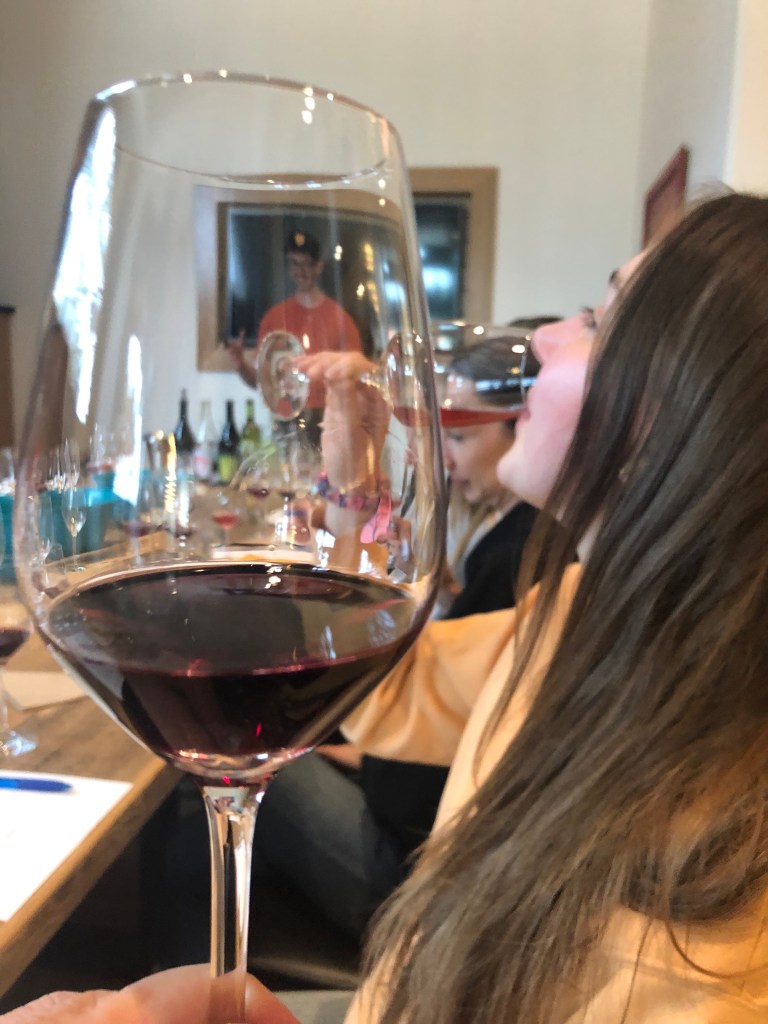
The second last wine we tried was the Burgenland Rot. Sunflower said it smelled like her grandmother’s house. Damn girl, we sure had different experiences growing up. Erik informed us this was his number one selling red wine. He described the Burgenland Rot as a soft, gentle, picnic wine. I enjoyed this red wine, but preferred the white wines. For me, it’s a harder challenge to find good white wine at a reasonable price than red wine.

For our last tasting, Erik surprised us with an orange wine from 2018, made with 100% pinot gris grapes. I admired the soft, peachy colour. Sunflower is into orange wines and noted that this older vintage tasted quite different from a newer vintage she recently tried from Meinklang.

There was one interesting fact Erik told us that really got my attention. Fifty percent of Meinklang wines go to Whole Foods for their house wine. The next time I’m in Seattle, I’m picking up some Whole Foods house white wine.

Meinklang wines are now my go-to, not only because the wines are freaking fantastic but also because this winery offers such incredible value. The wines we tried ranged from $26 to $55, with my favourite ones being the entry-level wines. I think it’s a win-win to support producers doing beautiful things for the environment and sustainability that also charge the same price as wineries that produce less delicious unethical wines.

Thank you, Erik, for hosting such a fun tasting, and Sunflower, for being my new wine partner in crime. I look forward to future Juice Import tastings.

Restaurants · Wine tasting

Gut Oggau Wine Tasting – Vine Arts

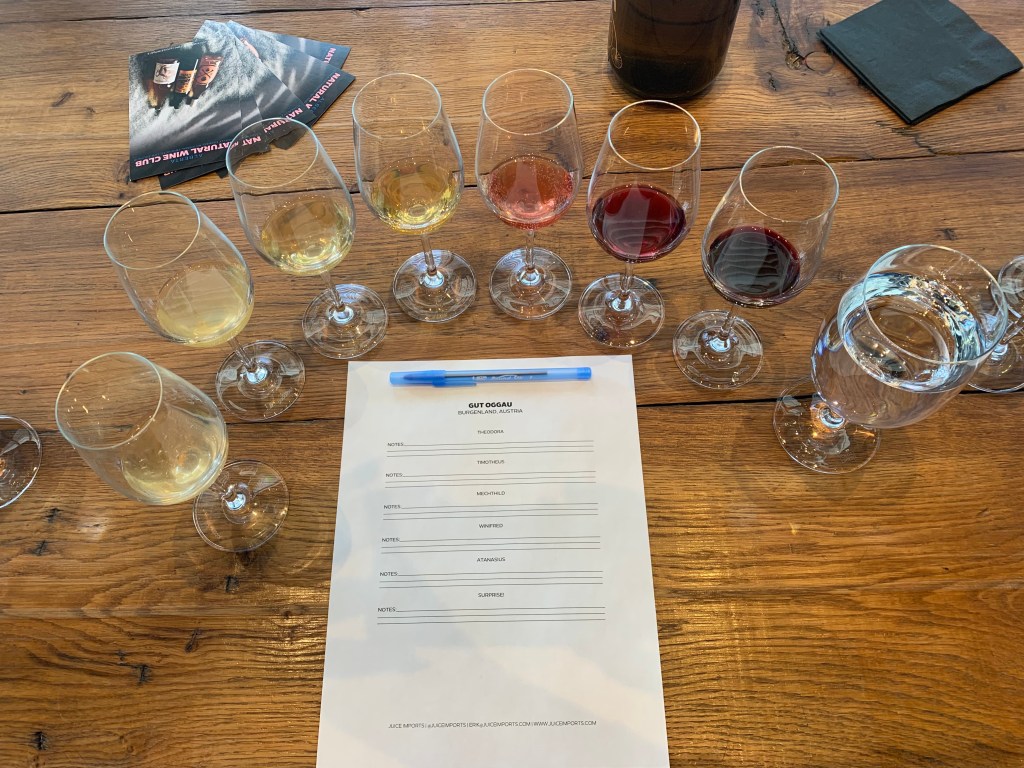
Lately, one of my favourite things to do is to learn about wines from Erik, one of the owners of Juice Imports. On Sunday, he hosted a wine tasting ($30) to try all the Gut Oggau wines in stock and some unique gems from their cellar. Let’s listen to “Strawberry Wine” by Deana Carter for this post.

Our class started with a glass of sparkling organic cider from the Okanagan. The cider was fresh and bright. I bought a bottle for my neighbour, who recently became my dog’s godmother.

Located south of Vienna, Erik informed us Gut Oggau was one of the first wineries he ever signed. He fell in love with the uniqueness and personality of the wines. He considers the husband and wife team – Stephanie and Eduard – some of the most thoughtful winemakers dedicated to the land and their employees. For example, the owners pay their six full-time workers year-round rather than seasonally, so the employees can experience how the wines sleep in the winter and wake in the spring. As a result, the prices of their wines reflect this philosophy.

Erik mentioned that Theodora (2020, $50) was the winery’s entry-level wine. Yikes, I would never want to host a dinner party for Stephanie and Eduard. The cloudy yellow hue reminded me of chicken stock. My friend Bubbles said she could taste citrus.

We learned two interesting facts. First, Gut Oggau produces its wines without any sulphur, and second, sulphur doesn’t cause headaches. People get headaches from wine due to the alcohol or a reaction to the tannins. I wanted to pipe up and add that people also get headaches from excess drinking, but I read the room and decided to keep my thoughts private.

Photo Credit: @miss_minds

Next up was the Timotheus (2018, $79). Erik said in all of Alberta, and there are only 24 bottles of Timotheus. The vines are planted in complex soil, such as slate, sand, gravel and limestone. The texture and flavour sent shivers down my spine as the liquid tingled on my tongue. Erik described this wine as having intense character, with umami notes of white truffle.

The Mechthild ($158) we tried was sold out, which was fine with me as this wine was beyond my budget. Erik noted that the vines produced a low yield but produced the cleanest and highest quality grapes using a crazy, archaic process called a tree press. The person sitting in front of me described the colour as sunshine gold, with a gorgeous glow. I was jealous that I didn’t come up with that description myself.

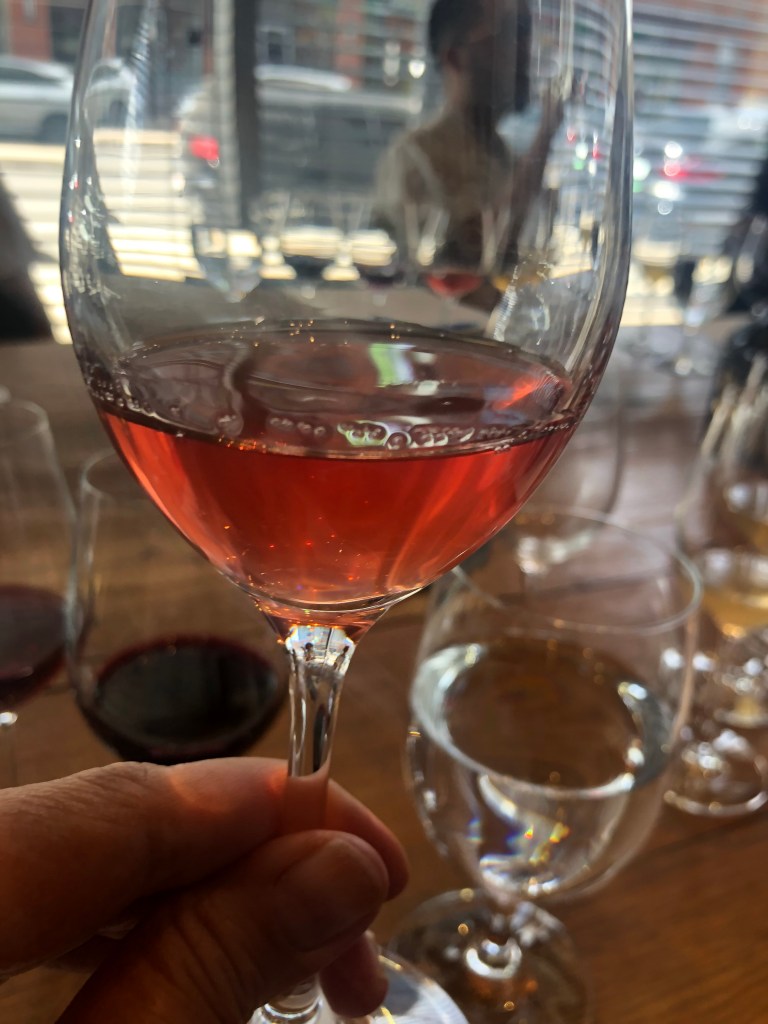
My favourite wine was Winifred ($48). At first, I didn’t realize this wine was a rose. The texture was silky, with an aftertaste of fresh strawberries. My friend Bubbles said the gentle tartness reminded her of crab apples. I enjoyed this wine so much that I bought it for my next girls’ night with Kournikova, Quebecoise, and Betty.

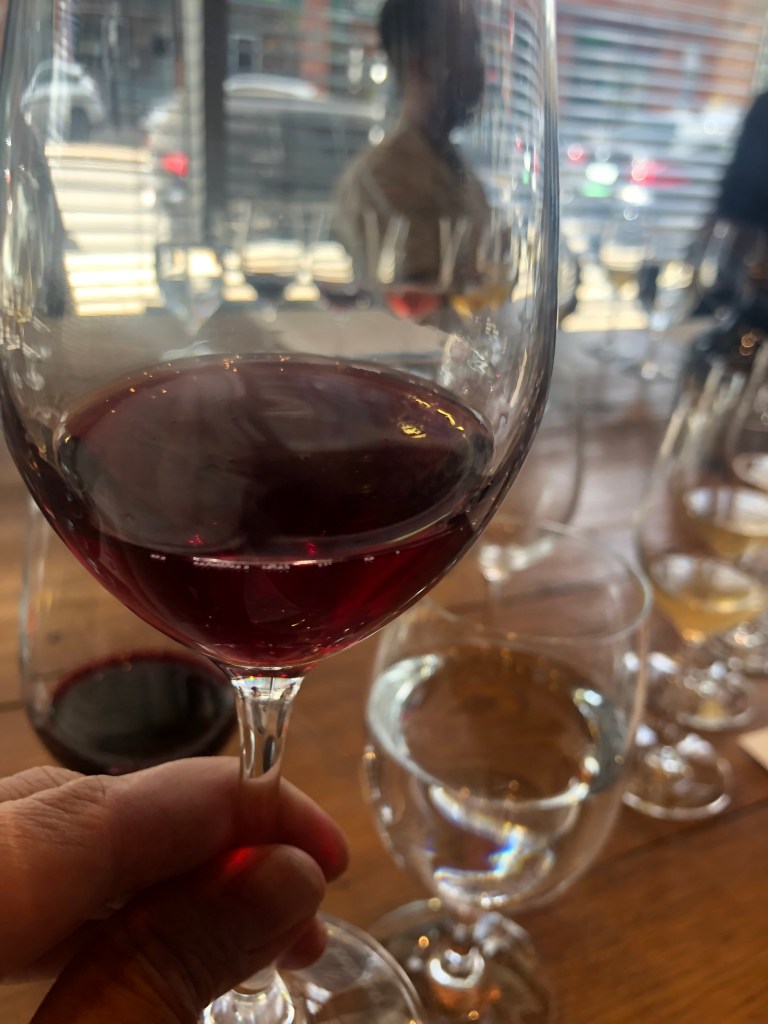
The last wine we tried was the Athanasius (2020, $51). We learned this was the most planted grape in the winery. The vines are 38 to 40 years old. Erik described this wine as fresh and intense, aged in old Austrian oak. We marvelled at the dark, ruby red colour and the high viscosity. Erik mentioned the flesh of the grapes is red, which is rare as most red wines are made with white-coloured fruit.
I could tell these wines spoke to Erik, who said each wine tasted alive, soft and supple. This wine tasting was dirt-cheap, particularly for these wines. Erik himself rarely gets to try these bottles, so it was a luxurious treat for everyone. I enjoyed every wine I tried, though I got the impression from Erik’s physical and verbal reaction from drinking each wine that I didn’t fully grasp the greatness of these wines. Though I was out of my element, I was fine with it. I’m more comfortable with pearls being cast upon me than being a pig at a trough. I’ve recently signed up at Grand Cru Wine Society in the hopes of learning more about wine and food pairings.