Restaurants · Wine tasting

Calgary Wine Tasting: Meinklang by Juice Imports

Sunflower brought over a beautiful wine from Meinklang for me to try. The next day, I saw Juice Imports was hosting a Meinklang tasting ($20) at Bricks Wine Company. I took this as a sign and snapped up two tickets. For this post, let’s listen to “Hang Me Up To Dry” by Cold War Kids.

A thoughtful employee from Bricks Wine Company called me before the tasting to remind me of a marathon in Inglewood, which shut down several main streets. She suggested a roundabout way to access the wine store. I promptly informed Books, Sunflower’s fiancé, who was dropping us off. I offered to book an Uber back, but Sunflower mentioned that with Covid, Books prefers her not to take public transportation or Uber. He kindly came and got us after the event.
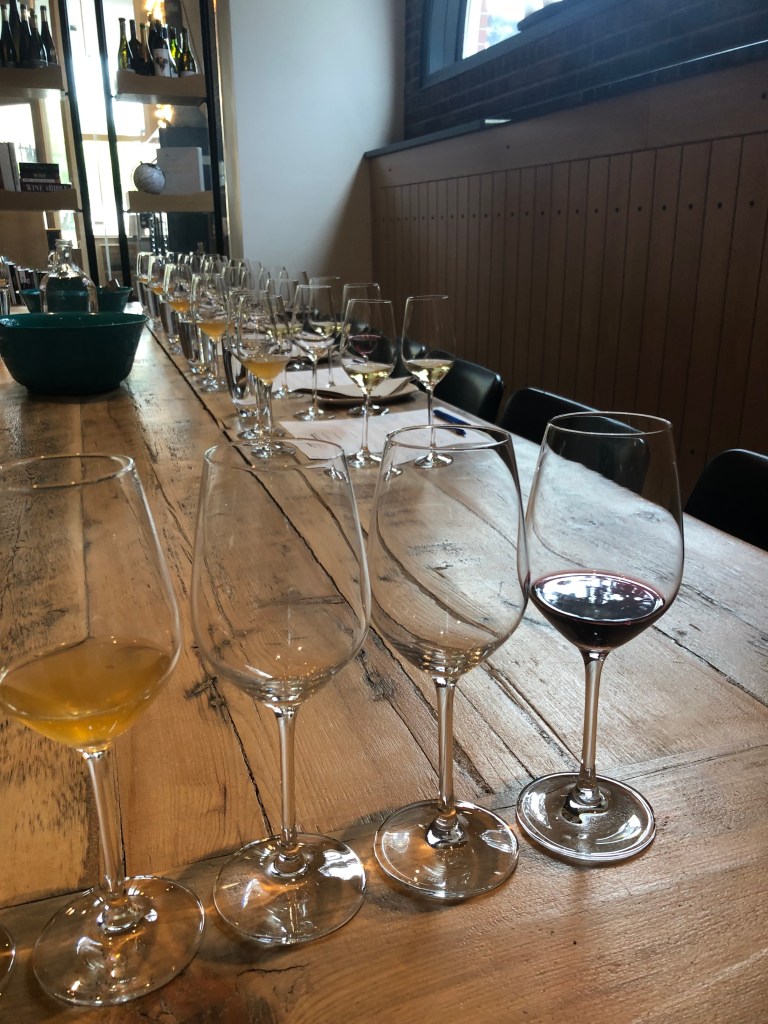
Once we arrived, we sipped on a flute of Prosa, a sparkling rosé. I adore this wine – it’s juicy, bright, yet subtle. I ended up buying two bottles. We sat in a beautiful tasting room, similar in vibe to Vine Arts, where I attended Juice Import’s past wine tastings. I think both venues would be ideal for hosting a team-building event.
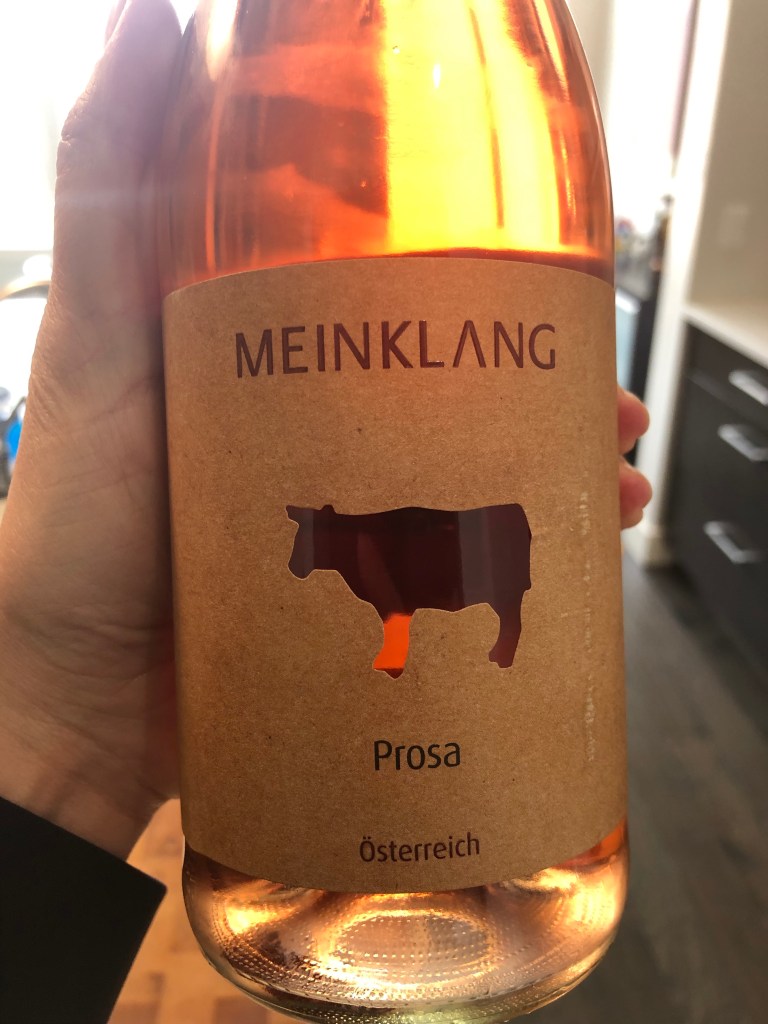
We learned that Meinklang is located in Burgenland, Austria, bordering Hungry. Ponds and a lake surround the certified biodynamic family farm. Erik informed us the nearby water takes in the heat and slowly releases it, which helps prevent fluctuation in temperature. He added that it is hard not to like these gentle, charming wines. I agreed, already swooning from the Prosa.

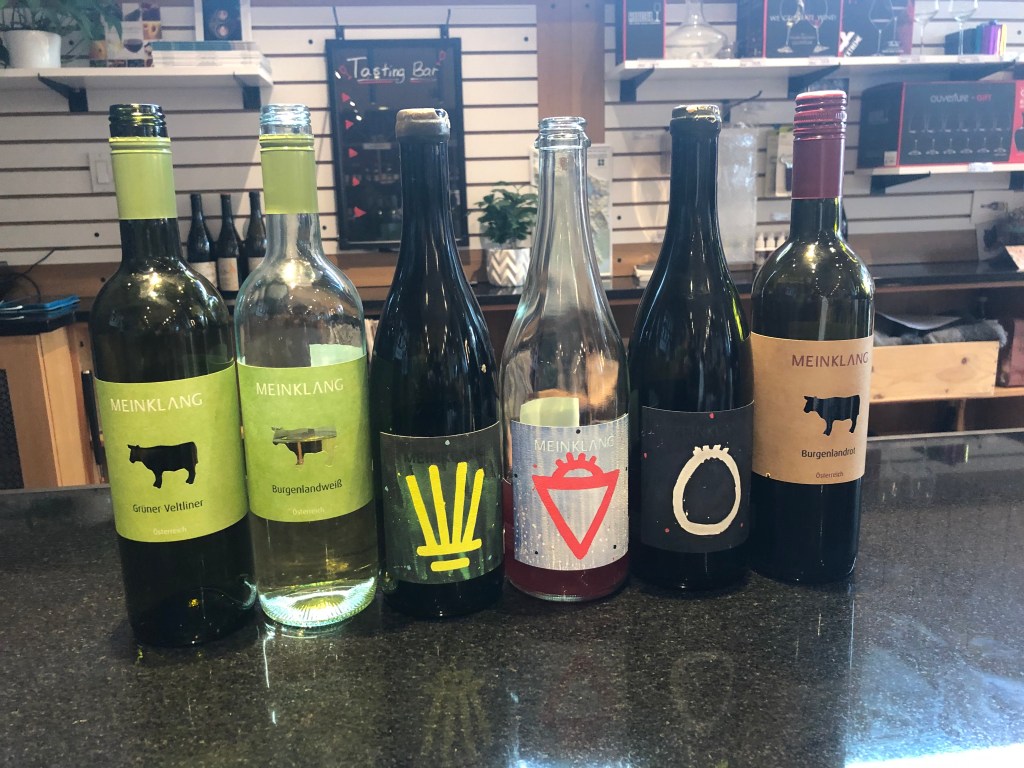
Surprisingly, I was a big fan of the entry-level wines – the Burgenland Weib and Gruner Veltliner. The Burgenland has a unique fragrance. Sunflower thought the wine was scented like lilacs, and she wanted her whole house to smell like it. When asked what he would pair with this wine, Erik, the co-owner of Juice Imports, suggested dill potato salad, smoked trout or mushroom morels. I liked this wine so much that I purchased three bottles.

The Gruner Veltliner was bright and clean. Erik noted there was so much flavour in this light wine, despite being only 11% in alcohol content. He described notes of green apple skins, with texture and freshness to it. Erik mentioned that 60% of the flavour in wine stems from yeast and bacteria rather than the grapes themselves.
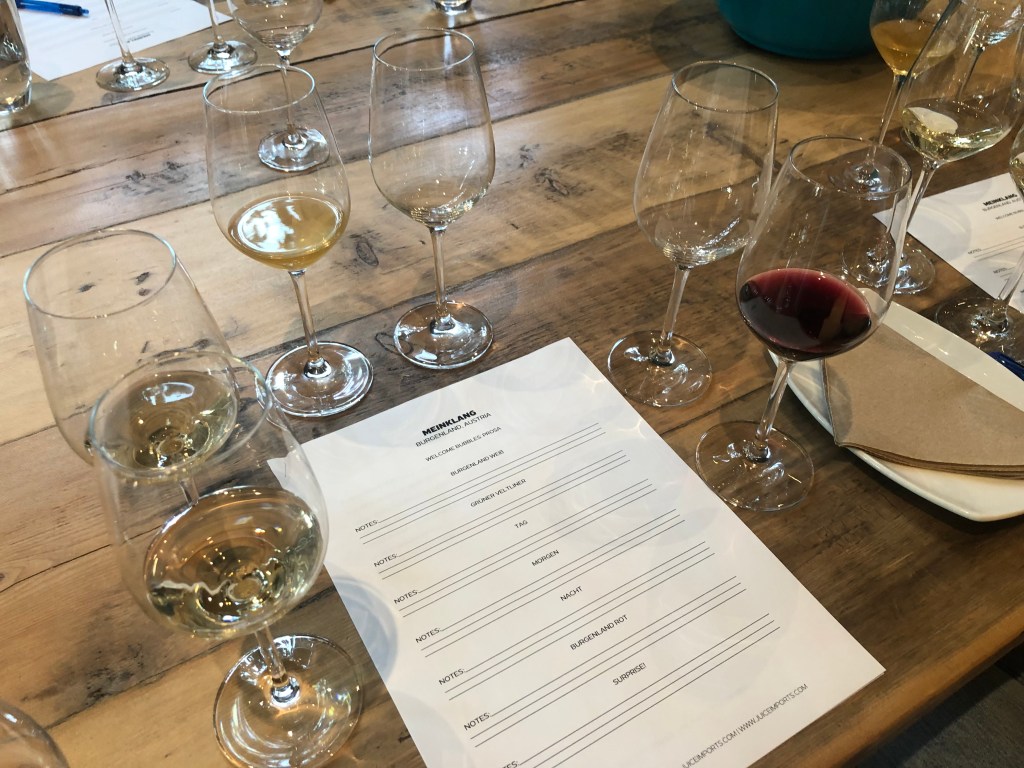
Next up was Tag, one of the winery’s “big” wines. Tag is a one-off, meaning Meinklang doesn’t make this wine every year. Erik described this wine as intense but with a softness. This wine woke up my tastebuds with its lip-smacking flavour. Sunflower was a fan – she could taste passionfruit and pineapple, and thought the wine had a bite to it, like a cider.
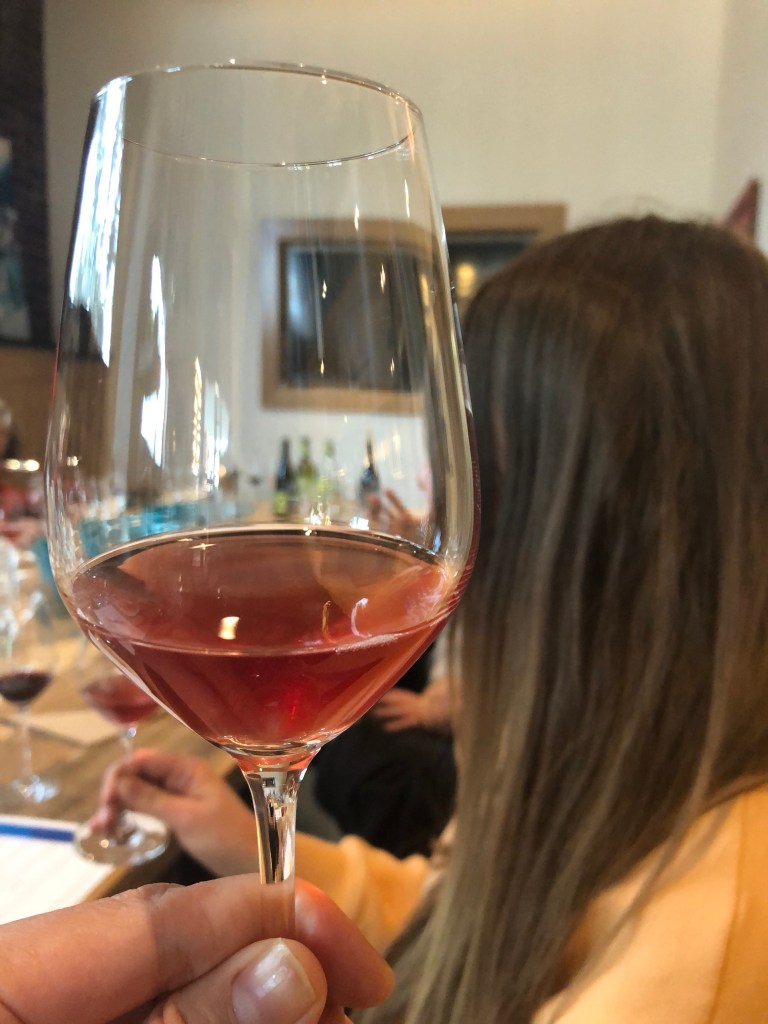
One of my favourite bottles was Morgen. The fragrance reminded me of roses. The bubbles were tiny, and the flavour was fun to drink. Erik called this a breakfast wine, and said it reminded him of sour cherry. He mentioned this wine is similar to pinot noir in that it is challenging to grow these thin-skinned grapes. I bought a bottle for Sunflower and me to enjoy at a future time.

The next bottle we tasted was Nacht, a rare wine that even Erik hadn’t had the chance to try. The wine smelled like olive oil to me. When Sunflower took a sip, she exclaimed how good it was, similar to mushrooms but in a funky way. Erik described this wine as smelling like cherry blossoms or dank flowers.

I noticed Sunflower appreciated the more unique, expensive bottles. While I enjoyed the experience of the fancier bottles, I preferred the easy pleasantry of the entry-level wines because I could shut my mind off. When I drink, I like to feel the wine rather than think about what I’m tasting. I guess that’s the beauty of a wine tasting, you don’t have to commit to sharing a whole bottle.
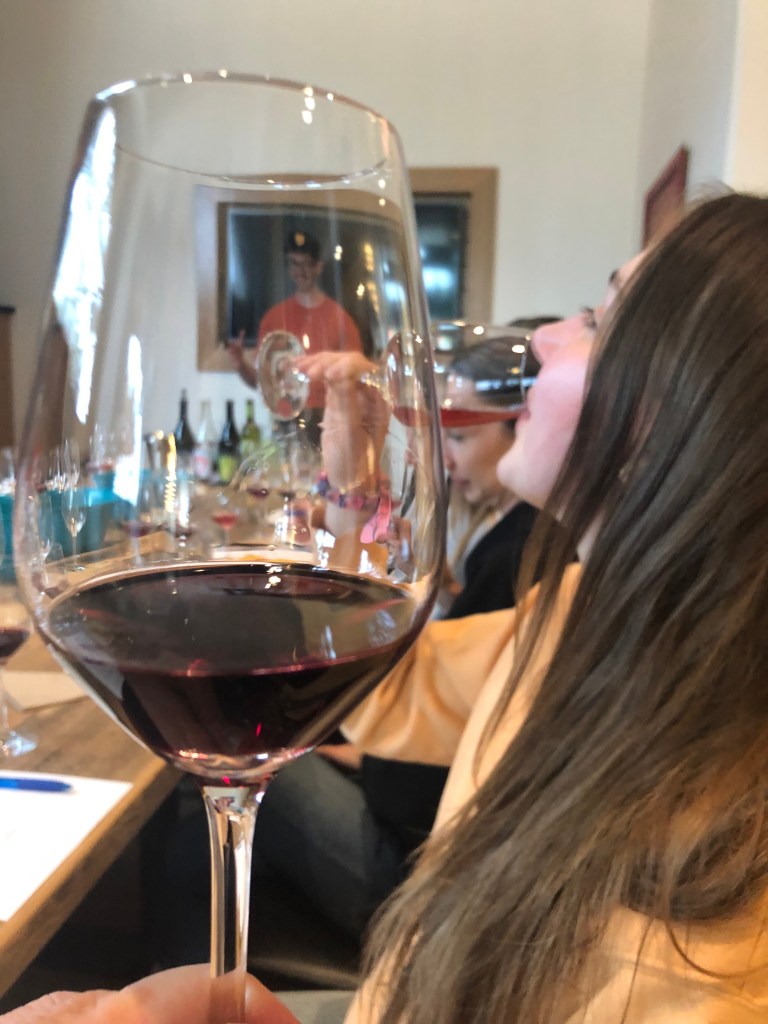
The second last wine we tried was the Burgenland Rot. Sunflower said it smelled like her grandmother’s house. Damn girl, we sure had different experiences growing up. Erik informed us this was his number one selling red wine. He described the Burgenland Rot as a soft, gentle, picnic wine. I enjoyed this red wine, but preferred the white wines. For me, it’s a harder challenge to find good white wine at a reasonable price than red wine.

For our last tasting, Erik surprised us with an orange wine from 2018, made with 100% pinot gris grapes. I admired the soft, peachy colour. Sunflower is into orange wines and noted that this older vintage tasted quite different from a newer vintage she recently tried from Meinklang.

There was one interesting fact Erik told us that really got my attention. Fifty percent of Meinklang wines go to Whole Foods for their house wine. The next time I’m in Seattle, I’m picking up some Whole Foods house white wine.

Meinklang wines are now my go-to, not only because the wines are freaking fantastic but also because this winery offers such incredible value. The wines we tried ranged from $26 to $55, with my favourite ones being the entry-level wines. I think it’s a win-win to support producers doing beautiful things for the environment and sustainability that also charge the same price as wineries that produce less delicious unethical wines.
Thank you, Erik, for hosting such a fun tasting, and Sunflower, for being my new wine partner in crime. I look forward to future Juice Import tastings.

Want more wine tastings? I keep a running list of Calgary wine tastings and events.

Restaurants · Wine tasting

Gut Oggau Wine Tasting at Vine Arts Calgary (Juice Imports Event)

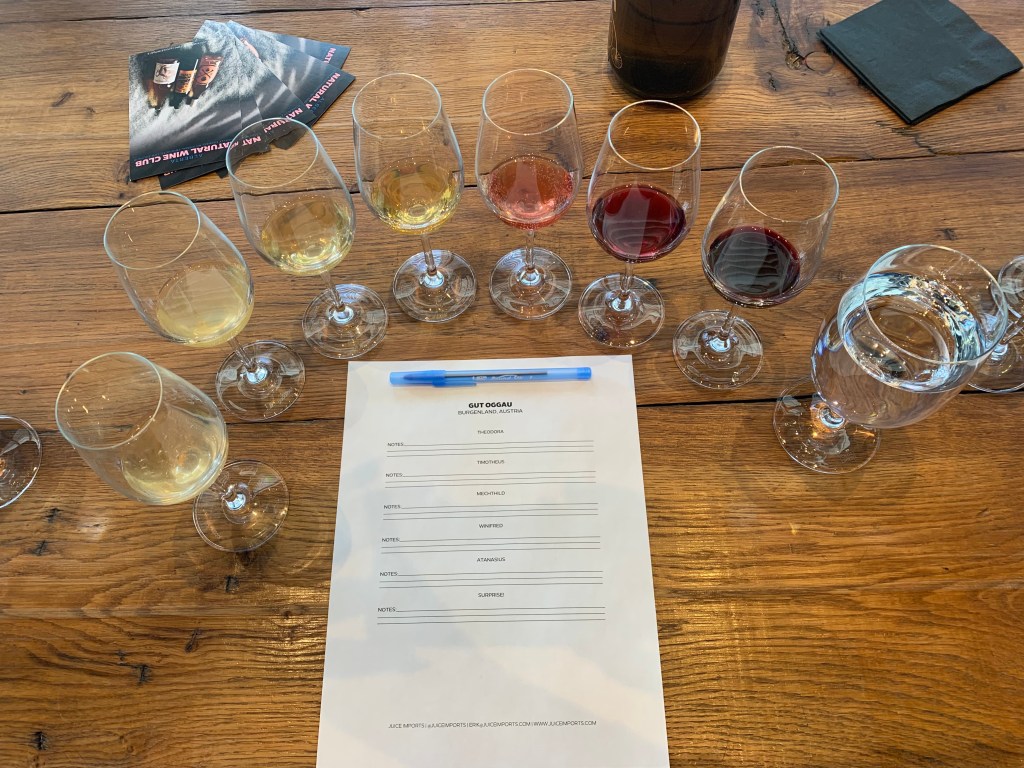
Lately, one of my favourite things to do is to learn about wines from Erik, one of the owners of Juice Imports. On Sunday, he hosted a wine tasting ($30) to try all the Gut Oggau wines in stock and some unique gems from their cellar. Let’s listen to “Strawberry Wine” by Deana Carter for this post.

Our class started with a glass of sparkling organic cider from the Okanagan. The cider was fresh and bright. I bought a bottle for my neighbour, who recently became my dog’s godmother.

Located south of Vienna, Erik informed us Gut Oggau was one of the first wineries he ever signed. He fell in love with the uniqueness and personality of the wines. He considers the husband and wife team – Stephanie and Eduard – some of the most thoughtful winemakers dedicated to the land and their employees. For example, the owners pay their six full-time workers year-round rather than seasonally, so the employees can experience how the wines sleep in the winter and wake in the spring. As a result, the prices of their wines reflect this philosophy.

Erik mentioned that Theodora (2020, $50) was the winery’s entry-level wine. Yikes, I would never want to host a dinner party for Stephanie and Eduard. The cloudy yellow hue reminded me of chicken stock. My friend Bubbles said she could taste citrus.

We learned two interesting facts. First, Gut Oggau produces its wines without any sulphur, and second, sulphur doesn’t cause headaches. People get headaches from wine due to the alcohol or a reaction to the tannins. I wanted to pipe up and add that people also get headaches from excess drinking, but I read the room and decided to keep my thoughts private.

Photo Credit: @miss_minds

Next up was the Timotheus (2018, $79). Erik said in all of Alberta, and there are only 24 bottles of Timotheus. The vines are planted in complex soil, such as slate, sand, gravel and limestone. The texture and flavour sent shivers down my spine as the liquid tingled on my tongue. Erik described this wine as having intense character, with umami notes of white truffle.

The Mechthild ($158) we tried was sold out, which was fine with me as this wine was beyond my budget. Erik noted that the vines produced a low yield but produced the cleanest and highest quality grapes using a crazy, archaic process called a tree press. The person sitting in front of me described the colour as sunshine gold, with a gorgeous glow. I was jealous that I didn’t come up with that description myself.

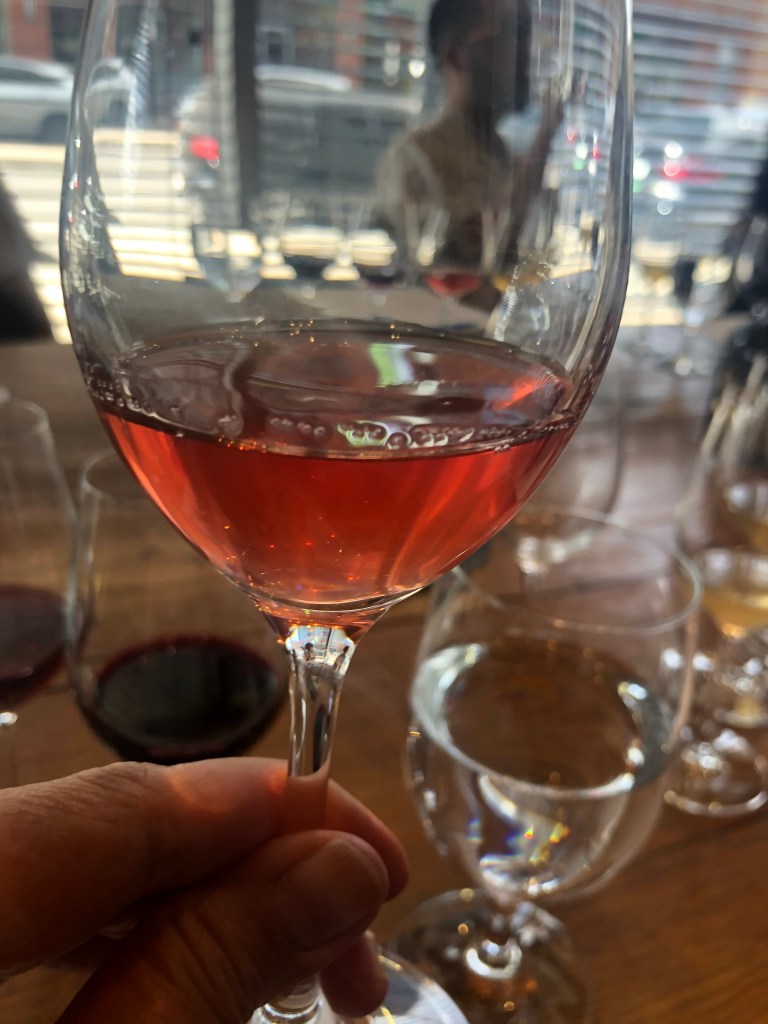
My favourite wine was Winifred ($48). At first, I didn’t realize this wine was a rose. The texture was silky, with an aftertaste of fresh strawberries. My friend Bubbles said the gentle tartness reminded her of crab apples. I enjoyed this wine so much that I bought it for my next girls’ night with Kournikova, Quebecoise, and Betty.

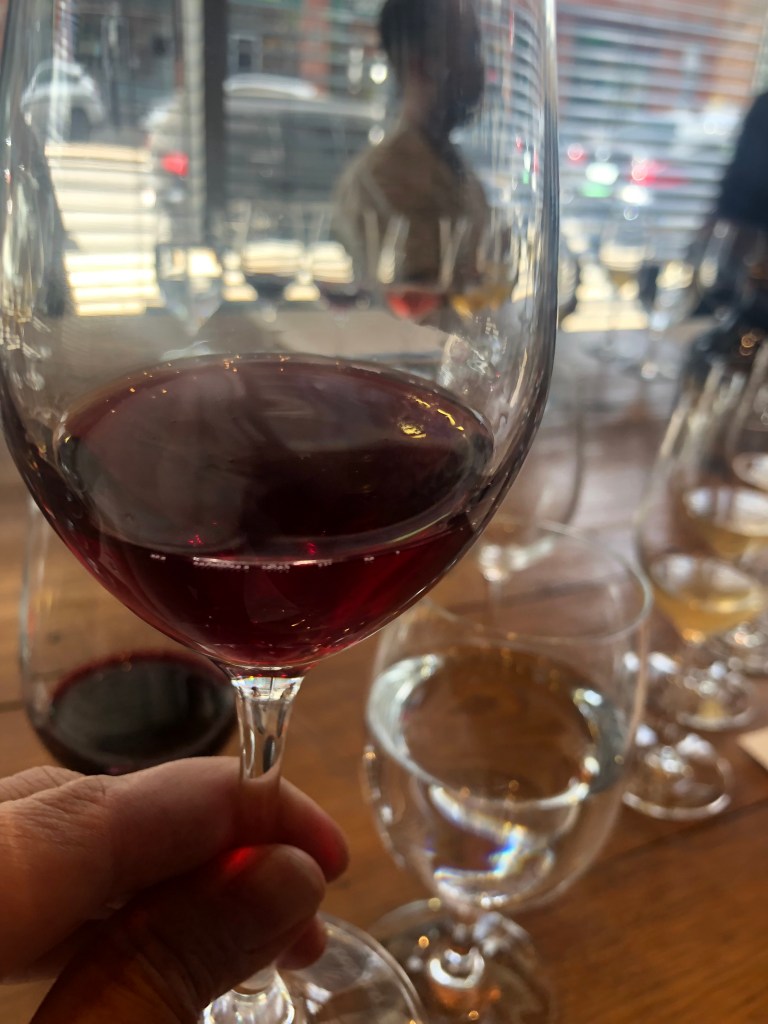
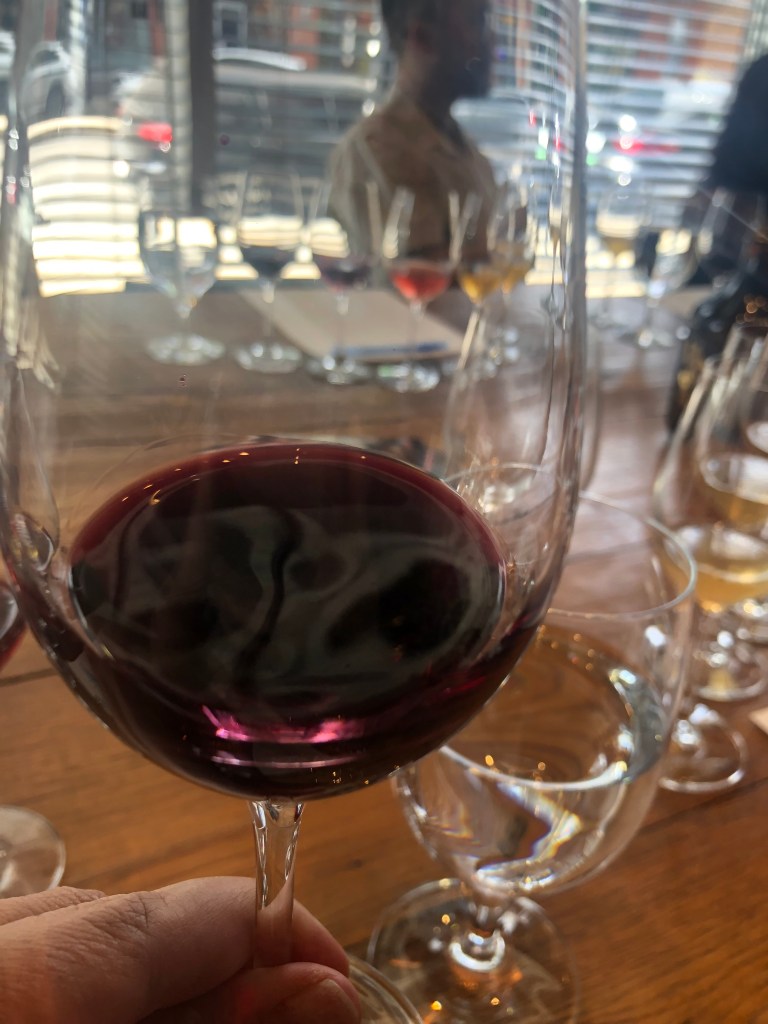
The last wine we tried was the Athanasius (2020, $51). We learned this was the most planted grape in the winery. The vines are 38 to 40 years old. Erik described this wine as fresh and intense, aged in old Austrian oak. We marvelled at the dark, ruby red colour and the high viscosity. Erik mentioned the flesh of the grapes is red, which is rare as most red wines are made with white-coloured fruit.

I could tell these wines spoke to Erik, who said each wine tasted alive, soft and supple. This wine tasting was dirt-cheap, particularly for these wines. Erik himself rarely gets to try these bottles, so it was a luxurious treat for everyone. I enjoyed every wine I tried, though I got the impression from Erik’s physical and verbal reaction from drinking each wine that I didn’t fully grasp the greatness of these wines. Though I was out of my element, I was fine with it. I’ve recently signed up at Grand Cru Wine Society in the hopes of learning more about wine and food pairings.

Want more wine tastings? I keep a running list of Calgary wine tastings and events.

Restaurants · Wine tasting

Vine Arts Calgary Wine Tasting: Domaine des Marnes Blanches by Juice Imports

I’m getting tired of my usual rotation of wines. I also want to find some mind-blowing wines for my upcoming dinner parties. I’ve been looking to increase my wine exposure and stumbled across a post through Vine Arts and Juice Imports about an upcoming Domaine des Marnes Blanches wine tasting event ($30). I snagged the last two tickets and brought my friend Bubbles. Let’s listen to “Ma Rue Fera Echo” by Doux si Doux for this post.

Erik Mercier featured 2020 wines of Domaine des Marnes Blanches from the alpine region of Jura, France. For this tasting, the cost of our tickets went to pay for the bottles we drank. Mercier said this was an inexpensive way for everyone to try wines that would usually be outside of their everyday wine budget. Also, since he exported these wines, it allowed him to share what he loves about the region and winery.

We learned that Jura is the rainiest region in France. The winery produces organic wines using a natural wild fermented process that creates lively, vibrant wines.

The first wine we tried was the Trousseau, a bright, fresh and juicy red wine. The colour was a light, bright red. Mercier described the flavour as a glossy berry with superb viscosity and a creaminess from the bacteria. He recommended drinking this wine while it was young. This bottle wouldn’t last a week in my household.

Next was the Pinot Noir. As Mercier took a sip, he shook his head in amazement and exclaimed, “Dang! This is a good wine!” He informed us this wine is similar to a Burgundy. He went into detail about the grape and the vines, but I lost focus because I started feeling a little tipsy and I stopped taking notes.

One of my favourite wines is the Chardonnay Les Molates. According to Mercier, this is the most planted vine at the winery. He stated Marnes Blanches uses the whole stems and clusters of grapes in the fermentation process, which acts as a channel to filter the juice. As a result, the lattice creates a clean, fresh juice that retains its acidity.

I loved how the chardonnay danced on my tongue. Mercier mentioned this wine drinks like a classic burgundy, but at half price. He said this wine was stupidly good, with surreal value. I bought a bottle to share with Wonderland and Double 07.

My second favourite wine was the Savagnin En Jensillard. I almost passed out from the heady smell of this wine. What a pretty, intense aroma! If I could bottle up infatuation, it would taste like the Savagnin En Jensillard. Mercier said this wine would pair with a Szechuan dish or spicy Thai food. I also bought this bottle for my upcoming dinner party.

Next up was the Chardonnay Les Molates. Mercier noted this variety was indigenous to Jura. A founder grape, the vine flowers early and ripens late while retaining its acidity. The result is a freshness similar to jasmine and stone fruit.

Our second last wine was the Chardonnay Sous Voille. This wine smelled like a sherry or port. Mercier mentioned this it was hard to describe, and often people are put off if they can’t put into words the flavour of the wine.

The last wine we tried was the Vin de Paille, a sweet, dry wine. He mentioned that some of his guests claim they don’t like sweet wines, but will drink soda and junk food.

Many of the wines we tried were available in quantities of three or five. I asked Mercier if they only had three bottles to sell and five customers who want them, who gets them? He responded it was first come, first serve. I would not describe myself as an aggressive person, but at that moment, I decided to jump up and sprint across the room, much like a quarterback or wide receiver. The heart wants what it wants, and I desired those wines.

I am going to make these Vine Arts events a regular part of my schedule. I can’t think of a better way to spend an afternoon than learning about delicious wines taught by a passionate and non-pretentious wine guide. Hitting the Sauce gives Mercier two phat thumbs up.

Want more wine tastings? I keep a running list of Calgary wine tastings and events.