Restaurants · Wine tasting

Mikko Alkio of Clos Alkio – Vine Arts

On Wednesday, Divine Offering and I went to a wine tasting at Vine Arts – Meet the Maker – Mikko Alkio of Clos Alkio. For this post, let’s listen to Caminito a Motel.

We checked out Sound Bar before the tasting. It’s a cozy, dimly lit space reminiscent of a chic basement. I was early and walked up to someone I thought was Divine Offering. After the woman told me she was not Divine Offering, I noticed she wasn’t even of the same ethnicity. This isn’t the first time I’ve made an error like this. Face blindness is a real thing.

Photo Credit: Divine Offering

Divine Offering texted me and asked me if I was inside. Yes, of course, I responded. Why would I wait outside in -25 weather? It turned out that someone had locked the door, and she couldn’t get in. When I went to open the door, another customer next to her yelled at me for locking him out. I responded indignantly that I didn’t lock him out. I was letting him in! He apologized.
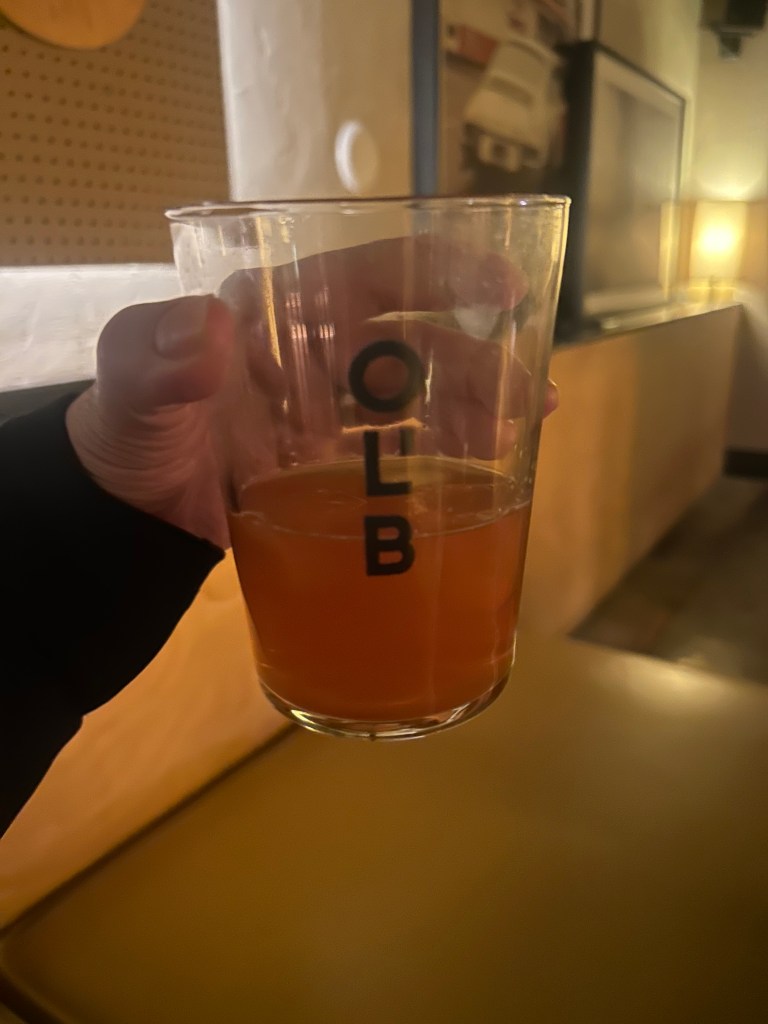
I’m a big fan of the hard iced tea ($7) —it’s bubbly, full of rich black tea notes, and perfectly sweet without overpowering the tea flavour. Divine Offering tried a blood orange beer ($5), and for her second drink, she went for the non-alcoholic Bees Knees cocktail, which she loved. Divine Offering liked that the music was at just the right volume—not too loud. She also mentioned wanting to come back to try their snacks.
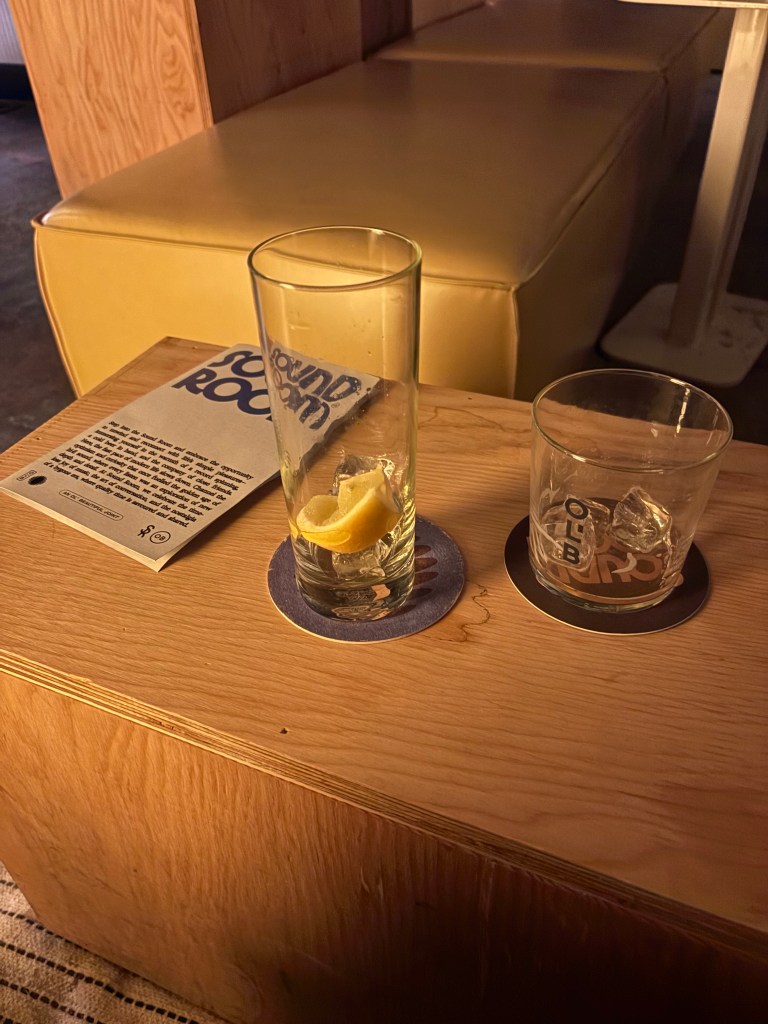
Photo Credit: Divine Offering

Right on time, we walked across the street to Vine Arts. Mikko, the winemaker, is from Finland. We learned that he’s familiar with Calgary. As a youth, he did a homestay in Calgary, where the hosts became like a second family.
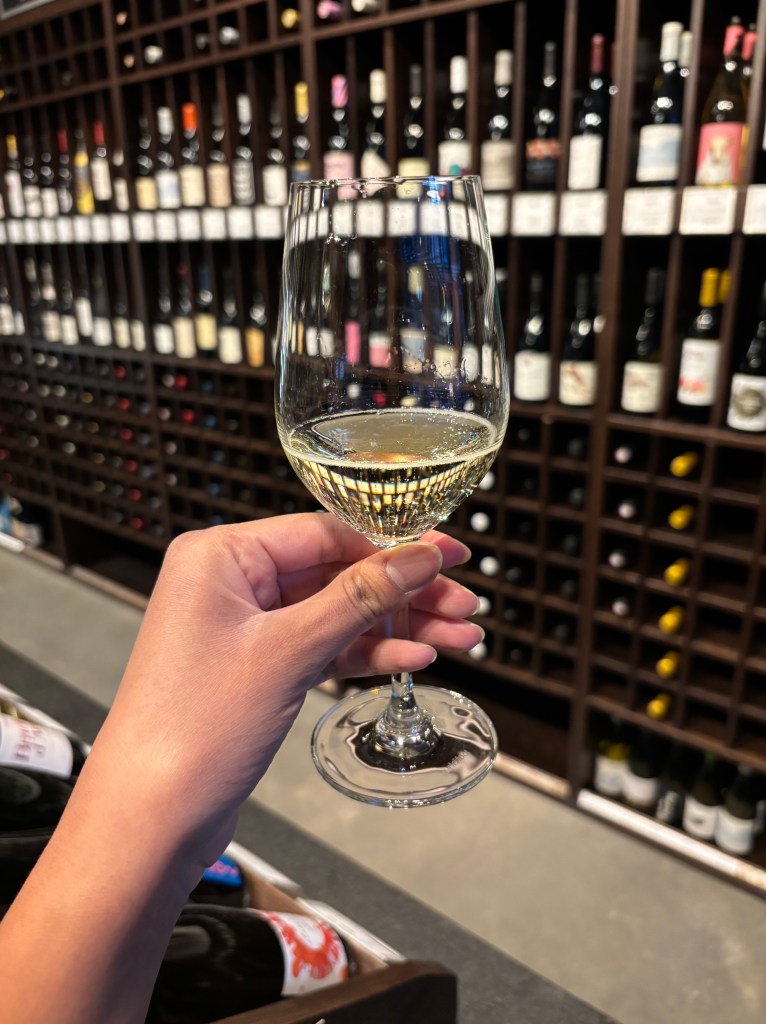
Photo credit: Divine Offering

His passion for wine became a business when he and his family moved to Barcelona so his three kids could immerse themselves in the city’s tennis scene. As there were no iPhones at the time to distract him, he developed a deep appreciation for Spanish wines. Despite being a partner at a law firm in Finland, he also chose to create a side hustle as the proprietor of a world-class winery in Priorat, Spain.
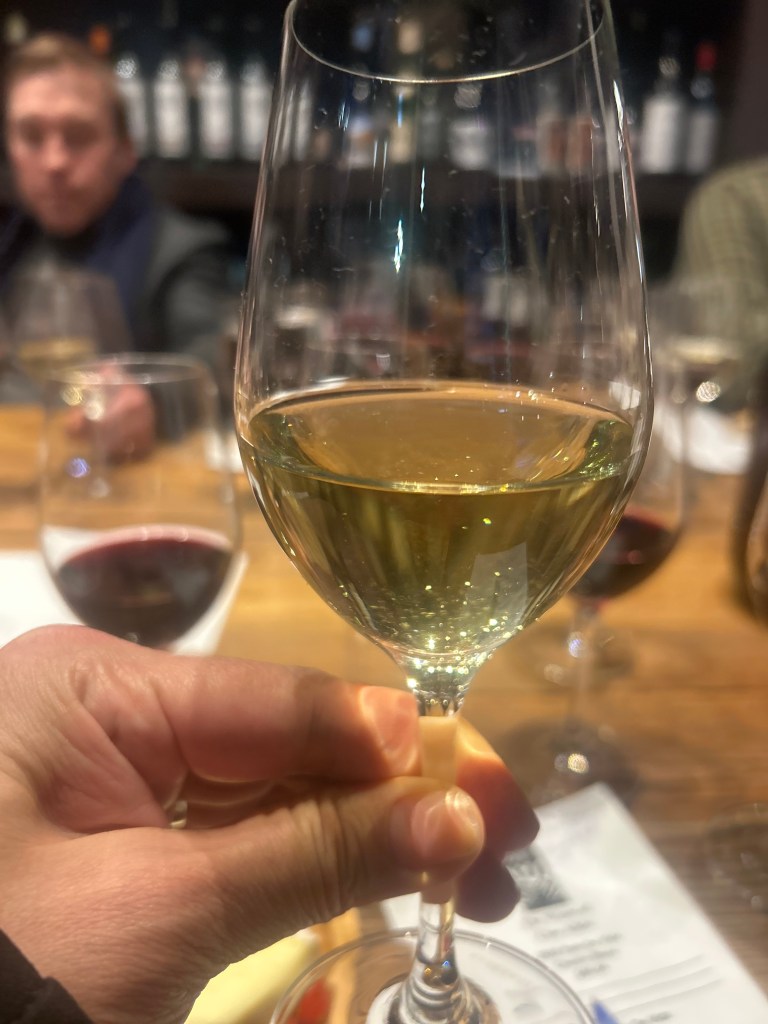
The first wine we tried in his line-up was Fam de Vida Chenin Blanc 2022 ($60.54). I found this wine fresh and clean, with a non-typical sweetness. Mikko noted that 14% of the wine was produced in high-quality inox tanks, with no oak aging, producing 900 bottles. Mikko said to wait eight to 10 years for the wine to mature. Divine Offering loved this wine so much that she purchased a bottle.
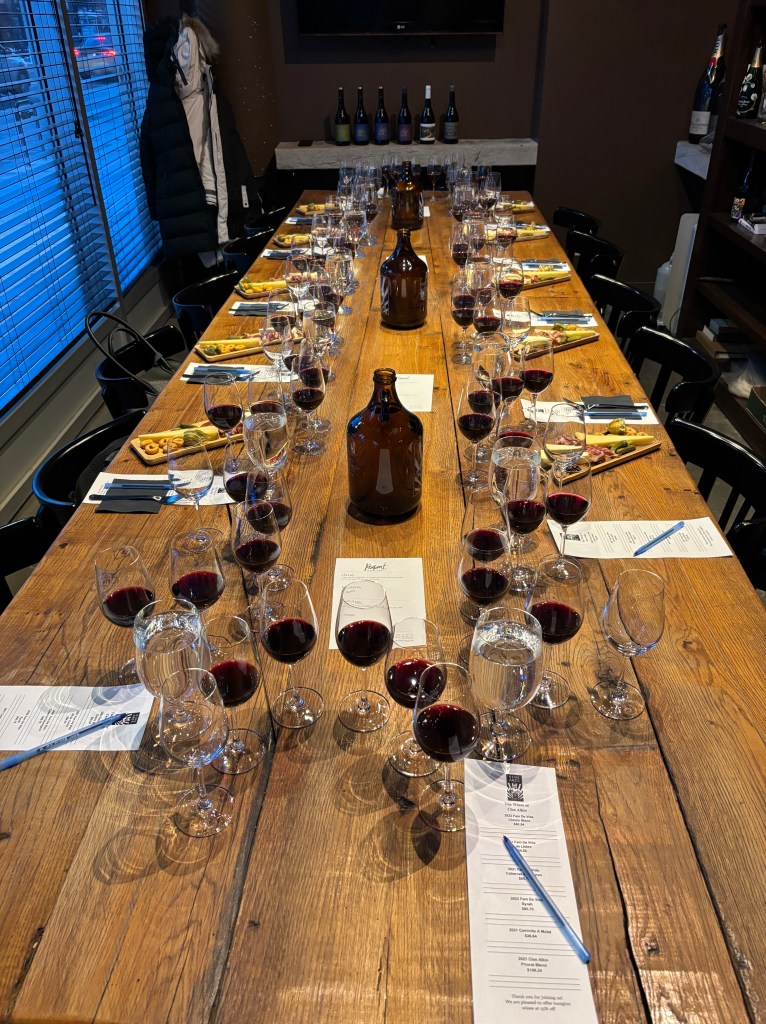
Photo credit: Divine Offering

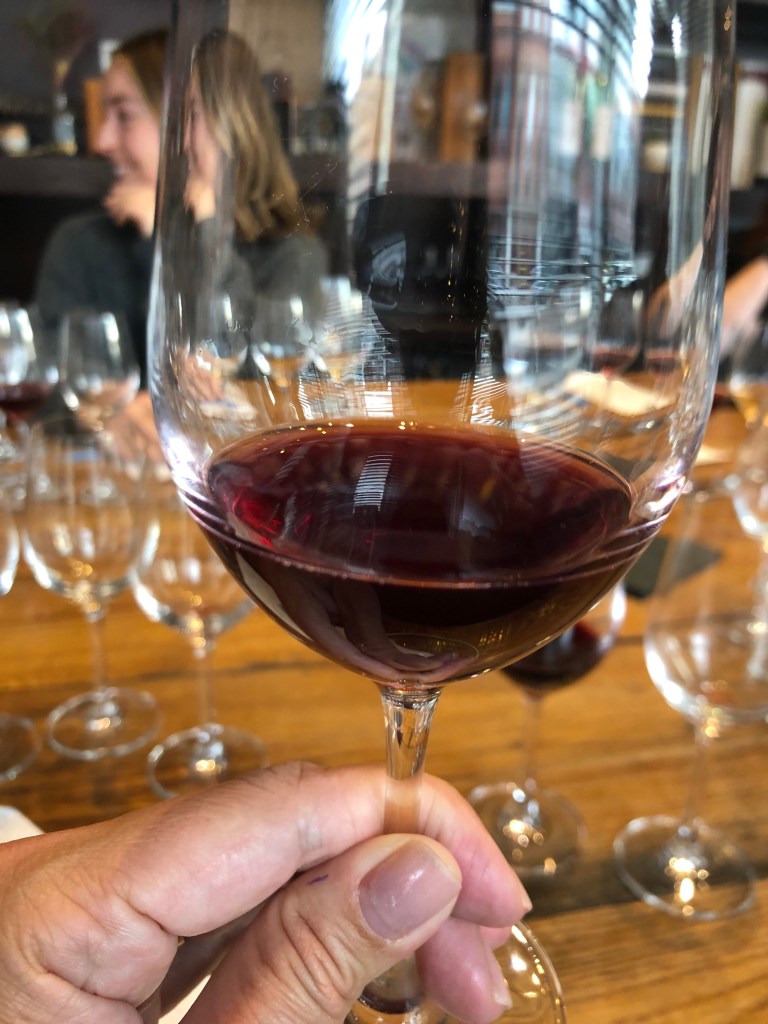
The second wine was a 2021 Fam de Vida Ull de Liebre ($64.50). I marvelled at the pretty purple hue and its smooth flavour. Mikko mentioned he was pleased this wine was well-received at one of Spain’s biggest festivals, which showcased thousands of Spanish wines. He shared that, much like law, the devil’s in the details regarding winemaking. He’s all about precision. His grapes use significantly less water than other wineries and have about five times less sulphur than other winemakers.  

Photo credit: Divine Offering

The third wine was my favourite – Fam de Vida Cabernet Sauvignon 2021 ($85.70). The fragrance was so lovely, reminding me of something very pretty and floral. It tasted clean and vibrant. I loved it so much that I stopped eating the cheese and charcuterie before me and sipped as slowly as possible. Mikko recommended aging this wine for ten years, but there’s no way I will wait a decade. I liked this one so much I bought two bottles. I asked Mikko what he would pair with this wine. He looked surprised as if the answer was so obvious, and apparently, it was to everyone except me. Cheese! Divine Offering also bought a bottle.
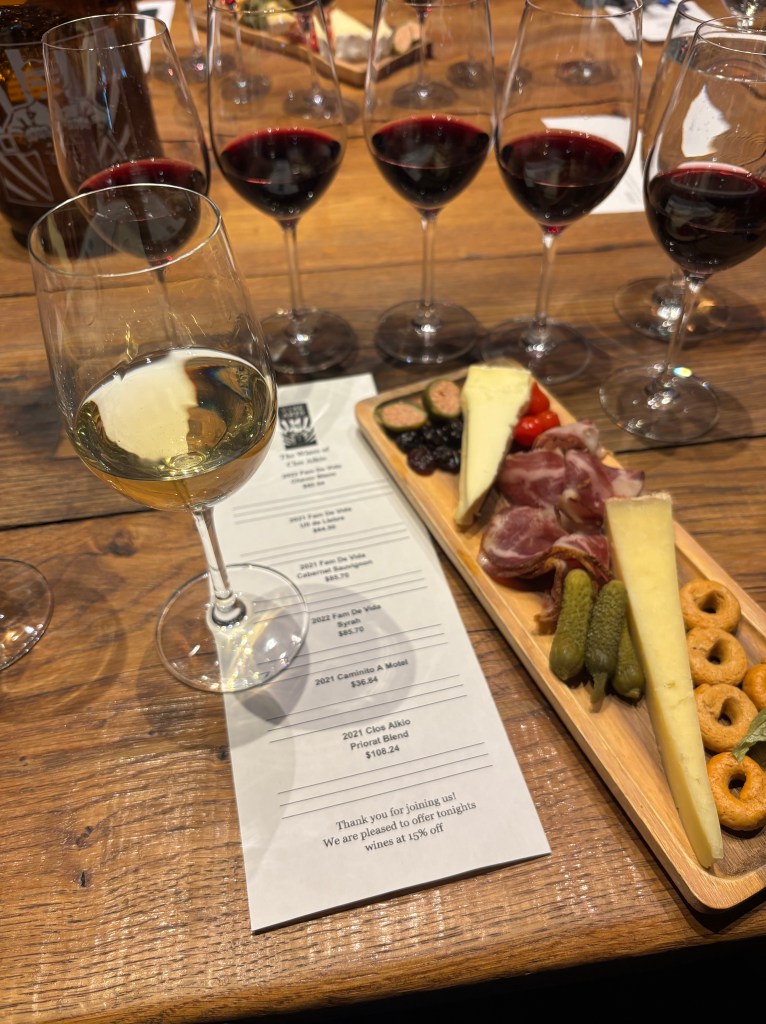
Photo credit: Divine Offering

Mikko clearly favoured the fourth tasting – Fam de Vida Syrah 2022 ($88.70). This wine is aged in French oak for 14 months. He recommends tasting the difference after ten hours and then again the next day. I’m an impatient drinker, so this bottle was a no-go for me to purchase.
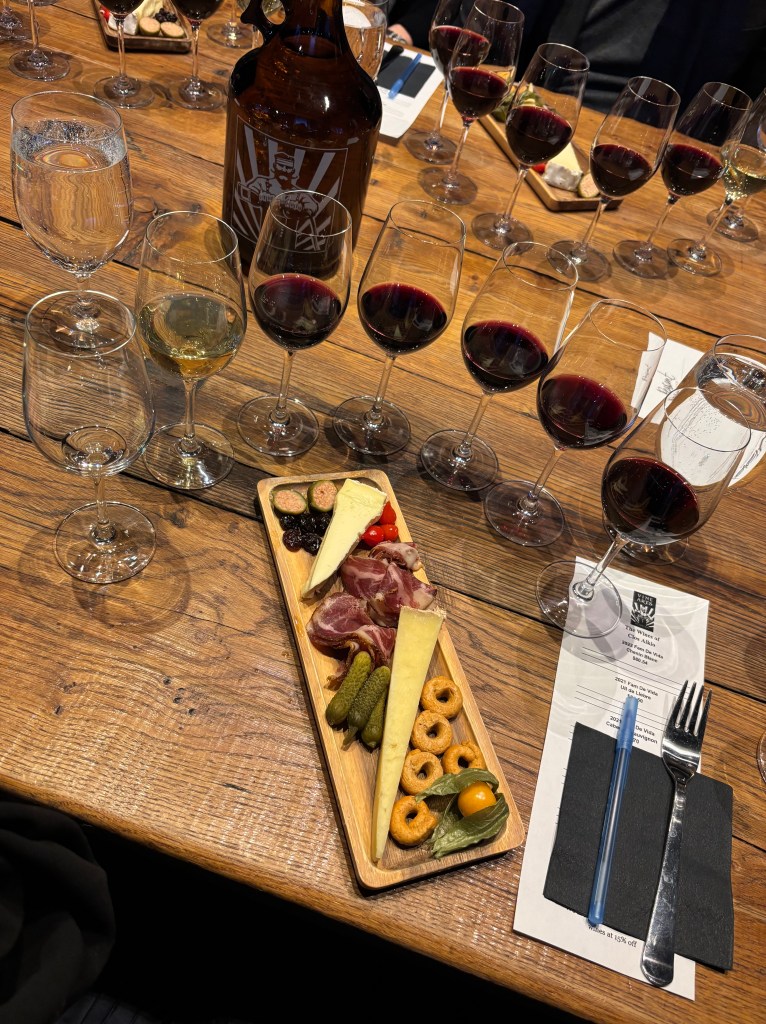
Photo credit: Divine Offering

You can tell by listening to Mikko that he is obsessed with grapes, which is reflected in his wine quality. He’s all about letting his grapes speak for themselves, making wines that authentically reflect the land and the fruit.

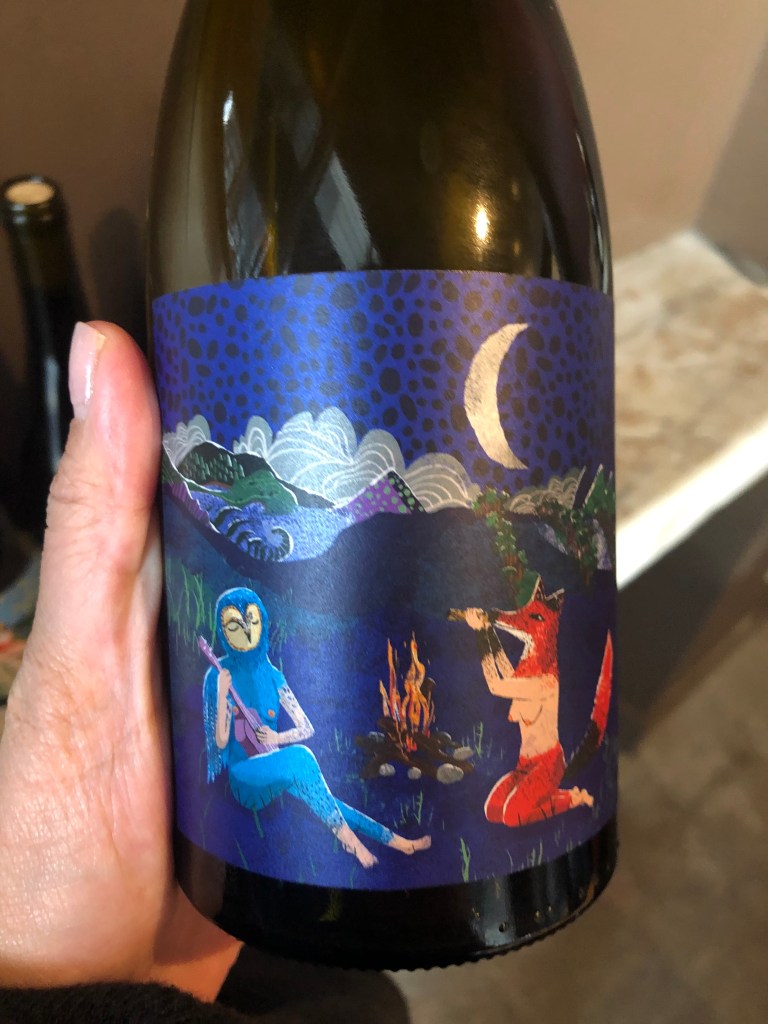
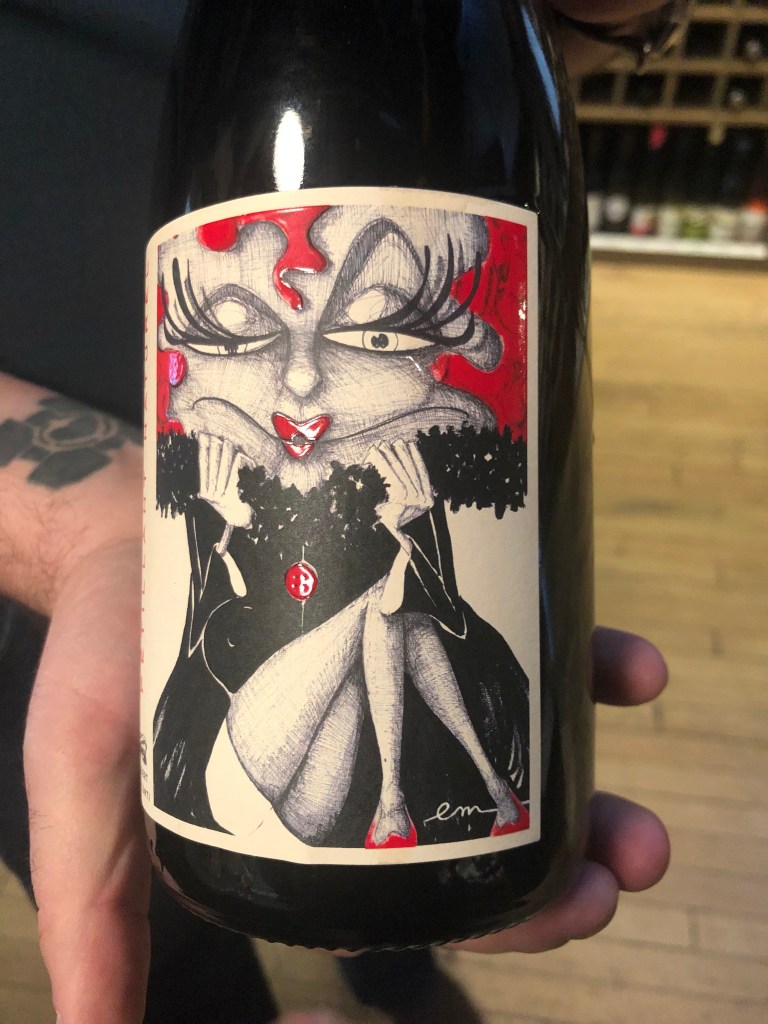
The fifth wine was Caminito a Motel 2021 ($36.85). The wine is named after a song his son recommended,  Caminito a Motel. Mikko would often listen to this song while searching for property.

Carminito a Motel is a blend of 35% Garnatxa, 35% Cabernet Sauvignon, and 30% Carinyena, with a 15% alcohol content. Aged in French oak for eight months, Mikko recommended opening this wine in five, 10 and 15 years. I bought three bottles for friends of mine who like to age their wines.

The last wine of the evening was Clos Alkio 2021 ($108.24), a top blend Mikko is so proud of he put his name on it. Plucked from aged vines, the grapes blend 30% Garnatxa Negra, 30% Carinyena, 20% Syrah, and 20% Cabernet Sauvignon.

Divine Offering and I had a blast. The wine importer who set up the event was a great host, ensuring we had everything to be comfortable. Thank you, Mikko, for braving the cold Canadian prairie and sharing your wines. Hitting the Sauce gives this wine tasting two phat thumbs up.
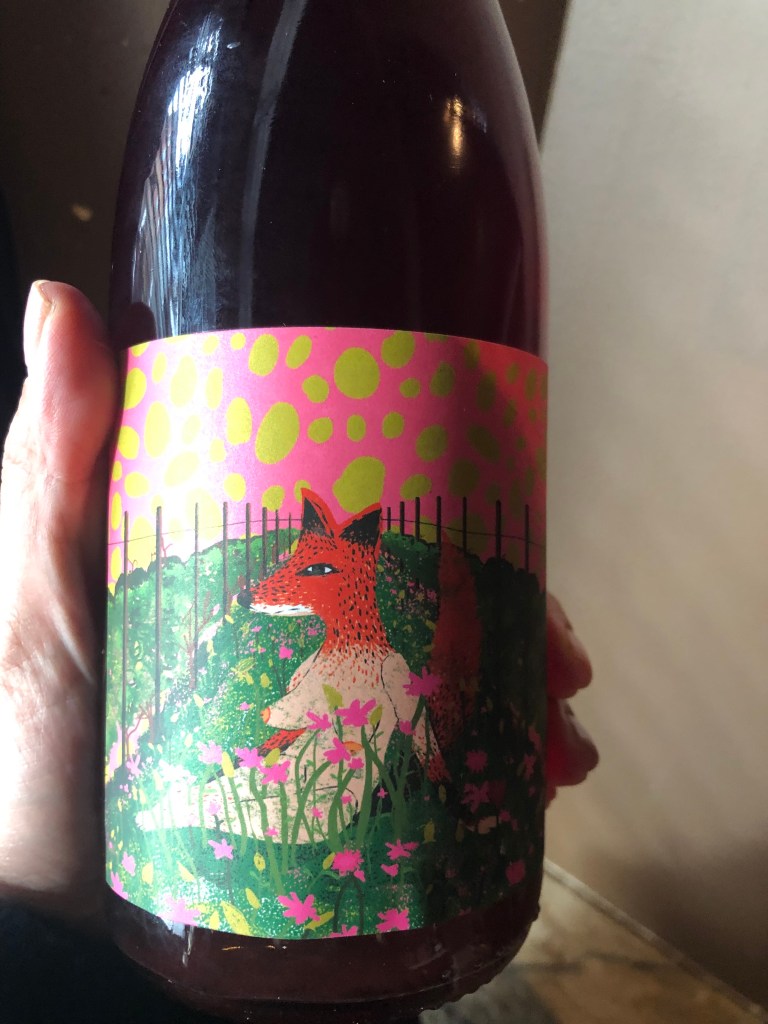
Restaurants · Wine tasting

Kindeli Wines – Juice Imports

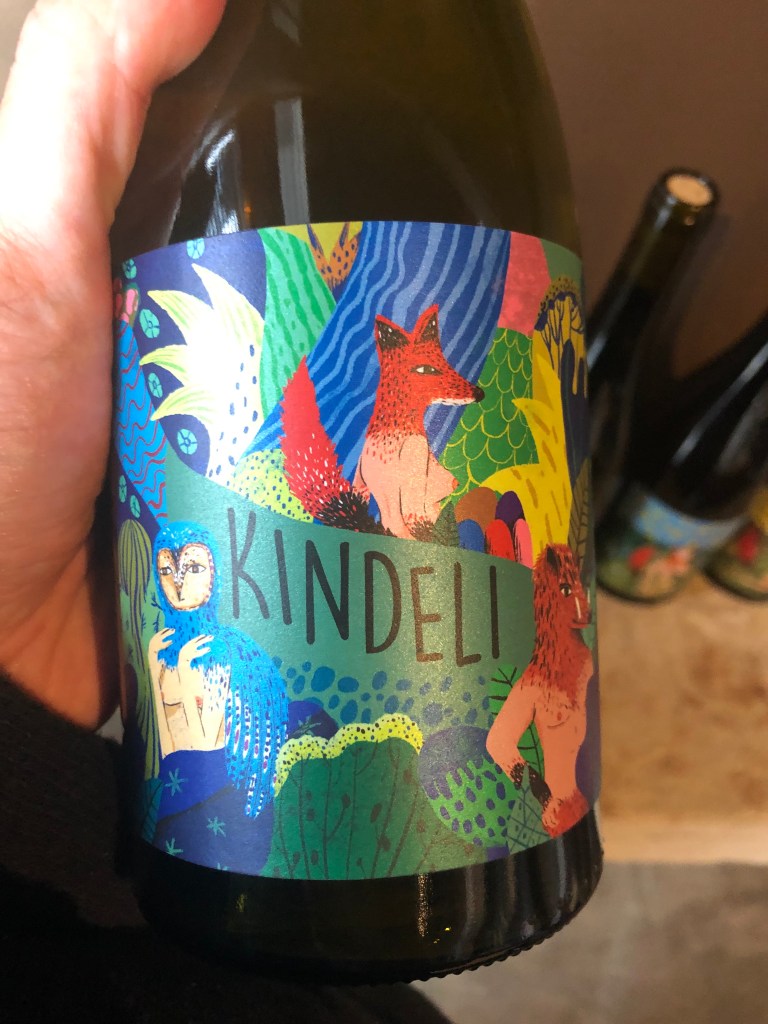
On Sunday, Kournikova joined me for a wine tasting ($29) at Vine Arts. Hosted by the co-owner of Juice Imports, Erik Mercier showcased Kindeli wines from Nelson, New Zealand. Let’s listen to “Hurt Feelings” by Flight of the Conchords for this post.

Our welcome drink was Kindeli Primavera, a rosé with a dark, raspberry-like hue and a light sparkle of carbonation. Erik informed us that this wine is made from several grapes: Riesling, Pinot Gris, Riesling, Viognier, Gewurztraminer, and Pinot Noir. He noted this rosé drinks more like red wine. Kournikova liked this one so much that she bought a bottle.

Our first official tasting was Blanco ($39.37). I was surprised when I took the first sniff, as I’d never smelled a wine like this before. Kournikova thought the wine smelled grassy. Erik described this wine as “rocking” and said it smelled like the Sauvignon grapes in Kindeli’s vineyard. He mentioned the wild fermentation process Kindeli employs results in a wider range of flavours.

Kournikova enjoyed the Luna Nueva ($44.91). This wine consists of a blend of Pinot Gris, Viognier, Chardonnay, and Sauvignon Blanc. Erik said this wine had a crazy texture, describing it as round, soft and bright.

When I asked him to define “texture” to me, he compared the difference between skim and whole milk. Erik told me to think about the words “fatty” and “saturation” and what that sensation would feel like in my mouth. For example, he stated Viognier is an oiler and heavier white wine.

My favourite wine was Verano ($44.91). Erik described this dry, fresh wine as savoury, with notes of dried apples and Oolong tea. I knew right away my girlfriends would love this bottle. I bought one bottle for my friend Sunflower, who has a penchant for orange wines.

Erik recommended pairing this wine with something funky and sweet, like a Japanese curry. He stated that Verano represents a complete picture of Kindeli’s farm, as every variety is blended into this bottle: Sauvignon Blanc, Riesling, Gewürztraminer, Chardonnay, Pinot Gris, Pinot Noir, and Syrah.

The Otono ($44.90) is made from Gewurztraminer grapes, fermented on skins for five days in an amphora (Greek vase). After the pressing, Riesling and Pinot Gris juice is added to the “spent skins”. Erik noted this wine is bottled unfined, unfiltered, and without sulphur.

Erik loved the smell of Ivierno ($44.83). He stated one of the many reasons he likes natural wines is the different breadth of flavours it produces. This wine contains about 90% Pinot Noir and 10% Pinot Gris.

Kournikova thought Tinto ($44.83) smelled peppery. Erik described the flavour as dark fruit juicy with a violet floral. Of the red wines, this was my favourite. With each sip, I noticed a new tasting note.

The last wine we tried was Luna Lena ($44.90). Erik described Luna Lena as sweet, with dark fruit characteristics. I asked him why my initial reaction to his wines changed with each sip. At first, I was unsure if I even liked the wine. However, with each quaff, I started to appreciate different flavours I didn’t pick up at first. I told him this experience is the opposite when I drink terrible wine at a pub, as even though I keep drinking it, it never tastes better, no matter how hard I wish it to be.

Erik believes it’s because we initially don’t like unfamiliar flavours that we can’t describe. It is our body’s way of warning us about poison. But after we try something new, such as wild fermented wines, we get used to the unique flavours and begin to taste other things.

I’m looking forward to Erik’s upcoming events in November and December. I already booked up each class he’s teaching. These wine seminars are so cheap that I can afford to splurge on fancier bottles for my forthcoming Christmas parties. Hitting the Sauce gives Erik’s evident passion for natural wines two phat thumbs up.

Restaurants · Wine tasting

Fringe France – Vine Arts

On Friday evening, L, Bottlenick, and I went to the Fringe France wine tasting ($50) at Vine Arts on 17th Ave. Klaire McCallum, our host for the evening, selected wines from France’s lesser-known regions from wineries that produce only a small number of wines each year. Choosing this class was a no-brainer for me, as I have an infinite love for French wines. For this post, let’s listen to “A Bicyclette” by Yves Montand.

Vine Art’s tasting room is brand-new, located on the store’s second floor. We sipped a glass of sparkling wine and introduced ourselves to the guests closest to us.

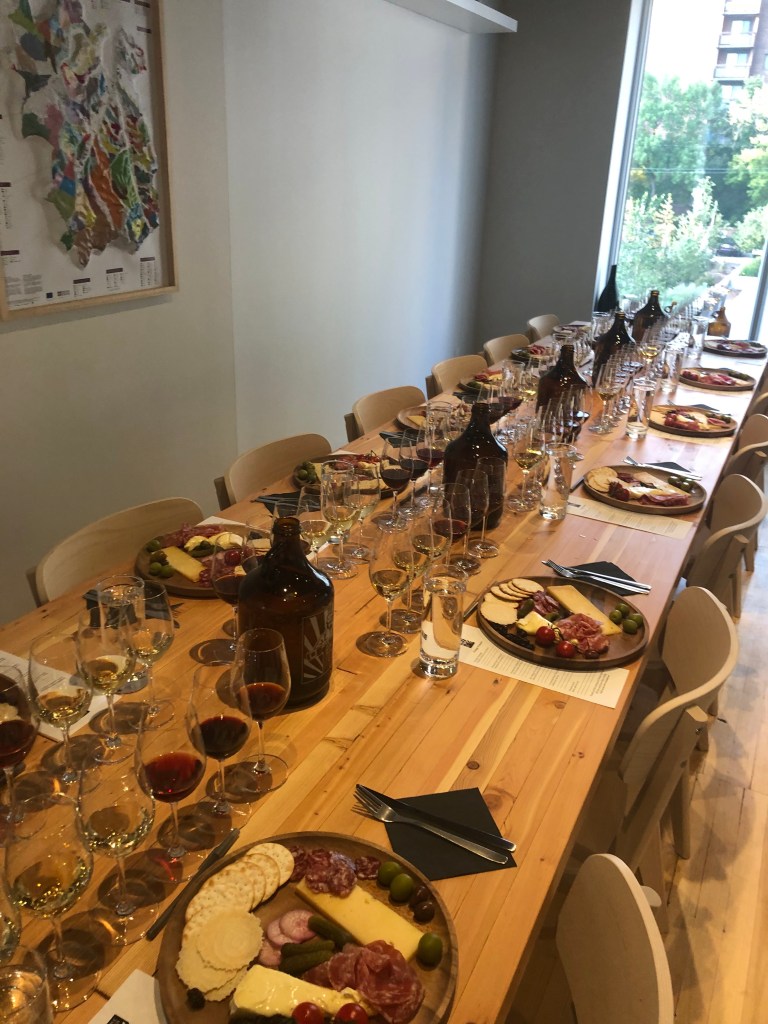
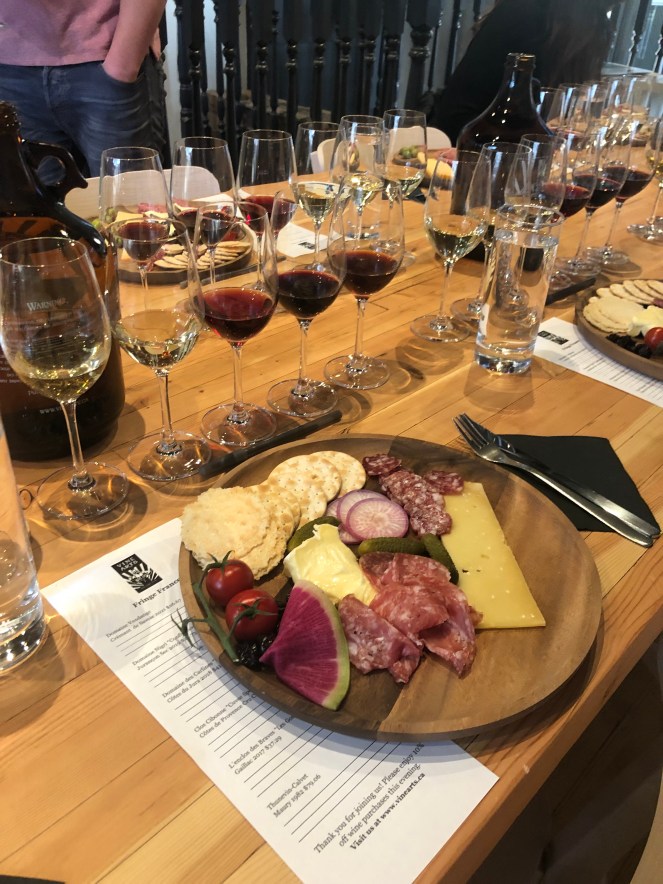
Everyone was given a gorgeous cheese and charcuterie plate from Peasant Cheese. The brie was ripe and creamy. The gouda was even better, hard yet smooth, with a bit of texture. The charcuterie was so tasty that I chewed slowly to extract the most flavour from each bite.

The first wine we tried was the Domaine Vendange Cremant de Savoie 2021 ($26.67). We learned the location of the winery borders Switzerland and Italy, and the region produces one percent of France’s wine production. Bottlenick commented the wine was toasty. There was a breadiness to it that reminded me of champagne. Klaire recommended pairing this bubbly with alpine cuisines, such as a tartiflette. I bought a bottle of this wine and planned to bring it out while hosting a raclette dinner party.


The second wine was Domaine Nigri “Confluence” Jurancon Sec 2019 ($29.73). This winery is located in the southwest of France, close to Spain. Klaire described this wine as intense, with notes of passionfruit. L said it tasted tropical, while Bottlenick thought it was soft, interesting, and unique. Klaire advised pairing this wine with something rich, like foie gras or duck.

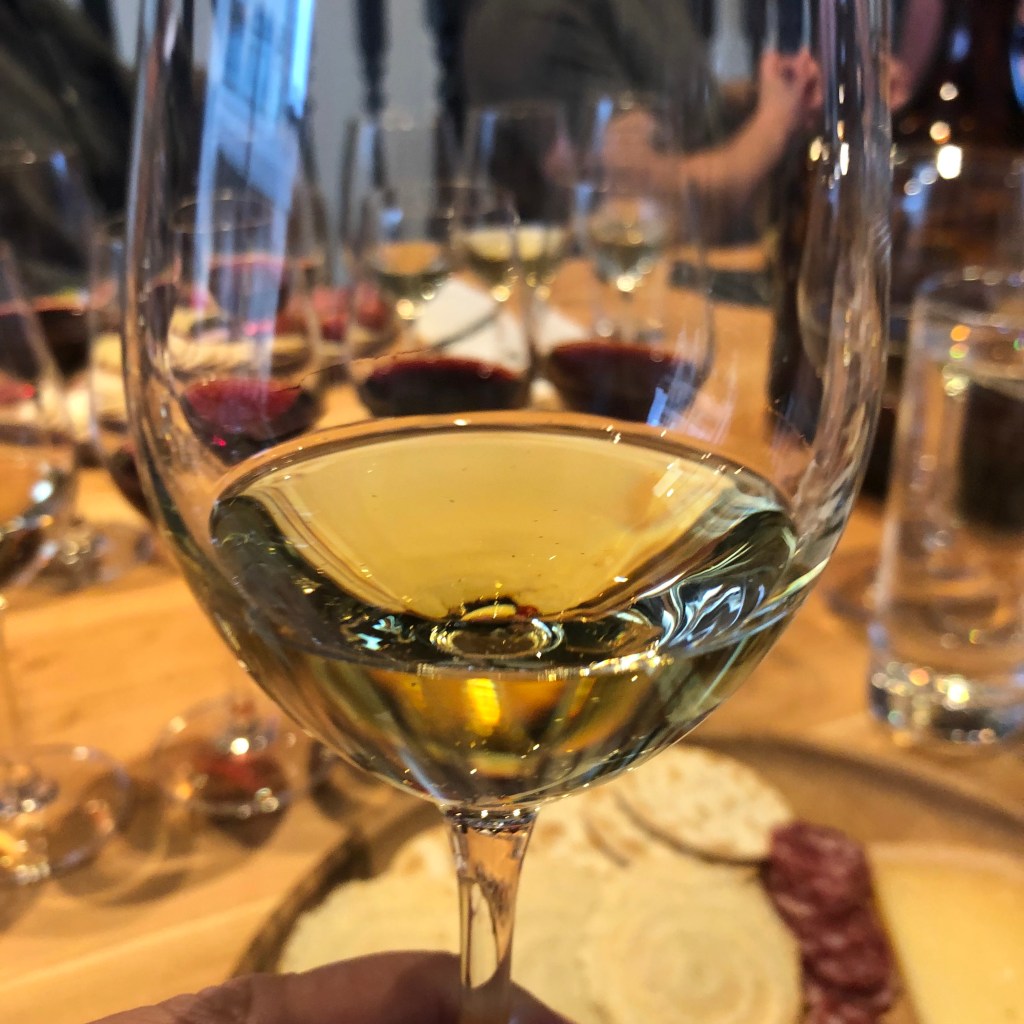
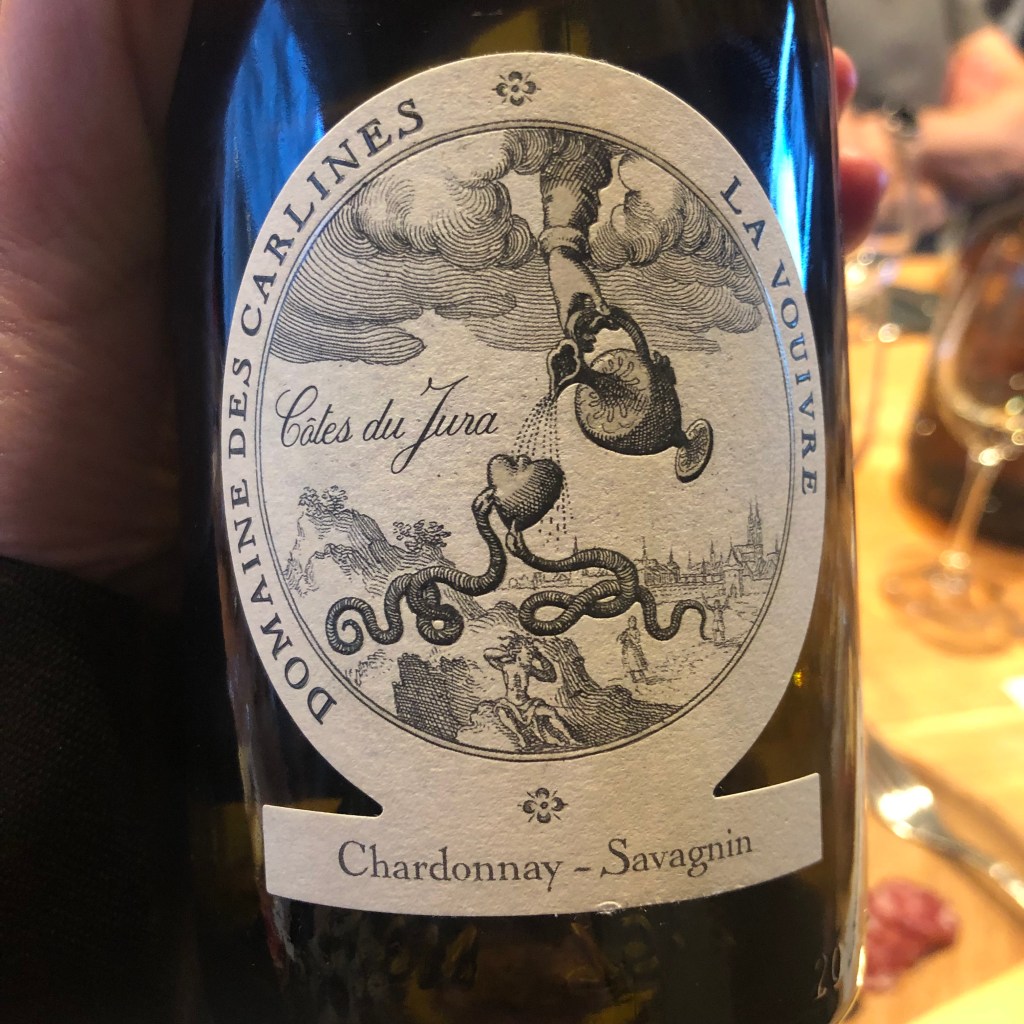
I enjoyed the third wine – Domaine des Carlines La Vouivre Cotes du Jura 2018 ($41.19). Klaire noted Jura is famous for its yellow wines and known for its dry and sweet white wine. Bottlenick and L were fans of this wine as well. Bottlenick thought it was oily, while L said it was slightly sweet. I thought it tasted good.

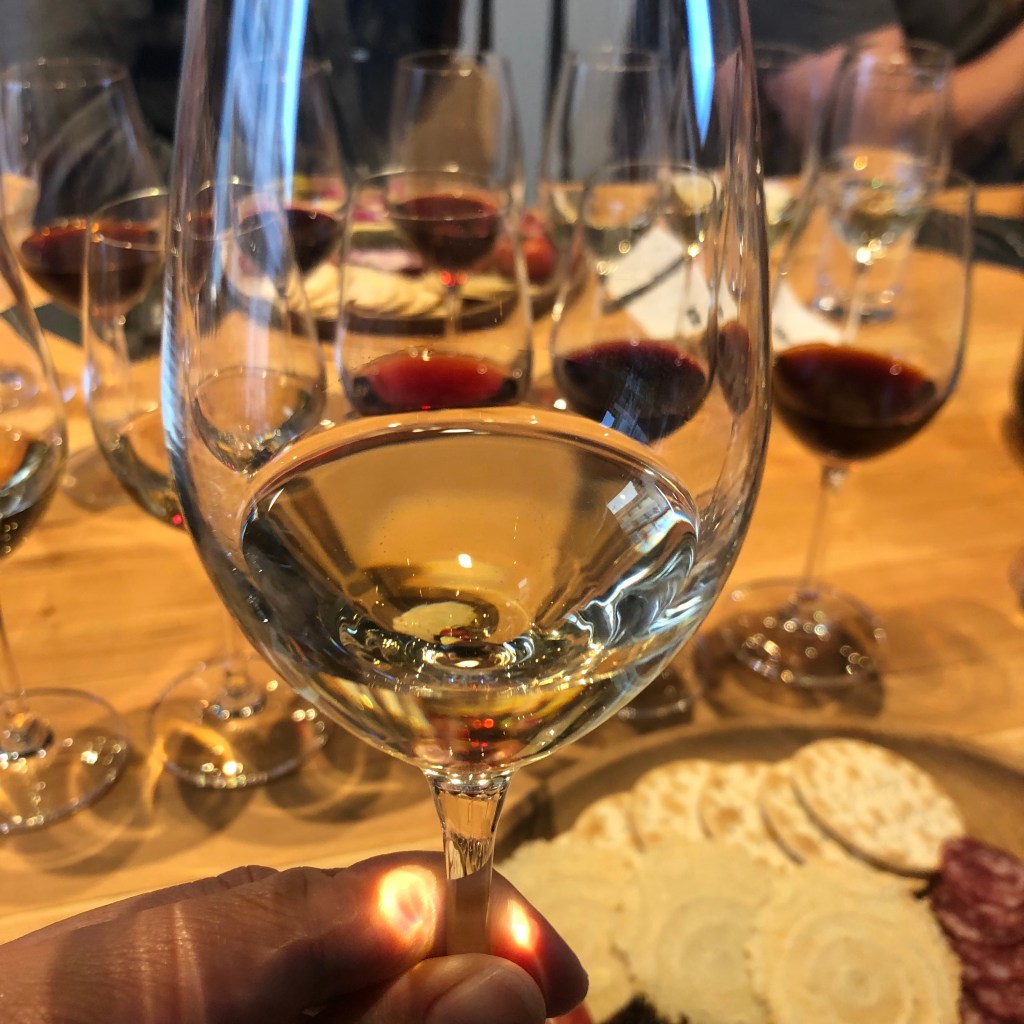
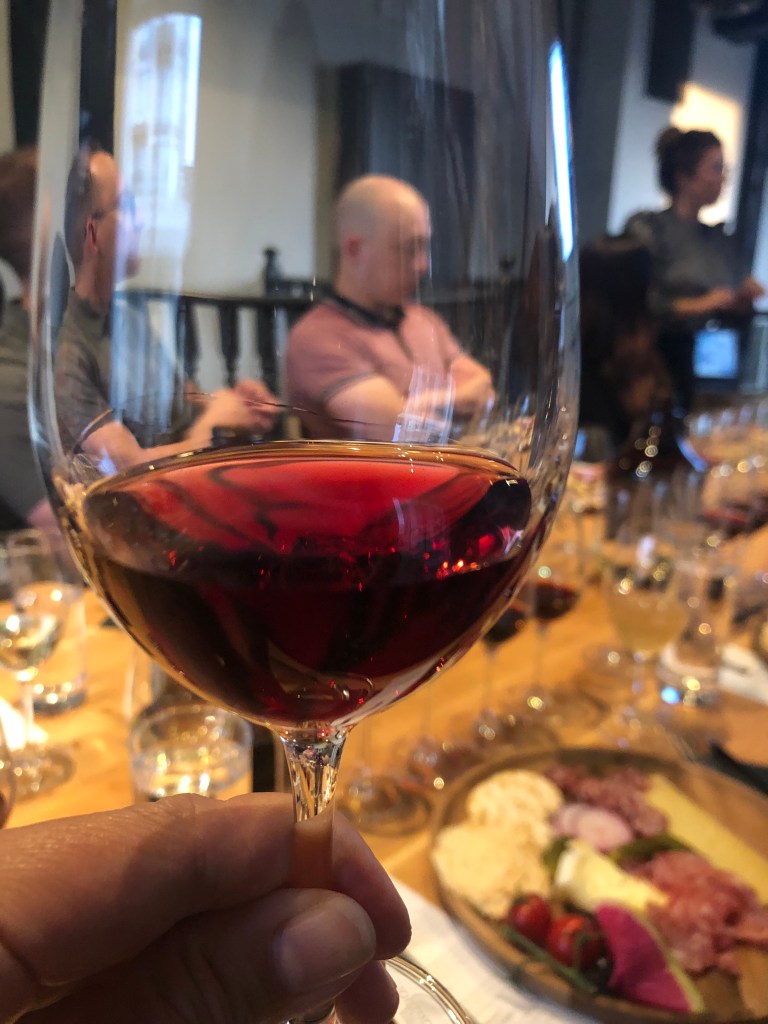
The fourth wine hailed from Cotes de Provence – Clos Cibonne “Cuvee Speciale Tibouren” 2021 ($58.30). Although the region is famous for its rosé wine, we tried a red wine with a see-through ruby hue. Klaire described this wine as herbal, with rosemary, thyme and lavender notes. L thought the wine tasted peppery.

There were two very interesting points Klaire shared with us about alcohol content and acidity. First, she pointed out the rosé’s alcohol content was 14%. She explained that the higher the alcohol, the more texture and feeling a wine has. Second, she mentioned that wine with high acidity makes the mouth water, while wines with lower acidity create more of a mouth-coating sensation. Klaire stated acidity in wine is desirable when paired with certain dishes, as it helps to cut into the fattiness.

The winning wine for me was the fifth tasting – L’enclos des Braves “Les Gourmands” Gaillac 2017 ($37.29). Klaire suggested pairing this wine with charred food, a stew, chili, or soup. I loved this wine so much that I bought a bottle. I’ll break this wine out the next time I burn a dish for a party.

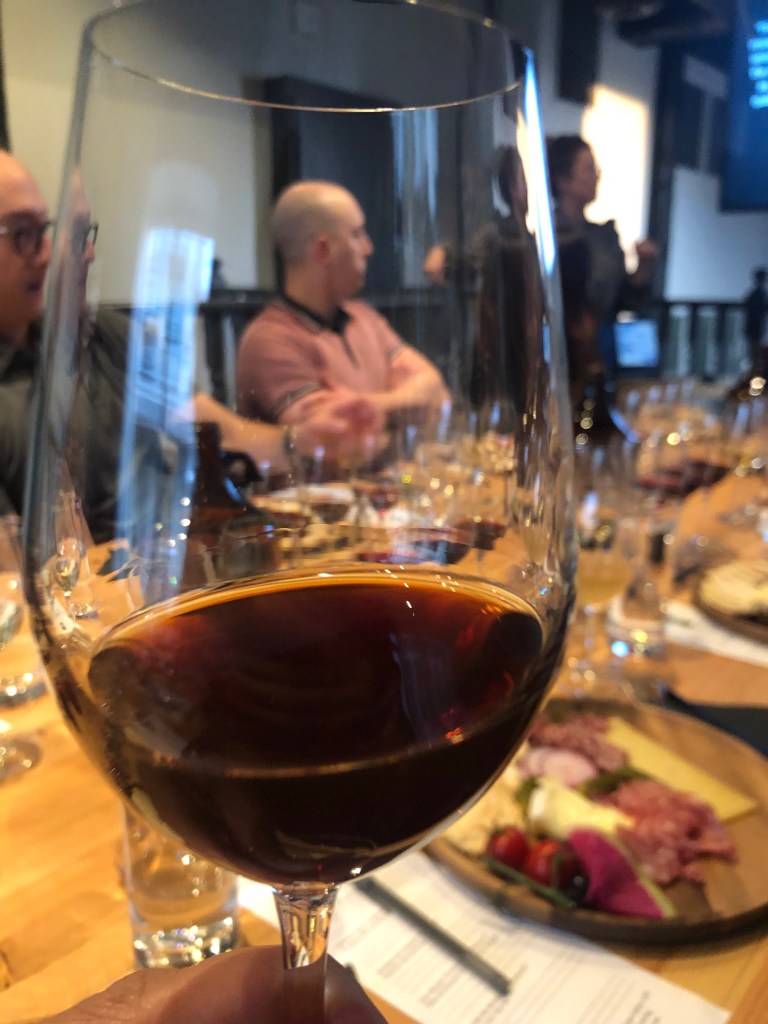
Our last tasting was Thunevin-Calvet Maury 1982 ($79.06). L joked that the wine was almost as old as me. I thought this wine wasn’t as sweet as it smelled and tasted a little like a raisin. This is one of the best ports / dessert wines I’ve tried. We learned this wine is produced on mountain landscapes in a dry, hot, rugged climate. The shrubbery the grapes grow on has deep roots. Due to the poor soil, the stress on the grapes produces the best wine.

By this point in the night, everyone was comfortable, and I heard shouts of “walnut” and “bitter almond” thrown around. When asked what makes a wine worth aging, Klaire listed three things – it must have complexity, tannin structure, and acidity.

Klaire detailed how old this wine was and how this type of wine was made 400 years before the port was made through the mutage mechanism. I piped up and said I didn’t think 40 years was very old at all. The person across from me reminded me we were talking about wines, not people.

These wines were not easy drinking, patio-crushing bottles I usually consume with my girlfriends. However, Klaire noted that she picked unique wines that paired exceptionally well with food. She wanted us to try wines with attitude, not face-ripping weird wines. She succeeded – as I thoroughly enjoyed her selection.