Last Monday, we wanted to get out and try somewhere new. I suggested Avitus, a tiny wine bar in Calgary’s Marda Loop neighbourhood. Chew Steel was game, so off we went. For this post, let’s listen to “Maneater” by Nelly Furtado.
Before we walked in, I warned Chew Steel that Avitus was a chick magnet. Usually, the men who show up look like they are on a hot date and aiming to impress. The bar is always full of women whooping it up—the ratio for every fearless man to woman is one to seven.
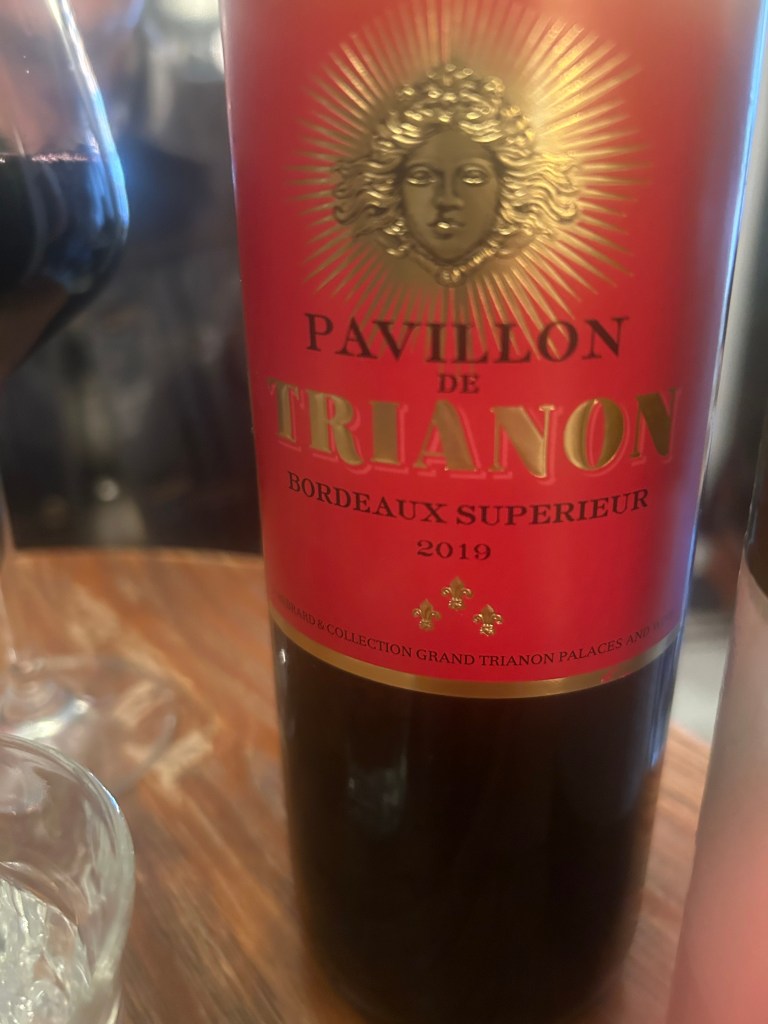
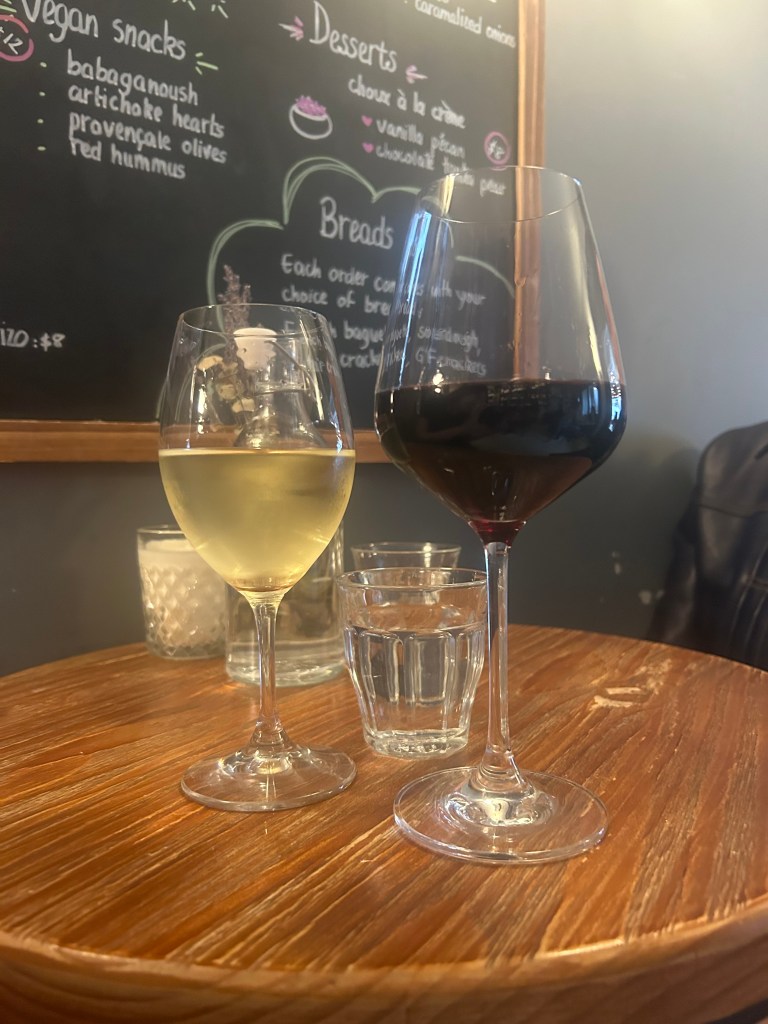
We sat at the only high table and started with a glass of wine. I tried the Gun Metal Riesling ($16), a dry, minerally fruit-forward white wine. Chew Steel wanted a full-bodied wine and ordered a Pavillon De Trianon ($15). When I sipped his wine, I instantly got buyer’s remorse. Smooth and flavoured with infatuation, this is a bottle I would happily crush all night long.
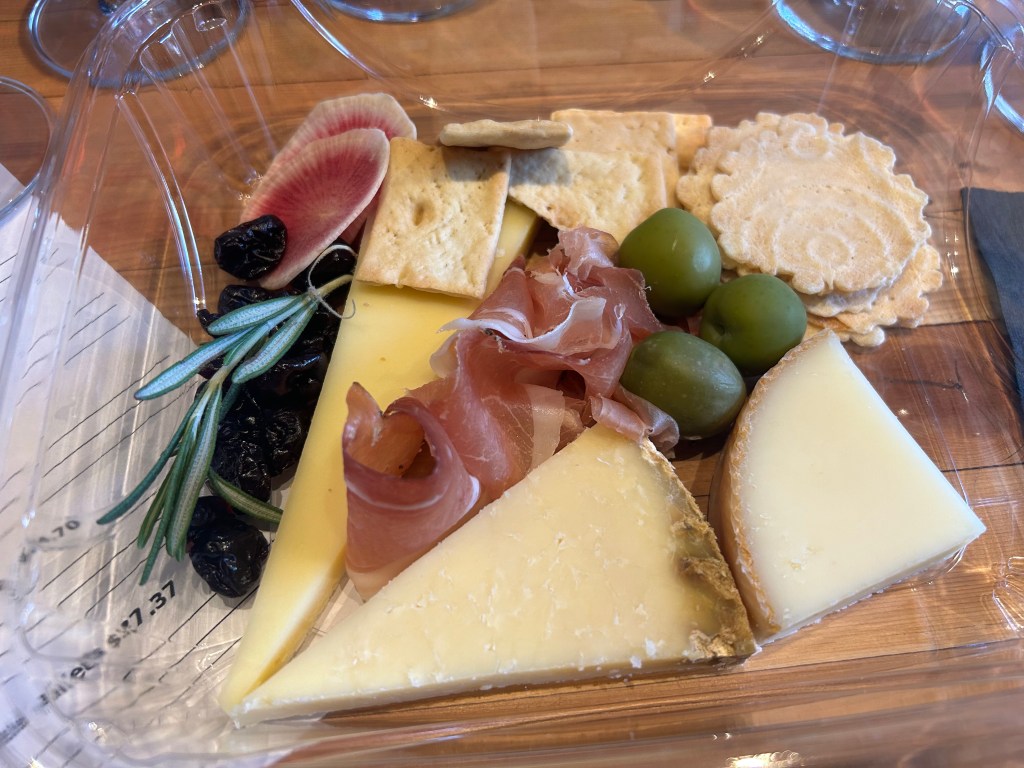
For nibbles, we tried two cheeses, Delice de Bourgogne ($12), Comte ($12), Berkshire pork salami ($18), honey truffle ($4), carrots ($3), and a pickle ($3). The Delice De Bourgogne was Chew Steel’s favourite cheese; it was creamy and soft, oozing all over the bread. I liked the Comte because I’ve been more into nutty, hard cheeses lately. The truffle in the honey was dominant. The taste of truffle hit you first and then dissipated into the sweetness of the honey. I could taste a little smoke in the honey.
Chew Steel raved about the richness and chew of the salami. I thought the salami looked fattier than it tasted. The carrots were sweet, crunchy, and homemade. I enjoyed the juicy slices of the pickle, which helped cut into the salami’s fat.
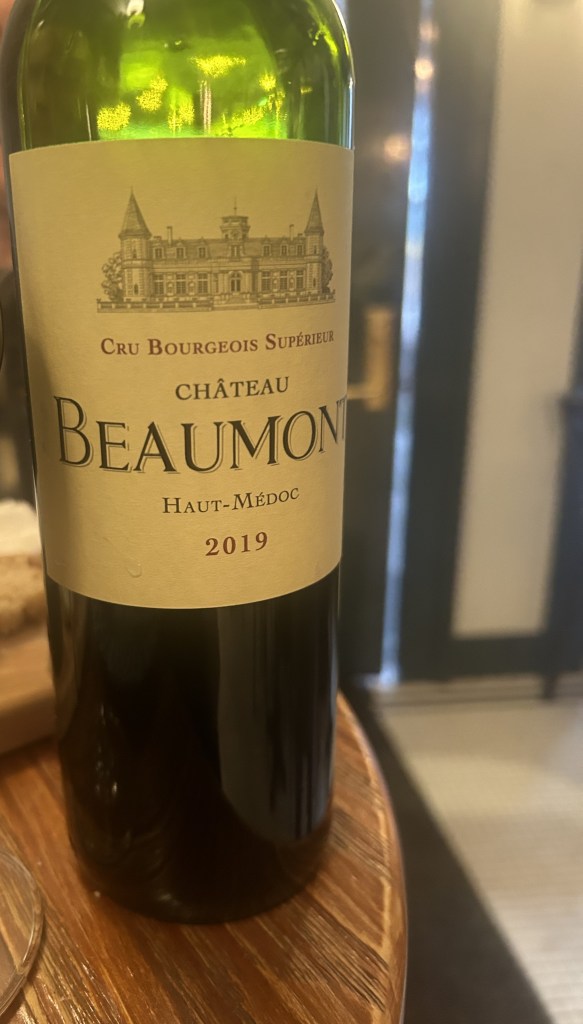
We wanted another Pavillon De Trianon for our last glass of the night. However, fate is a cruel lover, and our server, who I suspect may be the owner, said there was no more. He suggested another wine that was similar but a little more refined, Chateau Beaumont ($17). While this wine was very good, I preferred our first red wine. The second wine tasted lighter and more delicate, but I like my wine with more of a punch.
I mentioned to Chew Steel that I would like to know what the owners of Cassis Bistro think of the wines and cheeses at Avitus Bar. It would be like Mozart and Beethoven meeting and reviewing each other’s work.
We had a great time trying new wines and cheeses. When we left, the bar was full of boisterous ladies jonesing for a good time. They know a good thing when they taste it. Hitting the Sauce gives Avitus two phat thumbs up.
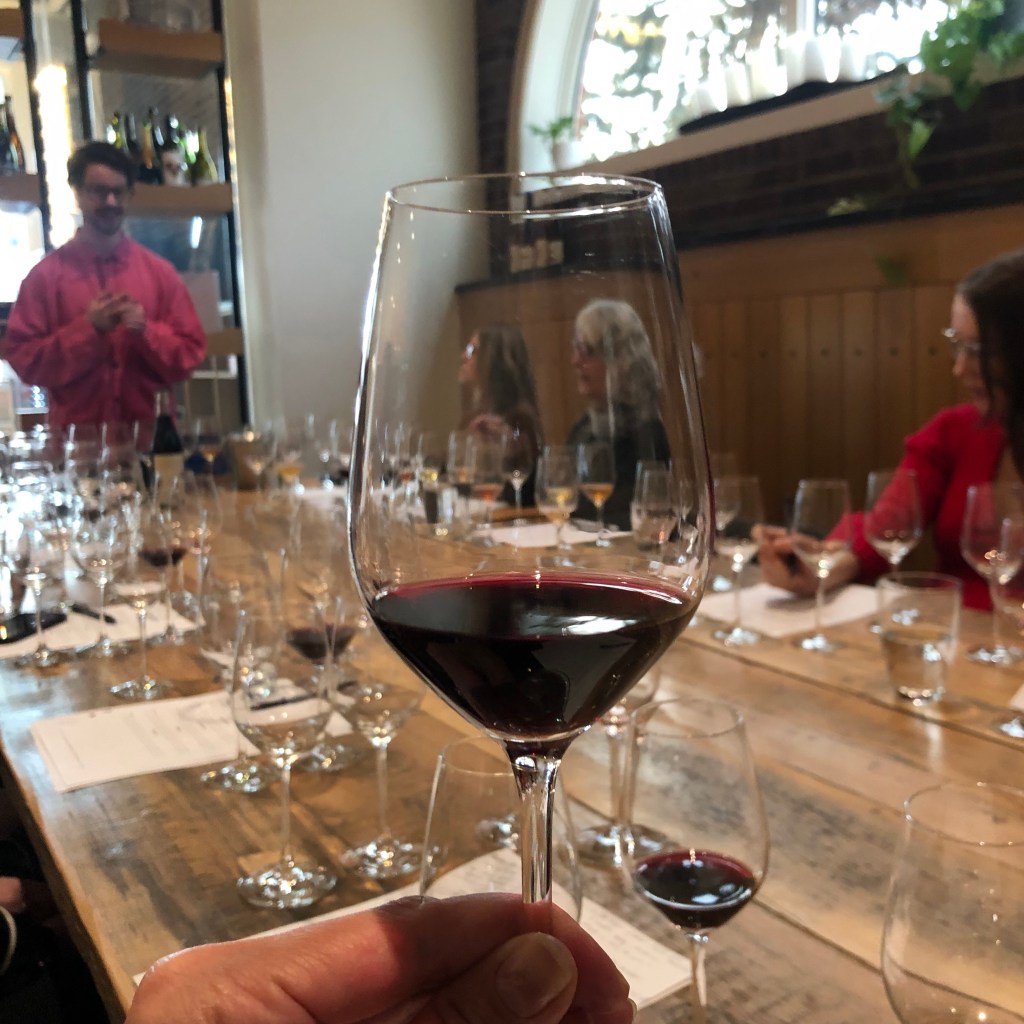
Erik, co-owner of Juice Imports, visited Calgary and hosted an all-red wine lineup event ($50) at Vine Arts on 17th Avenue SW. When Chew Steel (formerly known as L) and I arrived, we were handed a glass of Tomato Wheels Lambrusco. I see this sparkling red wine everywhere in Calgary, and I noticed it’s popular with sommeliers, as it is always highly recommended. As we were sipping this delightfully fizzy beverage, I bumped into Alia, a co-worker at my previous place of employment. For this post, let’s listen to some chill French cafe music.
Erik dreamed up this session because he said the phrase, “I only drink red,” is the most common comment he’s heard here in Alberta, partly due to the calibre of the province’s beef and long winters. He described the wines we were about to try as “nerdy” and fun.
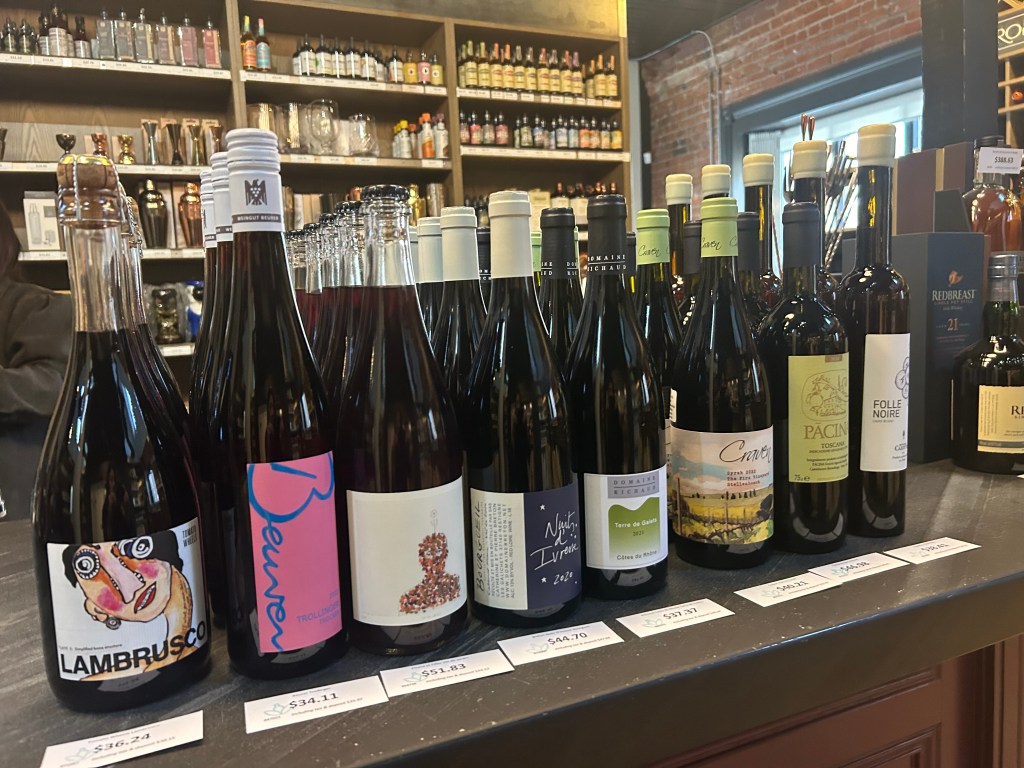
The first tasting was Jochen Beurer Trollinger ($34.11), one of his favourites in his lineup, and a wine he helped make in 2020. Light and bright, our wine master commented this drank like a white wine. The grapes themselves are big and juicy, thin-skinned and ruby red.
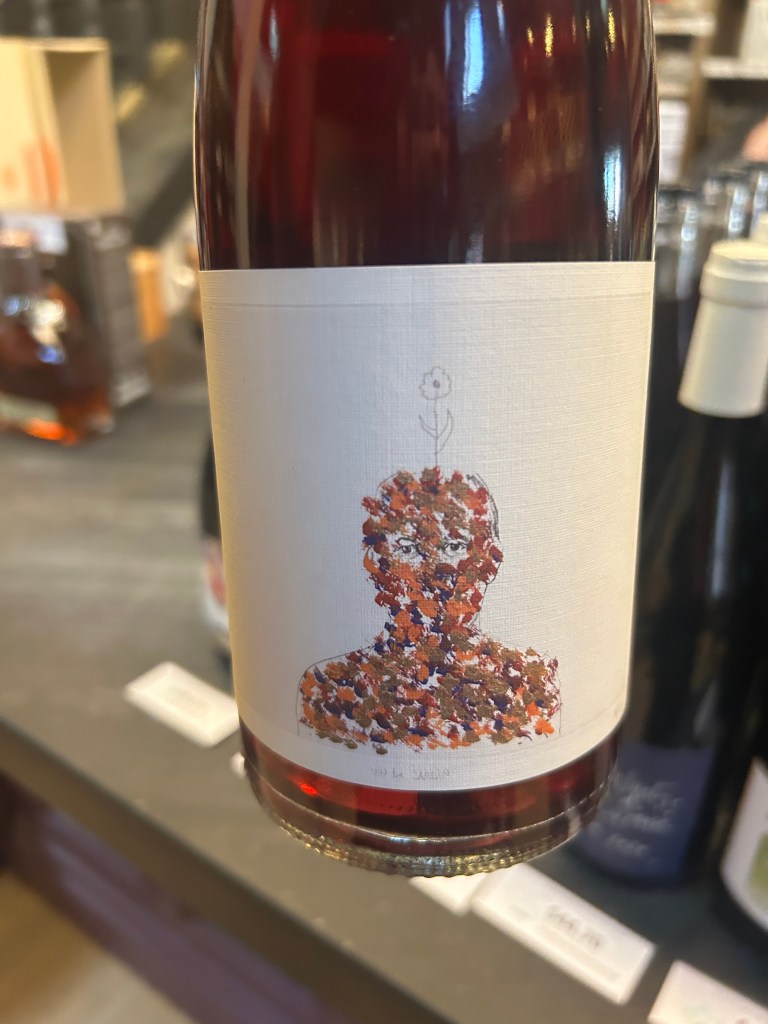
The second wine was Pinard et Filles Vin de Jardin ($51.83, discount $46.65), one of the rarest in his wine portfolio. The winery exports only to Paris, New York, Ontario, and, due to Erik’s persistence, Alberta. The fragrance was fantastic, and I loved how different this wine was from anything I had tasted. I asked Erik why this wine tasted so unusual. He explained that the grapes are resilient and hearty, and the genetic profile of these hybrid grapes is unfamiliar to most wine drinkers. He tasted “roses, hippy, floral and something utterly haunting.” Erik recommended pairing this wine with something opposite of its flavour, such as meaty French dishes, beef, liver, steak, or blood sausage.
Erik mentioned he only had six remaining bottles of this garden wine and other limited quantities of the rest of the lineup. Alia said she would battle it out with me. She mentioned she was competitive, and I said I wasn’t, which is true because the word I would use to describe myself in these situations is ‘pour’severant. Whenever I enjoyed a wine, I trotted downstairs and asked an employee to tuck it away for me. I fancied this wine so much that I bought three bottles, two for me and one for my friend Lululemon.
The third wine was Craven Firs Syrah ($40.21). It smelled like a conventional red wine, but it tasted sweet and silky. Erik noted dark fruit, like figs or blueberry pie. He mentioned the wine maker’s philosophy revolves around texture and noted factors that affect the style and flavour of red wine, such as stems, maceration, and oak. Another interesting fact is Cabernet Sauvignon contains white juice.
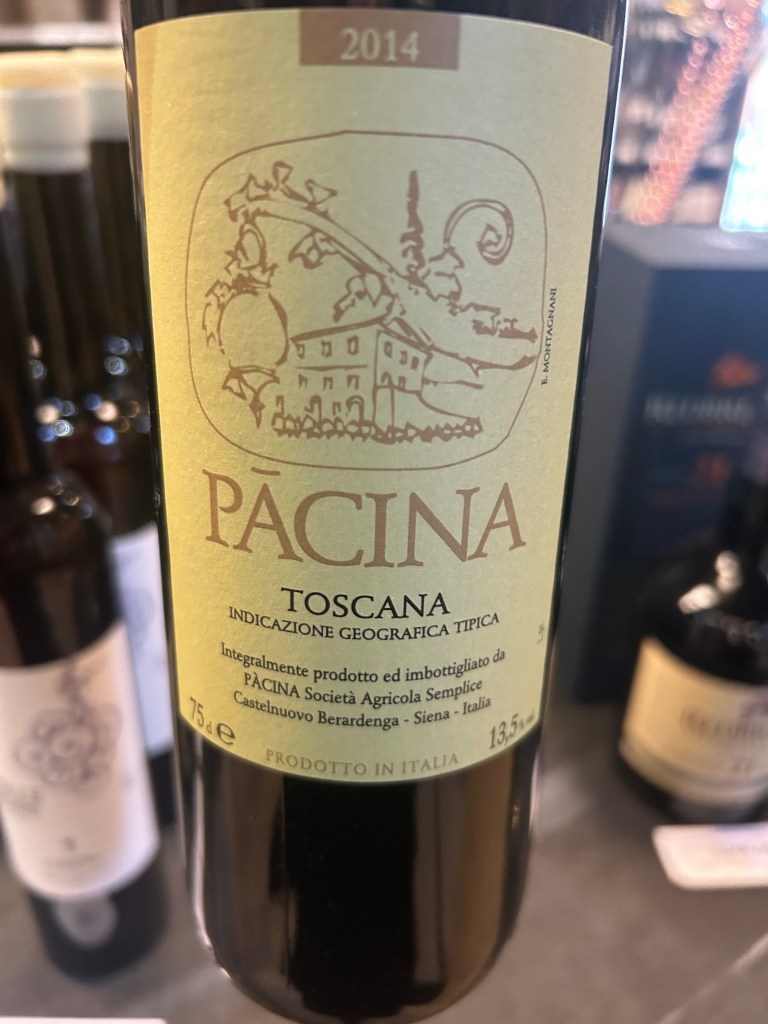
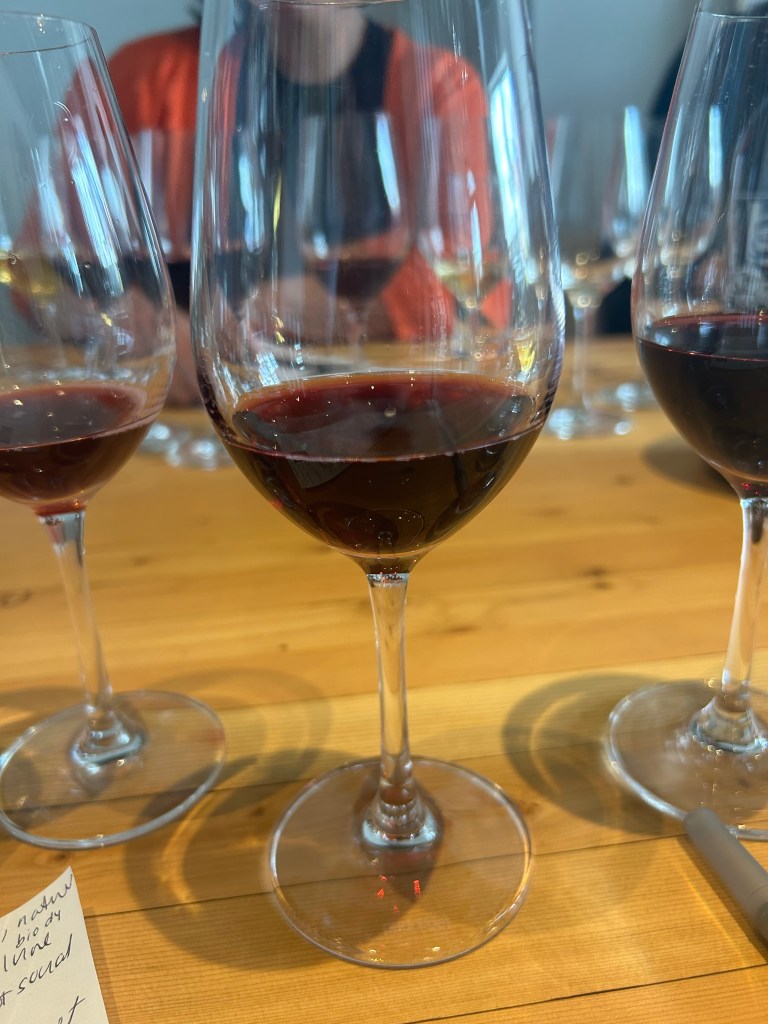
I enjoyed the fourth wine, Pacina Rosso Toscana (2014, $46.98). Chew Steel took a shine to this red, which I found fresh, light and dry. The sips with sediment tasted better than the first sip without. Erik described the scent as roses in their riper stage, and another customer likened it to the smell of a leather jacket.
I asked Erik about wine markup at restaurants and what to expect for a wine I buy at a liquor store for around thirty bucks. A customer piped up and mentioned the Keg doesn’t markup any of their wines. I told Chew Steel that we have to start dining there again. I mentioned to the other guests that Class Clown sells the best priced wines in town, and you can get a good one for only $50.
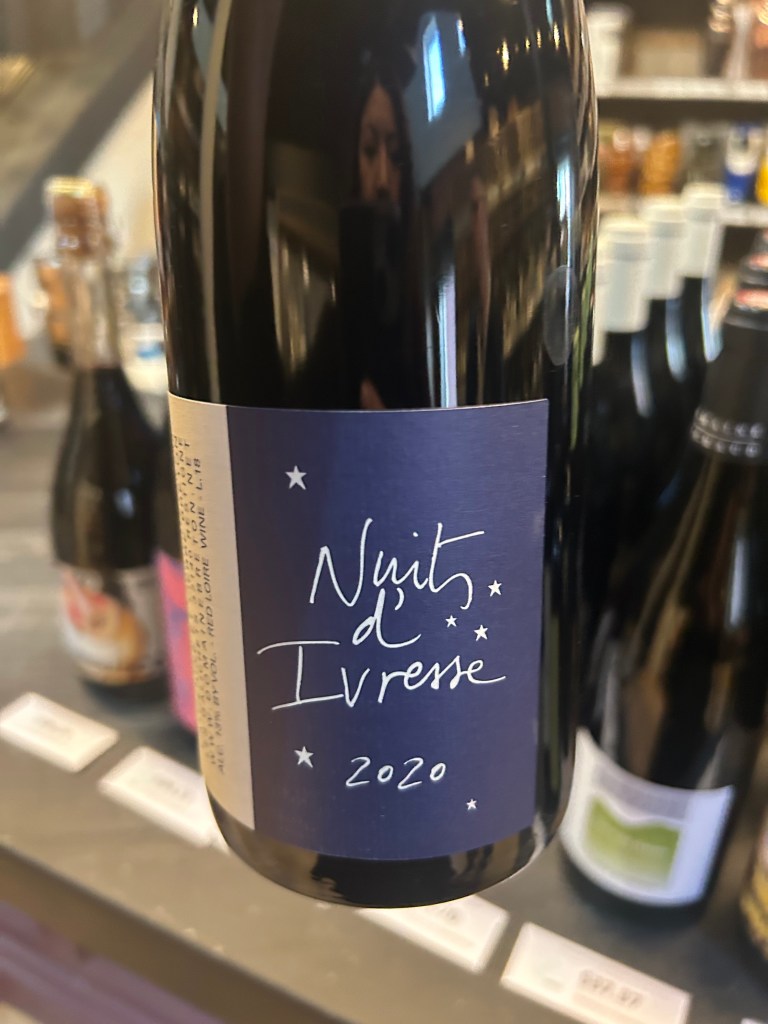
The fifth wine was Domaine Breton Nuits d”Ivresses ($44.70), a dry wine that pleasantly puckered my mouth. Chew Steel enjoyed this wine. Erik communicated that the winemaker is a legend in France and told us this wine uses Cabernet Franc from 50-plus-year-old vines from several terroirs, grown in primarily clay and limestone.
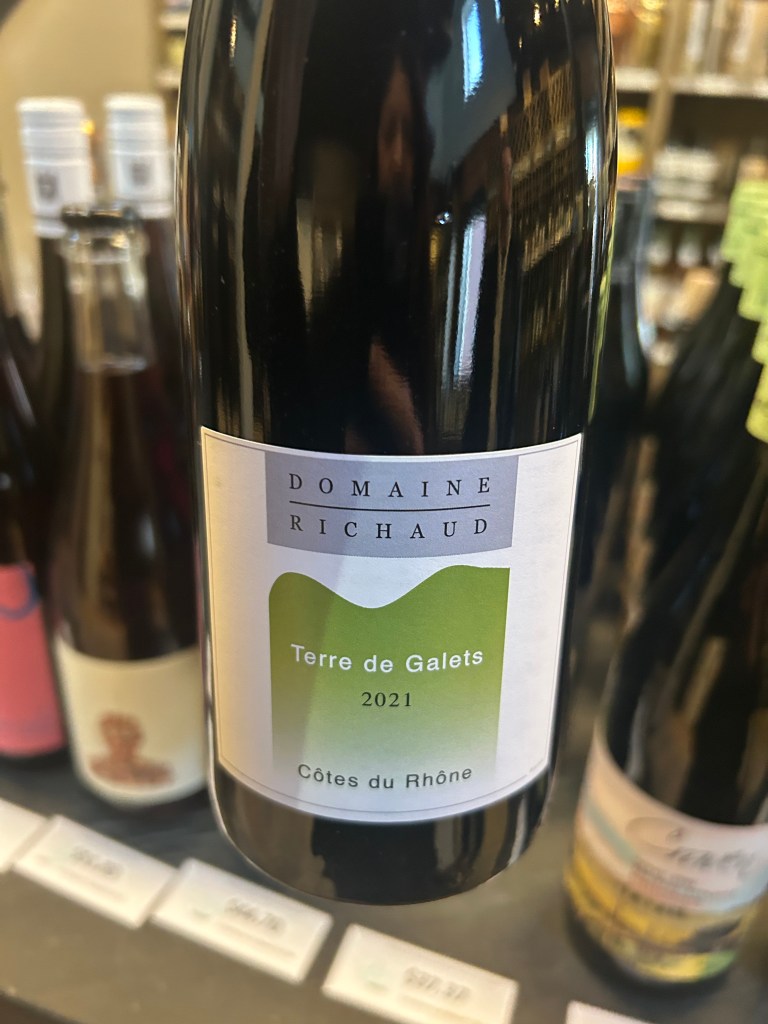
The sixth wine was Domaine Richaud Terre De Gallets ($37.37, discount $33.63). Chew Steel and I agreed this was our second favourite wine. Erik mentioned that marketing dictates price; the more successful a winery is, the better price they can get. This winery is less marketed than its neighbours, reflected in its price to customers. I bought two bottles. Erik recommends pairing this wine with lamb and thinking of what grows well in the region’s landscape rolling hills, such as wild lavender, rosemary, oregano, and garlic.
Erik advised us that vintages can differ yearly due to countless factors and explained how some wineries can create the same flavour profile year after year. I quizzed him on his stance on consistency versus the style of dynamic wines he sells. For example, if I splurge on a bottle, I want to know what I’m getting, hence my fondness for his wine tastings. Torn, he expressed it comes down to two different experiences. He enjoys the emotional expression of his lineup and the fun that comes from tasting wildly different flavours and textures. He compared these wine styles to Marc Seguin’s work (i.e. dynamic) versus the familiarity you can get at IKEA (i.e. consistency). He said it was like comparing the familiarity and affordability of Campbell’s chicken soup and his love for his grandmother’s soup, which changes based on the ingredients in her kitchen.
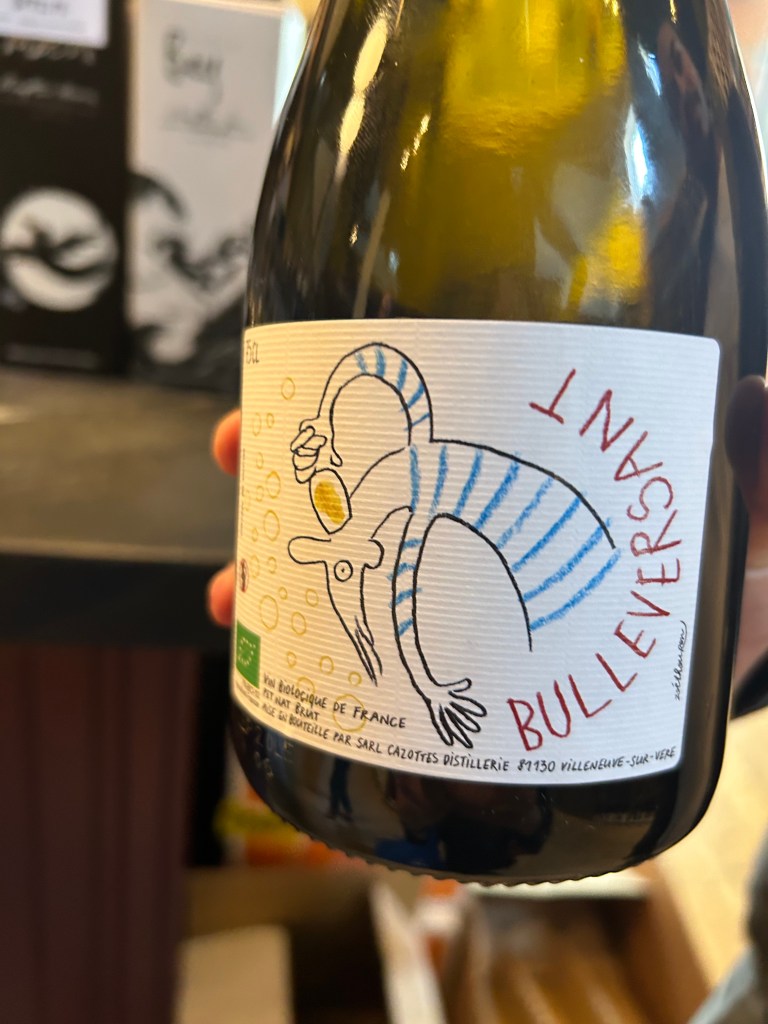
The bonus tasting is from a place I’m familiar from past events, Laurent Cazottes. The farm produces incredible liqueurs from tomatoes, walnuts, pears, plums and grapes. 2015 Folle Noir (discount $34.51) is made with 50-plus-year-old grapes, its whole berries macerated in a distillate from Folle Noir from the previous vintage. I bought three bottles, some for gifts.
Thanks, Erik, for hosting an epic wine session. Your Calgary customers badly needed the ‘pour-fact’ guidance from their favourite wine expert, who always uncorks the secrets of superb wines.
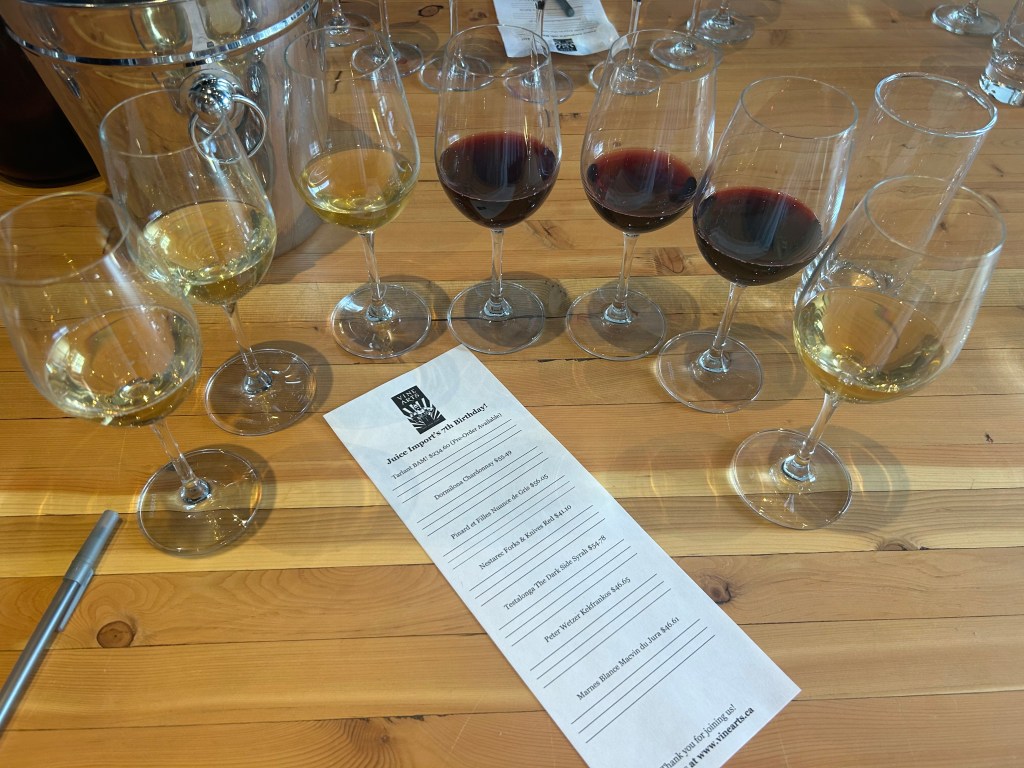
Juice Imports celebrated their 7th birthday with a special tasting that sold out within 24 hours of posting. I scored the last two tickets ($45) and invited Lululemon as my plus one. Let’s listen to “Birthday” by The Beatles for this post.
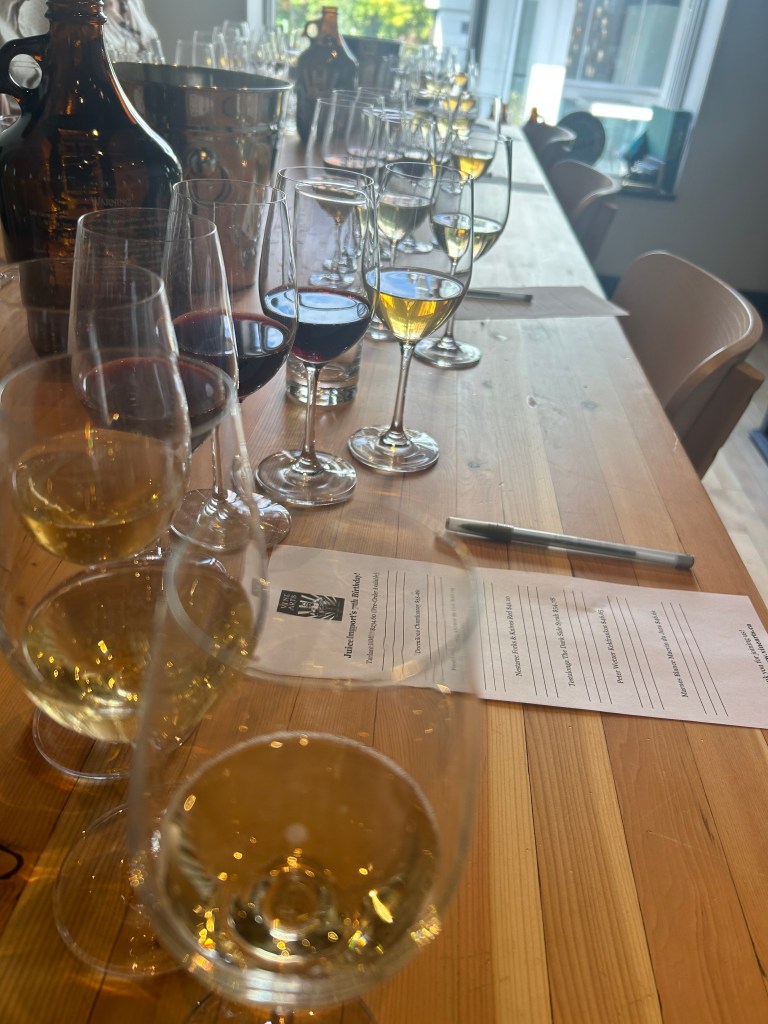
Co-owners Mark and Erik selected some ultra-rare wines, including top-tier champagne, for this line-up. First up was Tarlant BAM! ($234.60). I took a sniff and thought the scent was pleasant, not yeasty like some champagnes. The bubbles were soft, and the flavour was bright and fresh. Erik informed us the grapes are the alternative varieties, the unsung grapes of champagne, Petit Meslier, Pinot Blanc, and Arbane.
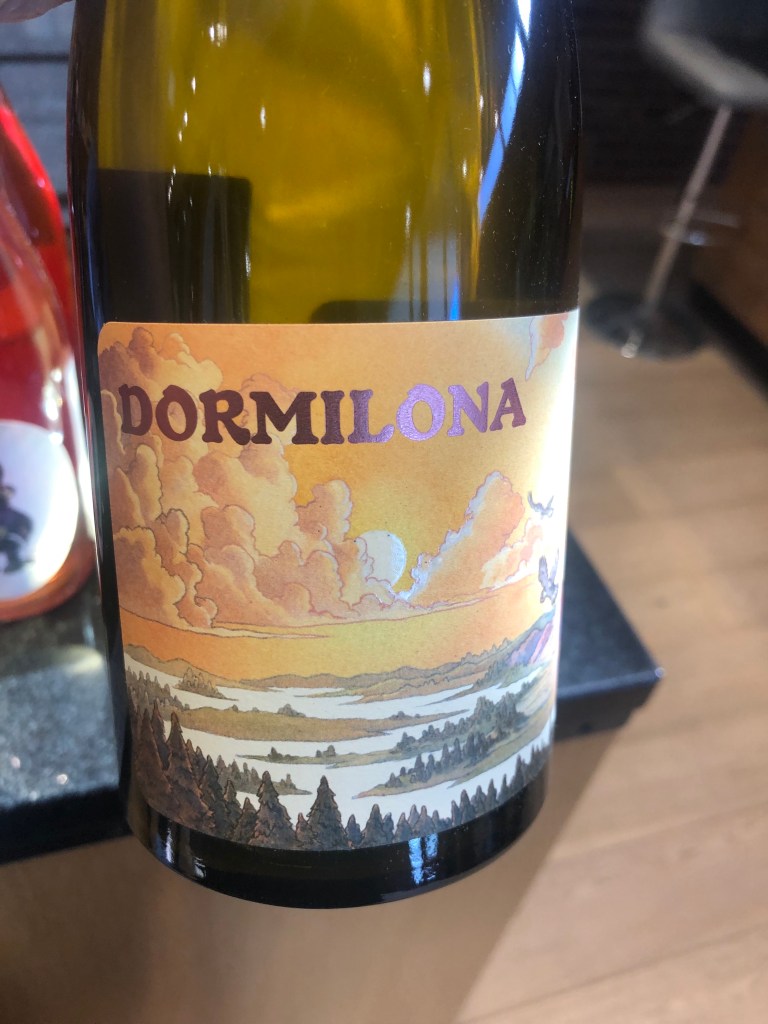
Next was Dormilona Chardonnay ($55.49), an Australian winery I’m familiar with from Juice Import’s past tastings. I smelled butter. The texture was smooth, and it tasted oaky. Lululemon liked this one so much that she bought a bottle.
Our third wine was from Quebec, Pinard et Filles Nuance de Gris ($56.06). The scent reminded me of cider. Cloudy in colour, I enjoyed how the flavour woke my tastebuds. Erik commented on the ridiculous amount of texture and the pretty aromatics.
The four wine was from the Czech Republic. I’m familiar with Nestarec, and I’ve drunk lots of their sparkling and rose wine, Danger 380 Volts and Ruz being my favourites. This wine was a red Forks and Knives Red ($41.10). The more I sipped it, the more I enjoyed it, more so for the pretty fragrance.
The fifth wine is from South Africa, Testalonga. The Dark Side Syrah ($54.78) is the first red wine I enjoyed from South Africa, as I found the wines from this country too minerally in the past. I’ve also enjoyed Testalonga’s sparkling wine, which I found at Missy’s This That. Lululemon lived in South Africa and told me she loves their wines. Erik described this wine as elegant but raw, with an aroma that reminded him of some of the country’s native plants.
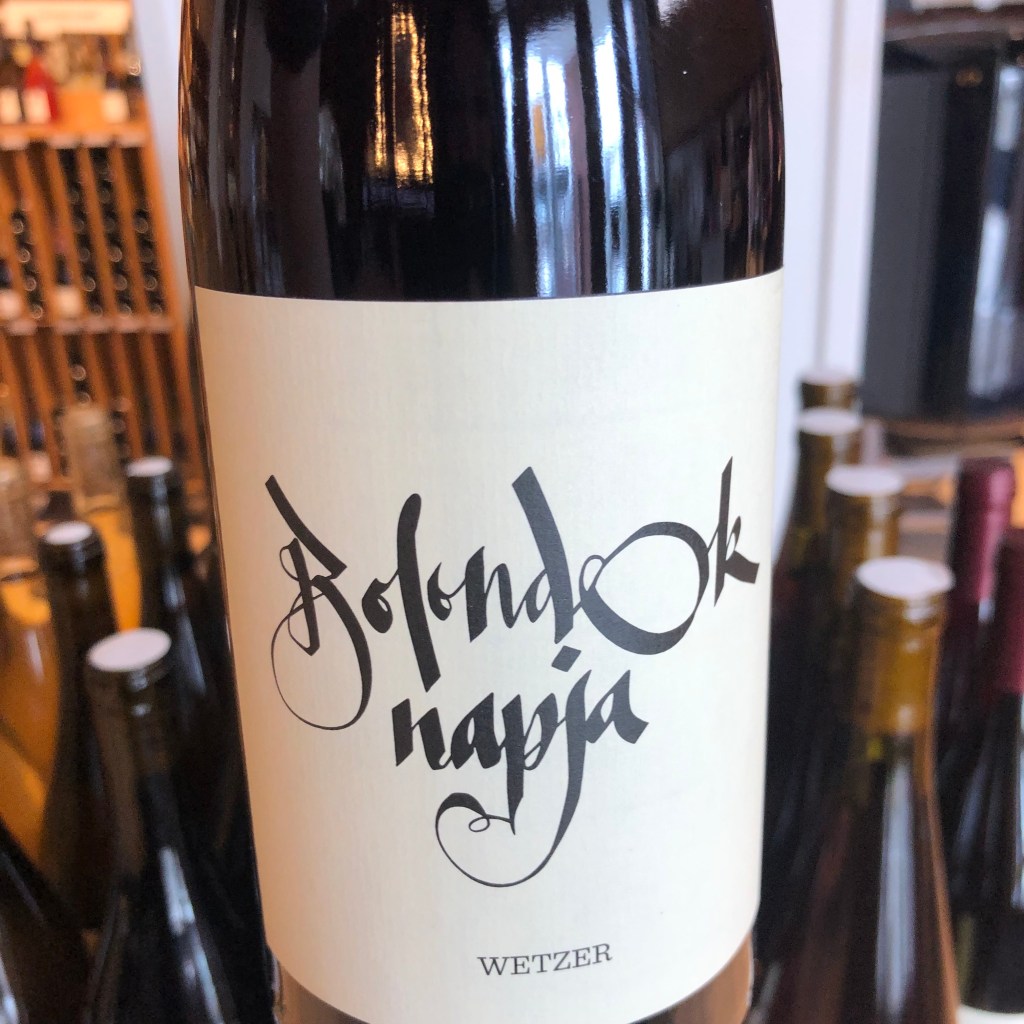
The fifth wine was Peter Wetzer Kekfrankos ($46.65). The wine smelled sweet but wasn’t, more like a savoury black plum. I’m a fan of Peter Wetzer’s wines, and this one was right up my alley. I asked Erik why wines don’t taste like they smell. He pointed to temperature and environment and sense of smell versus taste. The temperature in your mouth differs from the room temperature in which you smell the wine. This climate difference can affect the volatilization of aromatic compounds in the wine and change the acidity and molecules. Also, when you smell wine, you are using your sense of smell and can detect various aromatic compounds, but when you taste, you are using your sense of taste, which is more basic, like sweet, salty, and bitter.
The last wine was my favourite. Marnes Blance Macvin du Jura ($46.61), from Domaine Des Marnes Blanches. Whenever Erik and Mark pick up a wine from this winery, I buy a bottle. Erik described this wine as “fiery” like brandy, with a grapey flavour and balsamic notes. This wine was sweet, so I planned to pair it with dessert at my next dinner party. Erik recommended pairing this wine with a fruit pavlova or comte cheese. I have a collection of Marnes Blanches wines that need to be drunk soonish, as I’m pretty sure my kitchen cabinet isn’t the ideal storing temperature.
Lululemon is hosting a party and asked Erik to help her select some bottles to pair with her food and theme. I’m excited to attend and I can’t wait to experience another chapter in our wine adventure.
Cheers to Juice Import’s 7th birthday, to their friends and customers who share their passion, and to the countless bottles waiting to be drunk. Here’s to the never-ending journey of savouring life, one sip at a time.
I had an extra Juice Import’s Harvest Tasting ($25) ticket because Beep Beep had to cancel her trip to Calgary. As Lululemon already bought two spots for herself and her fiancé Books, I invited Foodiegal as my plus one. For this post, let’s listen to “Got ‘Til It’s Gone” by Janet Jackson.
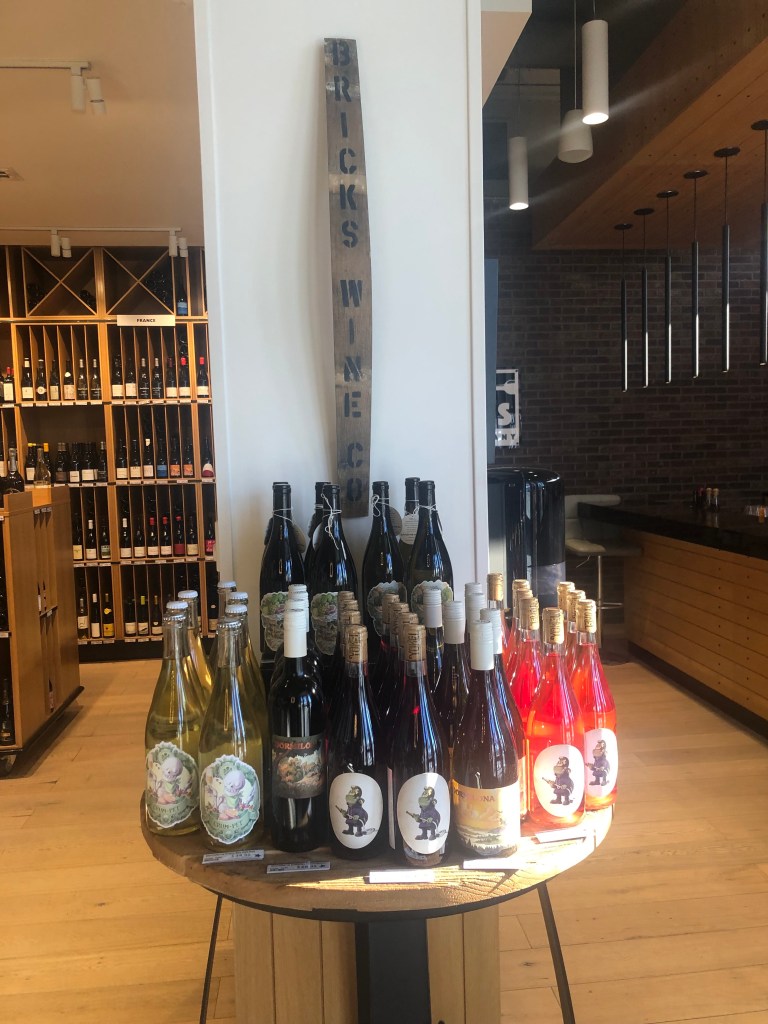
Foodiegal waited for me outside Bricks Wine Co. We signed in and partook in welcome bubbles from Brand Bros, Pet Nat ($38.95) when we walked inside. Foodiegal enjoyed the clean, soft bubbles so much that she put this bottle on her wish list.
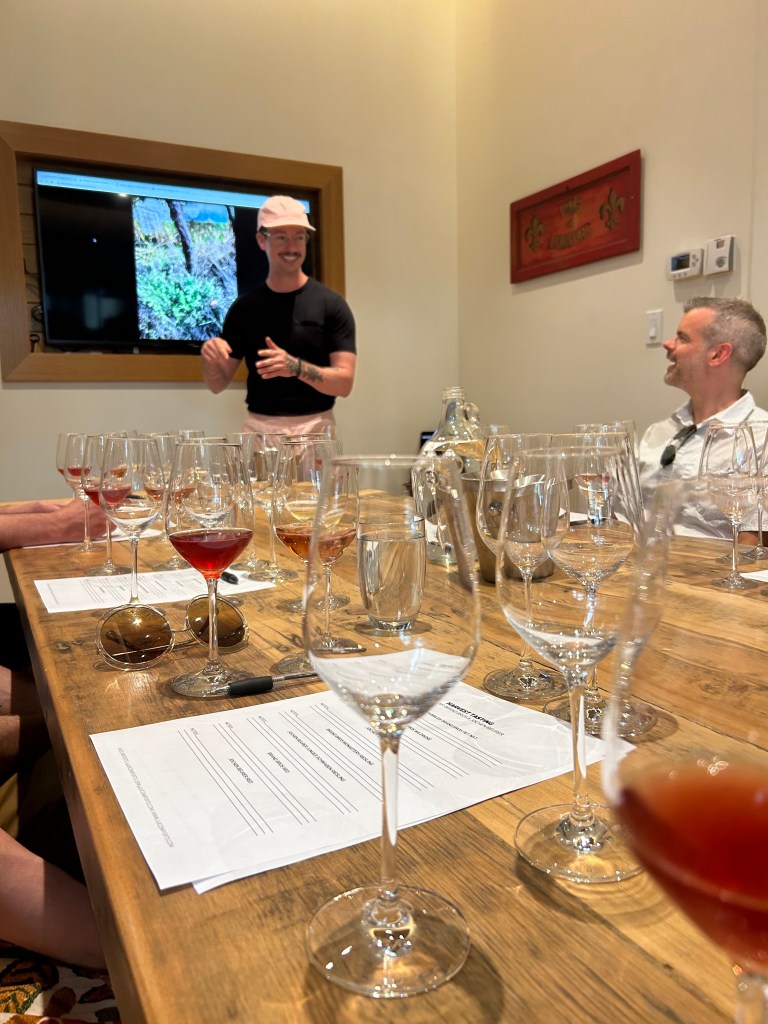
The theme of this tasting was a comparative analysis between Brand Bros and Jochen Beurer, two wineries in Germany where Erik helped to harvest the grapes. He started us off with a “serious” rosé, Brands Bros 2020 Wildrosé ($34.95), a wine with incredible intensity. The grapes are from 50-year-old Portugieser vines, and the harvest for this vintage was excruciatingly hot and dry. As this rosé is unfiltered, the owner, Daniel, instructs customers to shake and wait ten minutes for the particles to settle. We admired the colour and how the light reflected off the sediment floating in the wine.
If Wildrosé is considered serious, Jochen Beurer Rosé ($29.95) is carefree with its soft, gentle flavour. Erik described the wine as “bright and juicy, with a ton of freshness.” Foodiegal and I enjoyed this rosé. Erik noted this vintage is the product of all the grape varieties, and “then the juice is bled off and spontaneously fermented to full dryness in stainless steel before élevage and bottling.”
Erik took a sip of Brand Bros Monastery Riesling ($46.95) and sighed at its haunting complexity and proclaimed that this was everything he loved about wine. Cloudy in colour, I appreciated how the Riesling sparkled against my tongue. Erik informed us that the fifty-year-old vines are planted in limestone-dominant soil, which helps preserve acidity, even in scorching weather. Lululemon and I bought a bottle because it was that good. Foodiegal wasn’t a fan, so I drank her glass. Unfortunately, I forgot to ask Erik what to pair with this Riesling.
Erik asked us which we enjoyed more, the Monastery Riesling or Jochen Beurer Jungrs Scwaben Riesling ($59.95). About half the group preferred the Jungrs Scwaben. I favoured the yum factor of the Monastery, but I still appreciated the richer, smoother, sweeter Riesling from Beurer. I asked Erik why does Germany have the best Rieslings? Erik reckoned it was a combination of factors. Perfect climate, soil, and having a thousand years of experience create generational knowledge that gets passed on.
I was pleasantly surprised by Brand Bros Red ($31.95). Quaffable, with a pretty scent and soft carbonation. Erik mentioned this red was easy to pair with lots of food. Lululemon, Foodiegal and I bought a bottle.
The Jochen Beurer Red ($29.95) was heavier and richer in taste than Brand Bros. I was surprised how much I enjoyed the red wines because Germany’s famous for Riesling. I was particularly impressed with the sparkling red. I wondered why these two German wineries offer such high-quality, reasonably priced wines compared to some other wineries. Erik explained the land is cheaper in Germany, and their harvest produces high-yield crops, unlike pinot noir or more difficult grape varieties. As well, the government offers subsidies.
I learned that Erik also hosts private parties. I may enlist Erik’s service when my sister Me Shell visits me this summer. I can’t think of a better way to spend an evening. Supping on steaks and sipping on fine wines while listening to Bard Erik recite his journeys tasting the most natural wines in the most unlikely places.
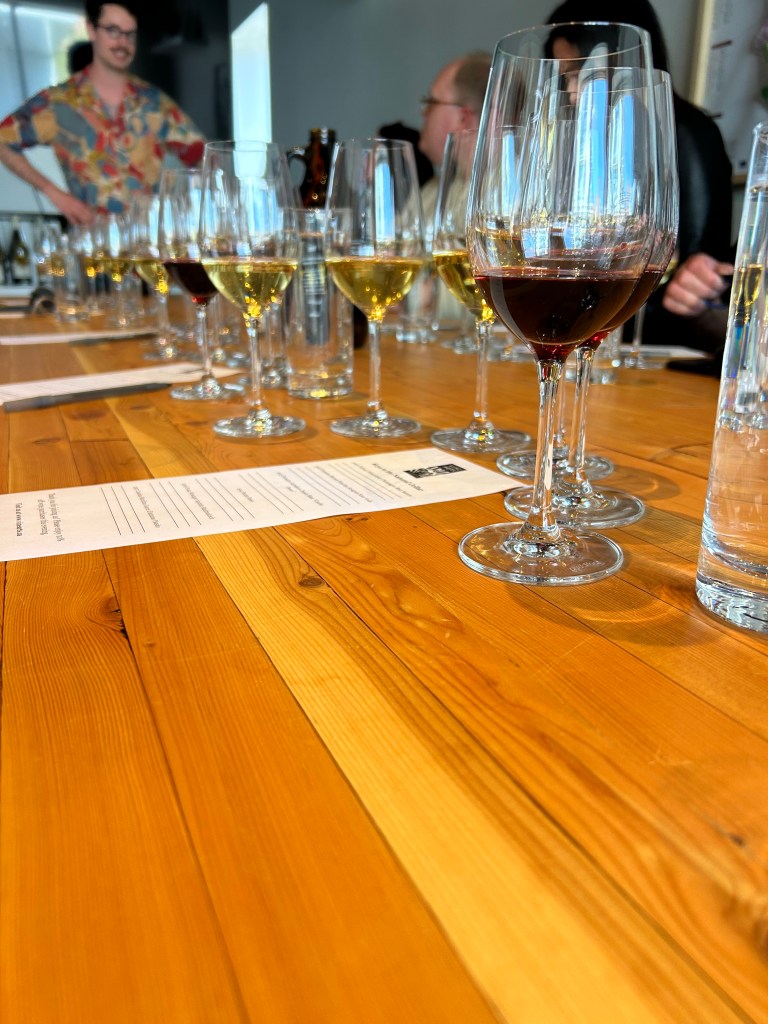
I attended Juice Import‘s Keys to the Natural Cellar ($35) event on Sunday at Vine Arts on 17th Ave SW. I was looking forward to this particular event because Erik featured natural wines that showcase an ability to age gracefully, which I need to learn to do. For this post, let’s listen to “Shiny Happy People” by R.E.M.
When we arrived, a staffer gallantly poured us a flute of prosecco to sip as we looked around. The whimsical setup of the shop reminded me of the Leaky Cauldron in Harry Potter. After a few minutes, we were escorted upstairs to the tasting. Lululemon was pumped to attend as she thinks Erik is one of the fascinating wine gurus in town. She asked him if he would host a wine tasting at her office. We discovered he does; the cost is only the wine purchased for the tasting.
Erik began with a question. Can natural wine age? The first wine we tried was 21 years old, almost as old as me.
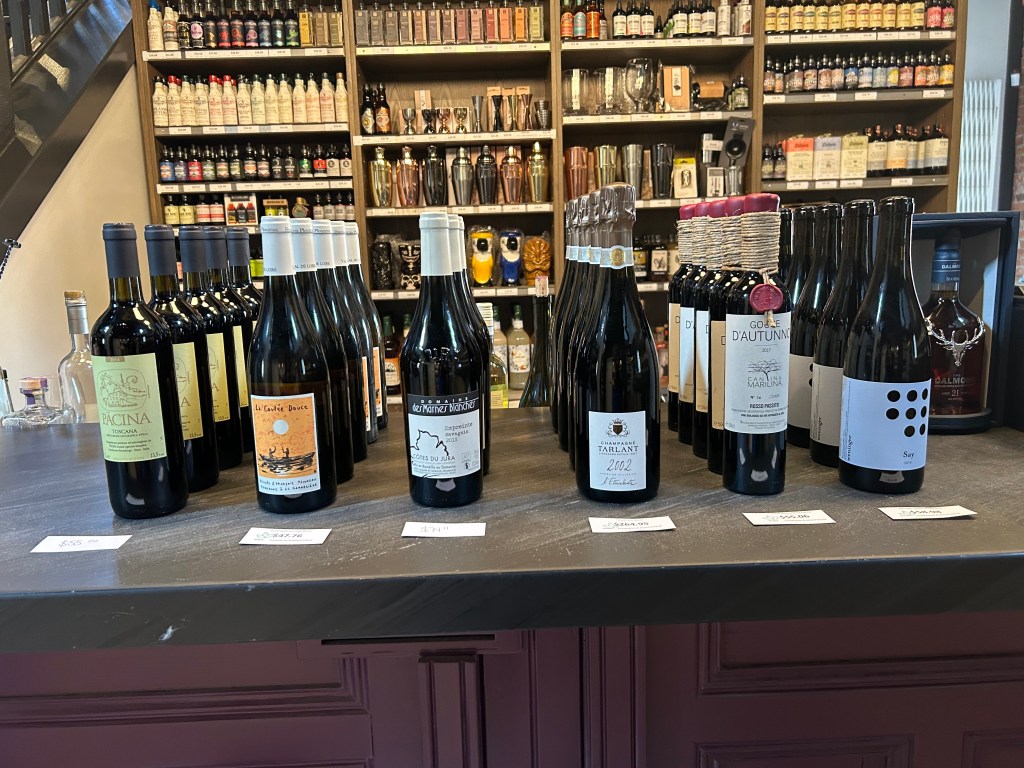
The 2002 Tarlant l’Etincelante Champagne Brut Nature from Champagne, France tasted softer and cleaner than its initial prominent scent. He noted that people often drink prosecco regularly and champagne on special occasions, which makes it even more pronounced how different they are from each other. One is young and fruity, while the other has yeasty characteristics and not as bubbly. Erik found the champagne satisfying, full of umami. At around $275, it was a treat for everyone at the table to try a champagne from a winery with such stringent standards for fermentation. The owners refuse to release any wine unless it is fully mature.
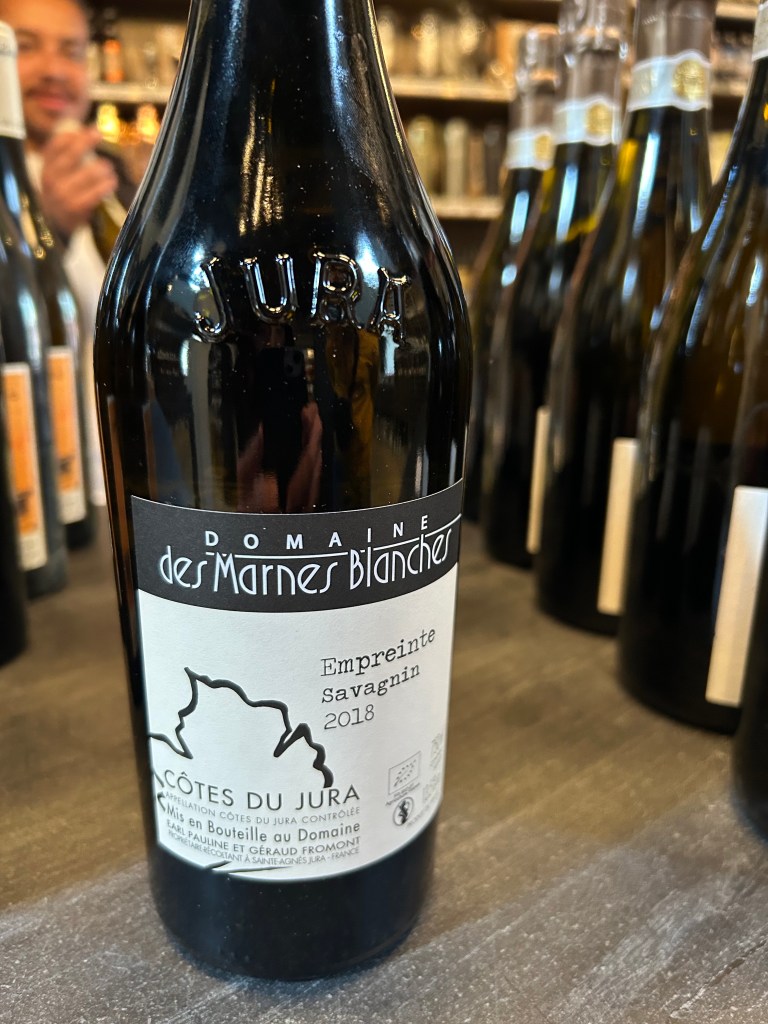
Next was the 2018 Domaine Marnes Blanches Savagnin Sous Voile from Jura, France ($75). Marnes Blanches is one of my favourite wineries; their wine is always a hit at my parties, as it is so easy to pair with melted Comte cheese. Lululemon could smell maple. While it smelled sweet, Erik described notes of camomile and fresh, dried and bruised apple. We learned this wine comes from 45+-year-old vines grown on marl and limestone. I loved this one so much that I bought a bottle, as did my friend. Erik recommended pairing this cuvee with something fatty and raunchy, like salty almonds or raw clams.
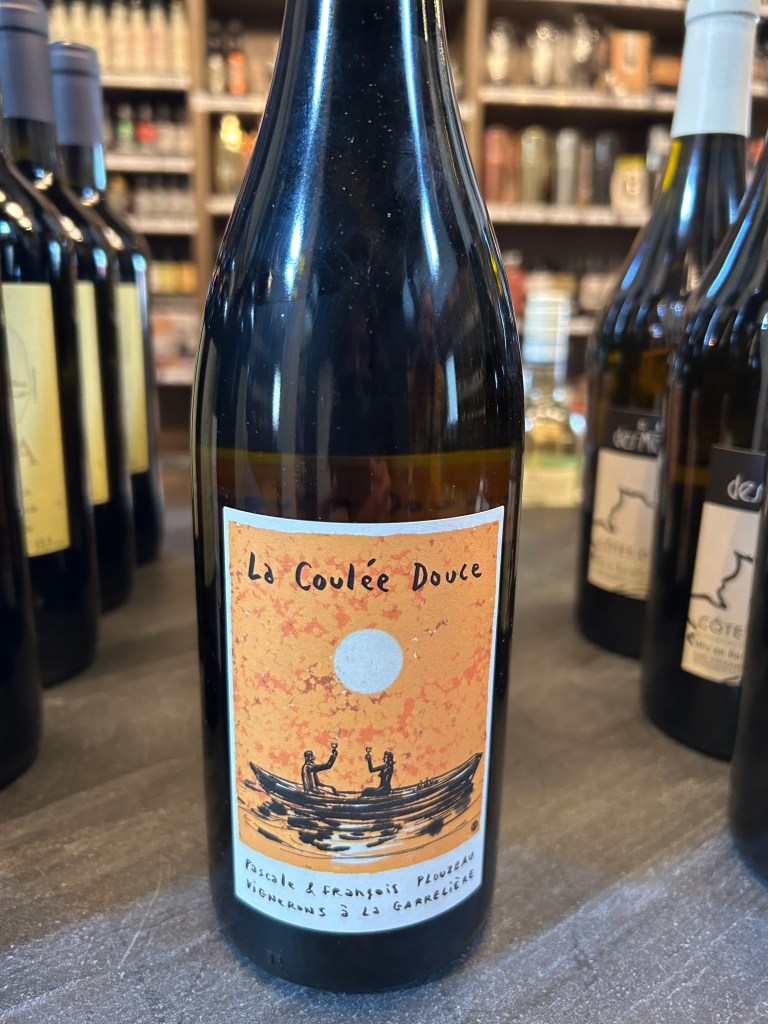
Our third tasting was a 2015 white wine, Domaine Garreliere Chenin Blanc “Coulée Douce” ($45), from Loire Valley, France. This wine smelled bright and floral, and the texture was much lighter than the previous wine. Erik described the notes of stonefruit and pointed out the green tinge of colour. We liked this one so much that we bought a bottle as well. Erik recommended pairing this wine with mushrooms, morels, or gorgonzola. There was a cheese master in the room, and he recommended a gouda, such as a Dutch Grasskass.
Erik described the next wine, the 2014 Pacina Rosso from Tuscany, Italy, as a classic old Italian wine that tastes just as the winemakers intended. Pacina seldom releases their vintages consecutively as they wait for the wine to reach optimal maturity. I found the scent pretty, but my favourite red wine was the next one.
The 2018 Franz Weninger Saybritz Blaufrankisch from Burgenland, Austria, was bright and delicious. We admired the violet and red plum hue. I asked Erik about sentiment and why some wines have it, and others do not. He informed us that sediment comes from many things, such as skins, yeast, and colour. Leaving the sediment in (unfiltered) provides texture and quality as the natural tannins act as filters. In commercial wines, filtering wines provides that sterileness that some people have come to think as standard.
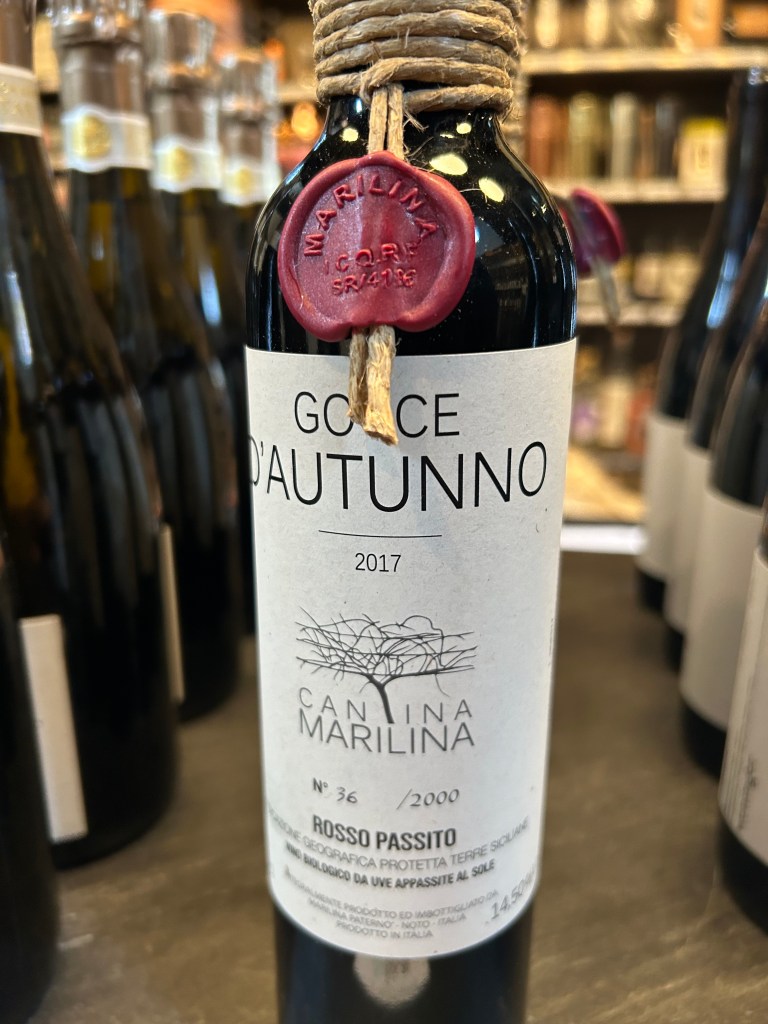
The dessert wine was a 2017 Cantina Marilina Gocce d’Autunno Passito from Sicily, Italy. Erik noted the “rapturous sunlight from Sicily” wine was baked under the sun for 10 to 15 days, and it is a bottle you could keep for a couple of decades.
I’ve been to a few tastings, and this might have been one of my favourite events because of all the neat things I learned. Thanks, Erik, for hosting these informative seminars and teaching us about natural wines.
I snagged tickets to Juice Import’s second-ever Pinot Fest ($50). Bricks Wine Co. sent an email recommending guests to eat beforehand due to the anticipated massive selection of wines. I invited Sunflower as my guest, as she is my number-one wine buddy. She, in turn, insisted on treating me to brunch a Deane House. Let’s listen to “Take Me To Church” by Hazier for this post.
We sat in the peaceful nook by the windows. The natural light filtering through the windows illuminated the white framed walls in the historic building. We both ordered the specialty mimosas ($13), I tried the house-made apple, and Sunflower chose the cherry flavour.
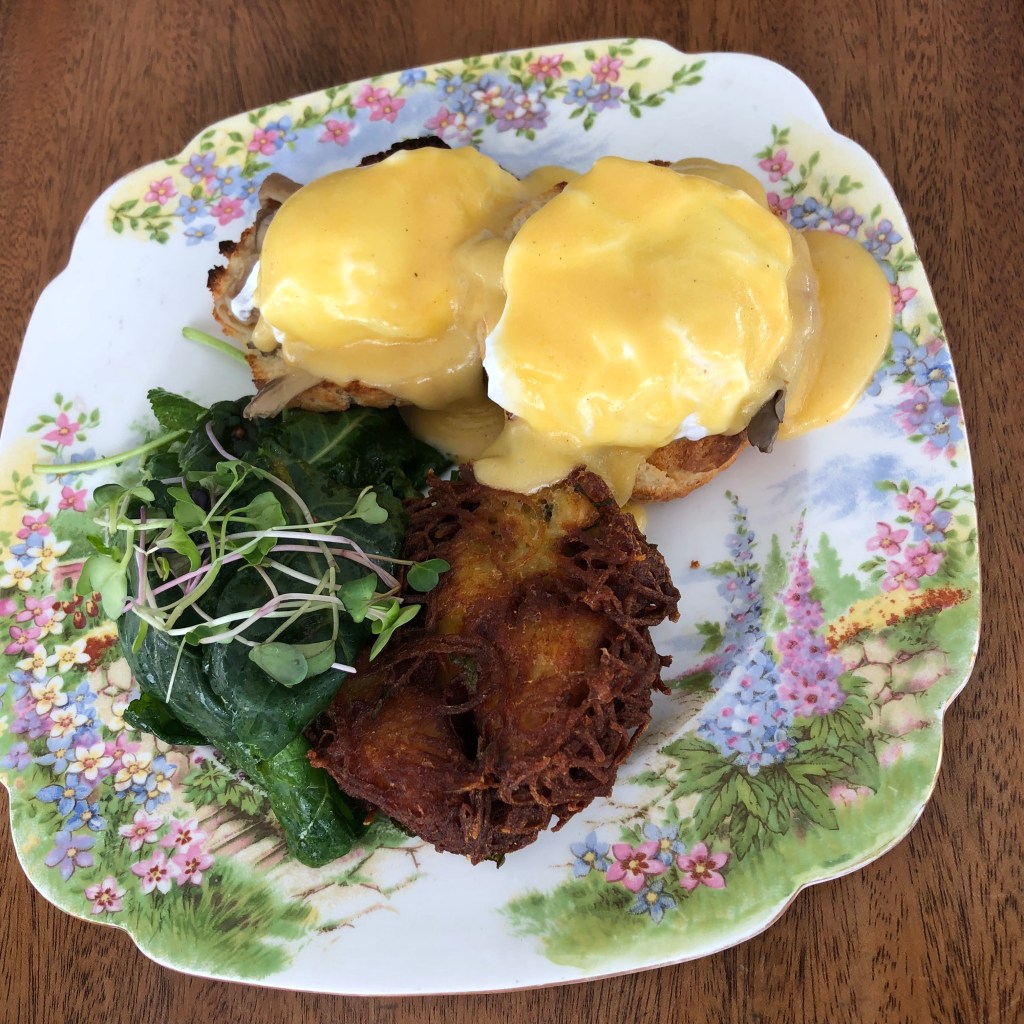
I was craving seafood, so I ordered the Salt Spring Island Mussels ($24) while Sunflower ordered eggs benny with potato rösti and house preserves ($18).
The mussels were of varying sizes – some were supersized and plump, and others more petite. The thick garam masala sauce made reddish-brown splotches on my white linen napkin. The shoestring fries were tasty and crisp, similar to Mcdonald’s but superior in caramelized potatoey flavour. Delicious, and a different take on the usual moules frites.
The service at Deane House is top-notch, from the welcoming committee at the front of the house to every employee we encountered. It’s a darling spot, and I enjoyed the experience.
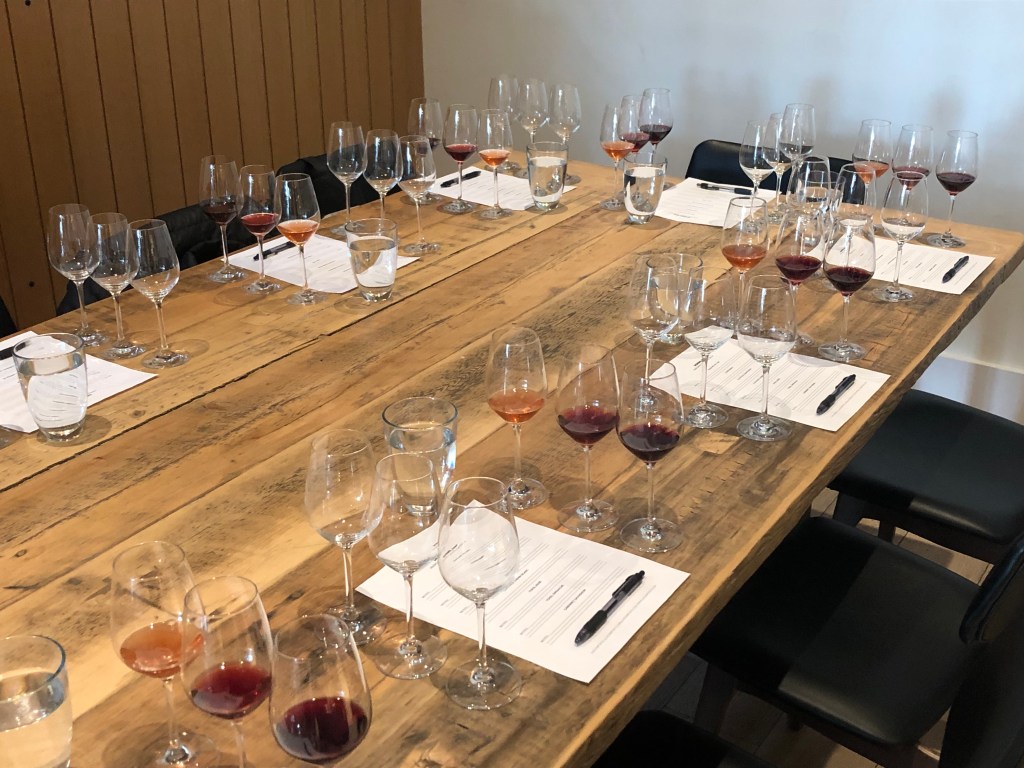
When we finished our food, we walked over to Bricks Wine Co. Our group was divided into two sections: bubbles and the red wine section. Like everyone in our group, I wanted to start in the champagne area. I pulled Sunflower to the front of the group because I predicted Juice Import co-owners Erik and Mark would remove the extra guests from the back. As usual, I was correct, and Sunflower and I scored the first part of the tasting in the bubbles section.
The crowd was different from the usual Sunday gang. I recognized only one Juice Import groupie, Coke. I spotted a woman who resembled the profile picture of a Calgary Herald food writer. I also recognized a bearded guy who was dining at the Deane House the same time as Sunflower and me.
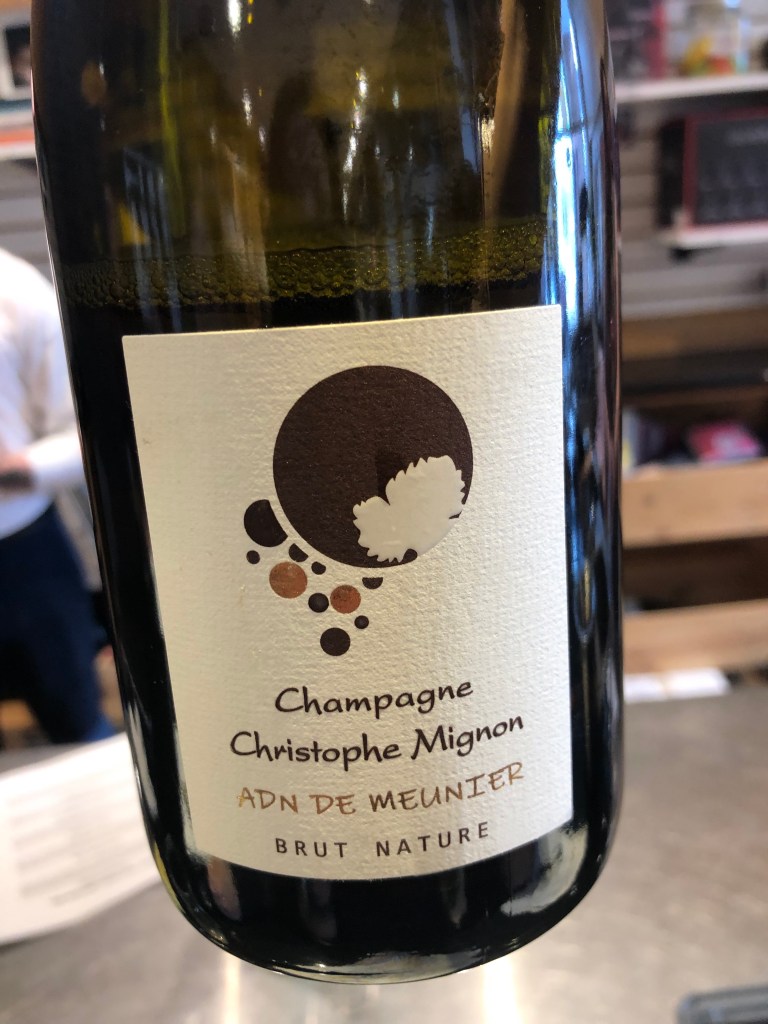
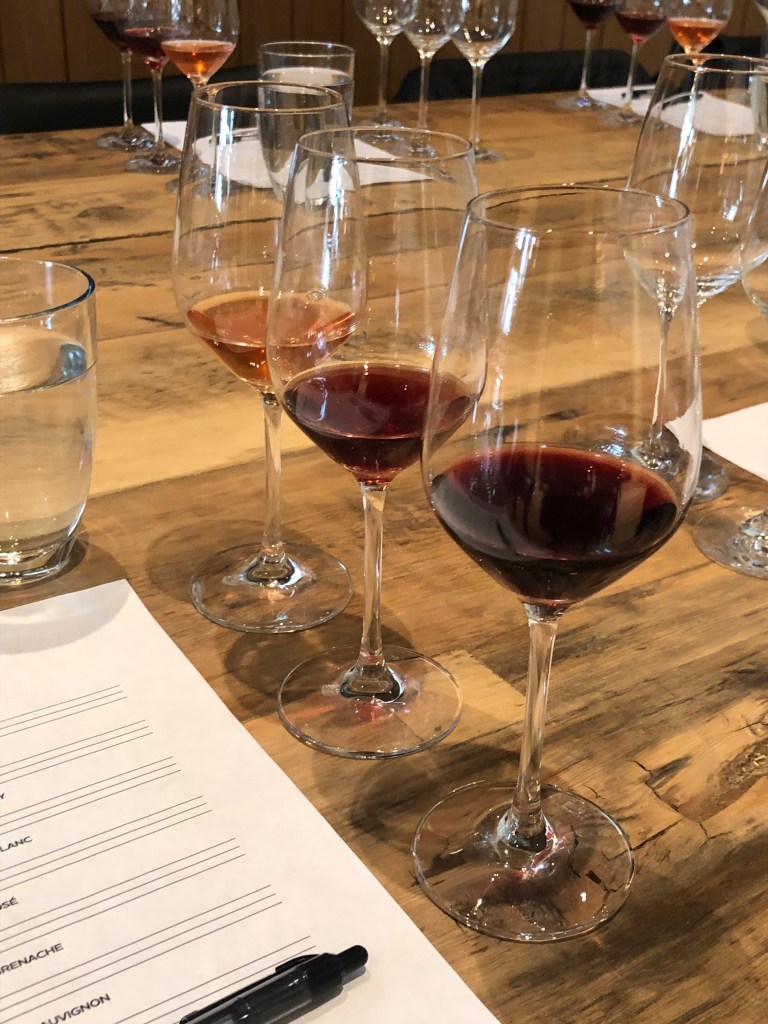
In total, we sampled 22 wines. There was so much to try, so out of the necessity of not turning this post into a novel, I’m only going to highlight my favourite bottles. For fizz, we tried three bottles: Adn De Meunier Mignon Champagne ($76.95), Vigne D’Or Tarlant Champagne ($104.95) and Vigne D’Or Tarlant Champagne ($201.95).
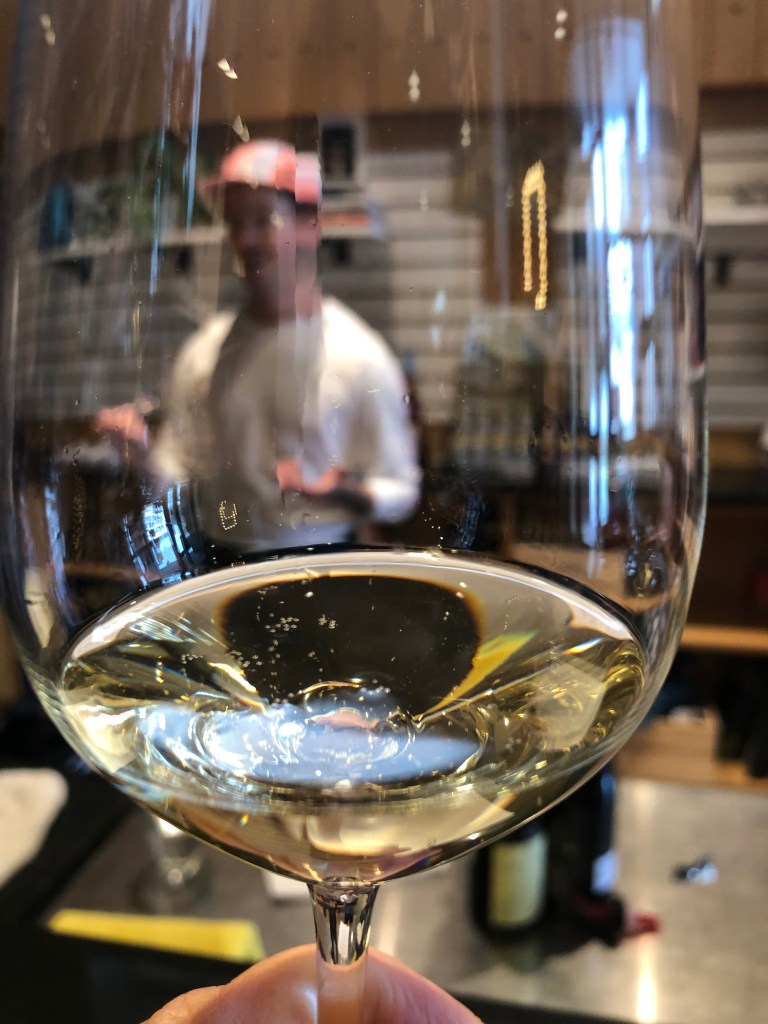
Erik described Adn De Meunier Mignon as “tight, fresh and minerally.” I enjoyed the gentle carbonation and thought it was a tad tart. The more I drank, the more I liked this one.
Sunflower and I loved the Migne D’Or Tarlant. She commented on the creamy mouthfeel, and I enjoyed the prominent carbonation. Coke announced if there was ever a time to eat potato chips now, it would now. I walked over to the bowl and scooped some potato chips for Sunflower and me to munch on.
At two hundred buckaroos, I was most curious about the Vigne D’Or Tarlant. Erik informed us the region was the coldest area in the Champagne area. Aged since 2006, we were surprised by the smoky flavour. Erik commented this champagne was “grippingly acidic.”
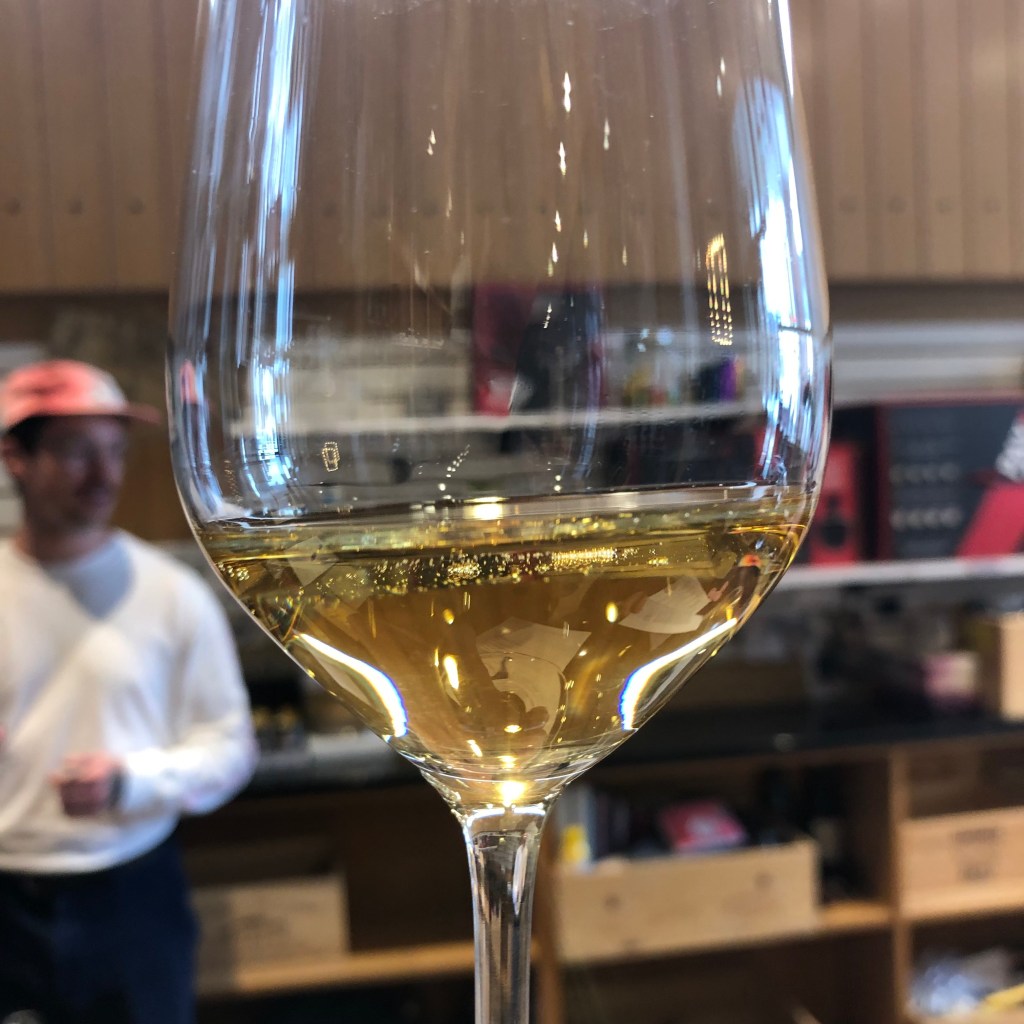
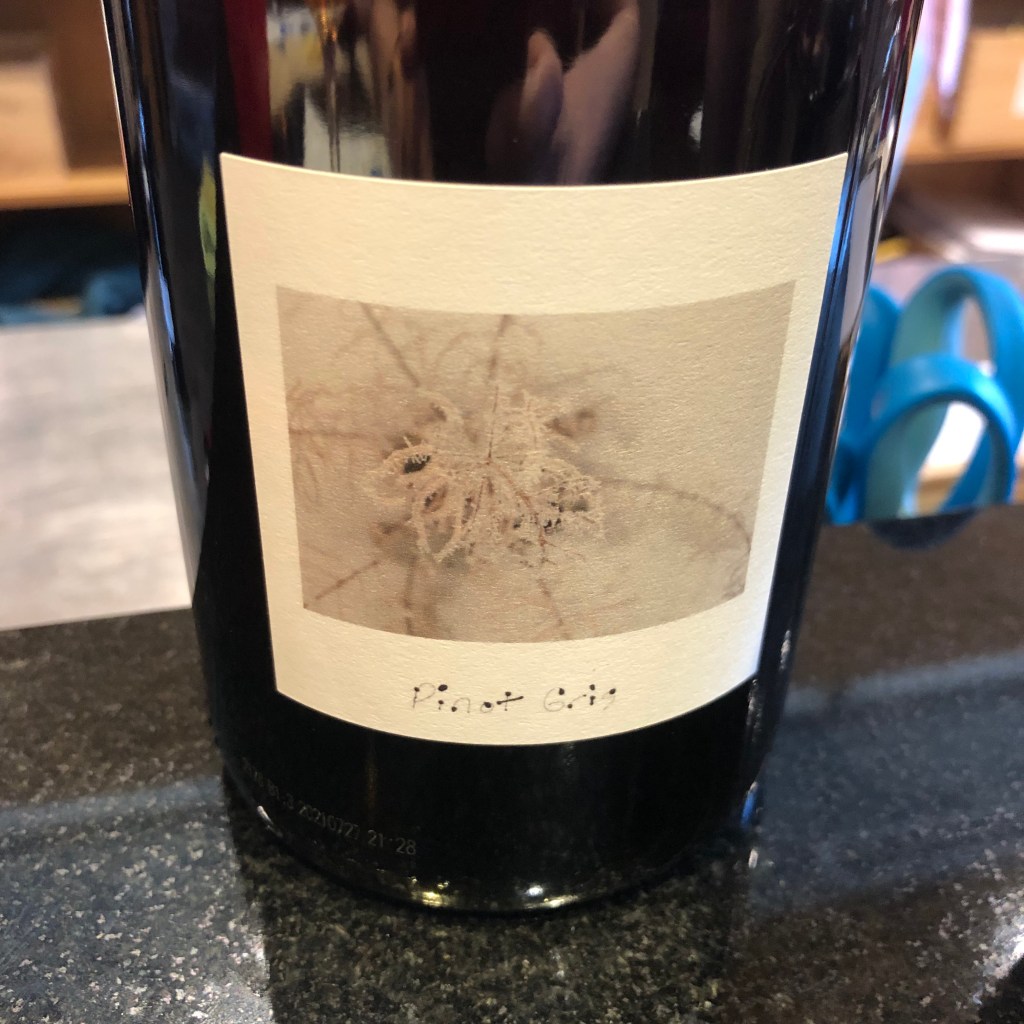
We moved on to white wines: Franz Weninger Feherburgundi ($29.71), Maloof Thistle Pinot Gris ($42.95), and Field Blend A Sunday in August ($45.96). I liked the Feherburgundi so much that I bought a bottle. The colour was cloudy and it smelled a little of the forest. Erik described this wine as minty, waxy, tart and lemony. Erik suggested pairing this wine with white asparagus or pork sausage.
At this point, I started to feel woozy. I followed the lead of the lady standing beside me. She sipped, smacked her lips, and spat into the wine spit bucket. She made a neat pinging sound, while my first few attempts sounded more like a cough and sputter.
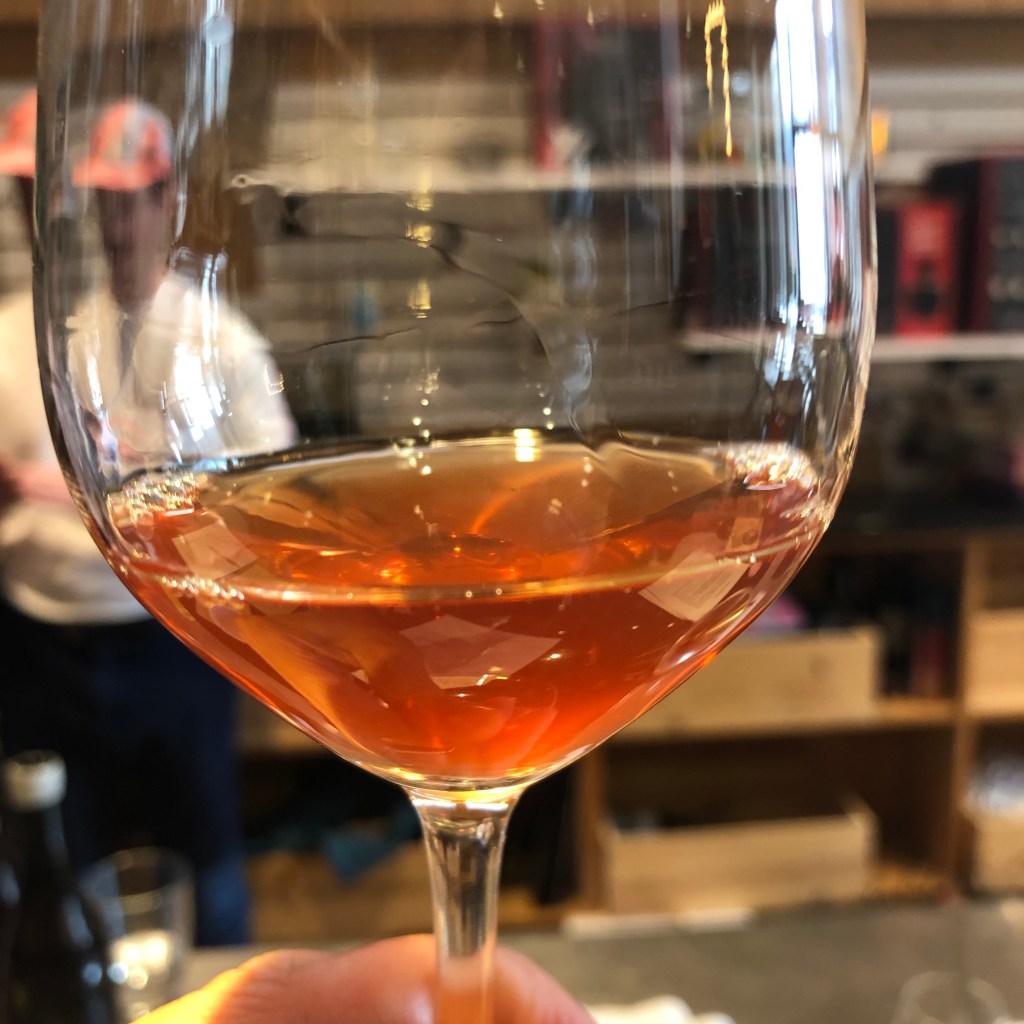
We tried three orange wines: Maloof Rouge De Cris ($44.50), Craven Pinot Gris ($35.96), and Else Pinot Gris ($46.95). The Craven wine was a stunner. The colour shone like a Christmas red stained glass window. Erik described this wine as approachable, meaning the flavours would be familiar to a North American audience. I tasted a hint of smoke. I snagged a bottle for an upcoming dinner party.
Our final tasting with Erik was Peter Wetzer Rose ($35). Almost all the 120 bottles that Juice Import received were sold to Bridgette Bar. He only had two bottles left to sell to us. I took a sip and was so impressed by the smooth, sweet flavour that I snuck away from the group and bought a bottle. Coke saw me and grabbed the remaining bottle.
Everyone was loud and merry when we switched to Mark’s section of red wines. I overheard my new friend Kat ask another woman if she was Elizabeth Chorney-Booth, the Calgary Herald food restaurant and CBC radio columnist. She confirmed she was, and Kat squealed in delight. Kat declared she was a fan girl of Chorney-Booth. Others chimed in with questions about restaurants, John Gilchrist and her writing style.
The first three pinots that we tried were the Claire Naudin La Plante ($40.95), Lighting Rock Elysia Pinot Noir ($54.95), and Lighting Rock Canyon View Pinot Noir ($54.95). Sunflower and I enjoyed La Plante. I managed to score one of the last two bottles.
Our table was boisterous, and everyone made side conversations throughout the tasting. I felt bad for Mark, who was valiantly trying to quiet us down and proceed with our wine tasting. I’ve been to more than six Juice Import Sunday tastings, but this was the first time the tasters spoke more than the presenters. We talked so much that a Bricks employee, who was pouring our wine, joked about hurrying up and chugging our fifty-dollar wines because we were running out of time and the next group was coming in.
Mark described how at one winery, he helped harvest the grapes. Sunflower asked about the hygienic practice of crushing grapes. Someone asked, did one have to shave their legs or clip their nails before commencing grape crushing? Mark tried to bring our rowdy laughter down and described the physical work that went into grape-crushing. Sunflower exclaimed that it sounded like a great workout. Coke heckled Sunflower and called her Miss Lululemon. You know, he’s on to something. She’s so fit, it’s intimidating. Hereon, I will refer to my friend as Lululemon.
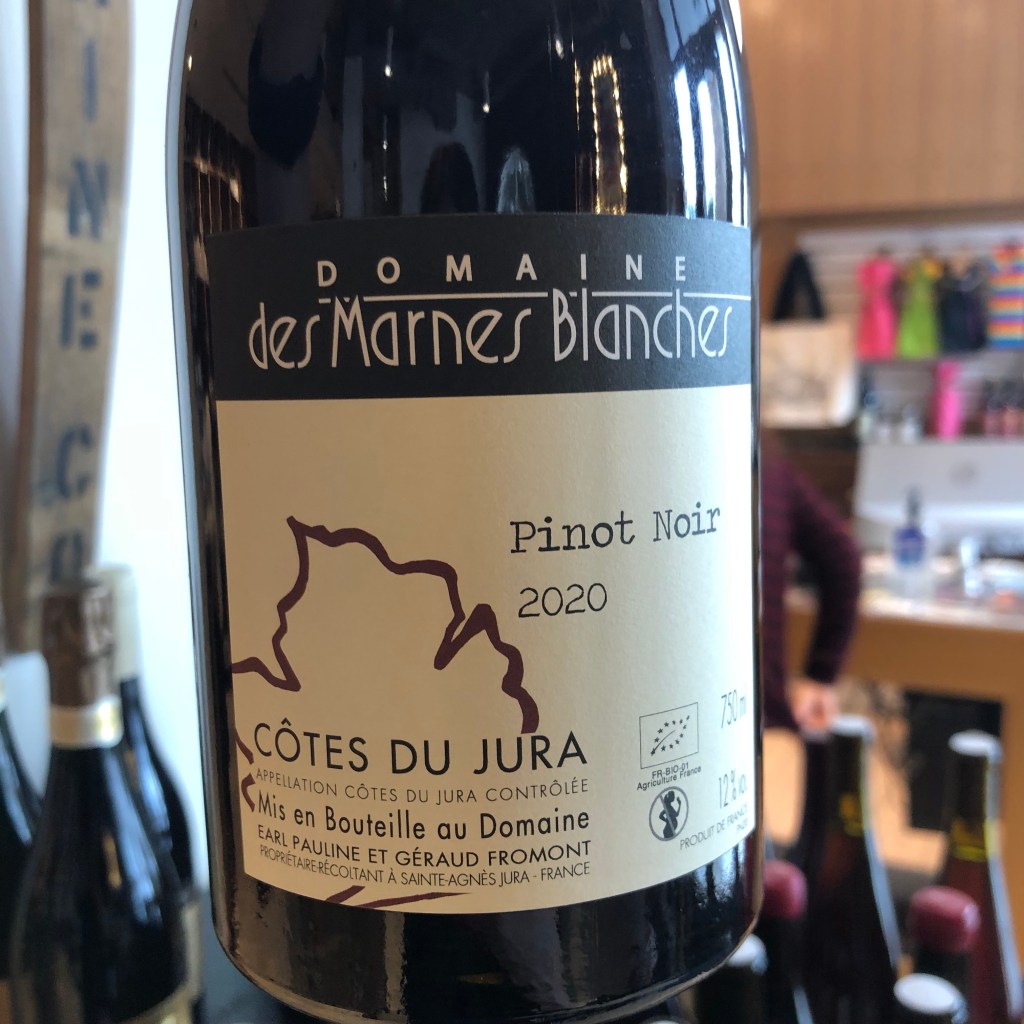
Franz Weninger Pinot Noir ($38.95), Marnes Blanches Pinot Noir ($54.95) and Hermit Ram Zealand Pinot Noir ($41.95) was the last trio of wines. Lululemon and I enjoyed the Franz Weninger Pinot Noir. I also bought one of the only two bottles of Marnes Blanches Pinot Noir. I thought this French beauty had a beautiful scent. Mark described the wine as aromatic, with black tea notes. He recommended pairing this wine with goat cheese and strawberries. Coke suggested a strawberry shortcake.
Elizabeth said she found the Hermit Ram wine spicy. Everyone at the table nodded in unison. Mark described the scent as tomato leaves. Lululemon and I sniffed and agreed it smelled like fresh garden tomatoes.
Many of the wines we tried are exclusive to the Bricks Store, and all the wines we tried were biodynamic and natural. I’m glad I got the opportunity to attend a power tasting as the Pinot-Fest was a rare wine rager. Thanks Mark, Eric and Erin for hosting the twice sold out event.
Last Sunday, Sunflower and I attended a natural wine tasting ($25) at Bricks Wine Store. Juice Import co-owner Erik Mercier showcased wines from Dormilona, a woman-led winery in Margaret River, Western Australia. For this post, let’s listen to “French Disko” by Stereolab.
An interesting fact about winemaking in Australia and the wine owner / maker Josephine Perry. The seasons in the Southern Hemisphere are the opposite of the Northern Hemisphere. Josephine hops back and forth between Western Australia and the Northern Hemisphere and doubles the wine she can make. Furthermore, the harvest times in Australia is from January-February and March-April in New Zealand, which allows her to add a third harvest.
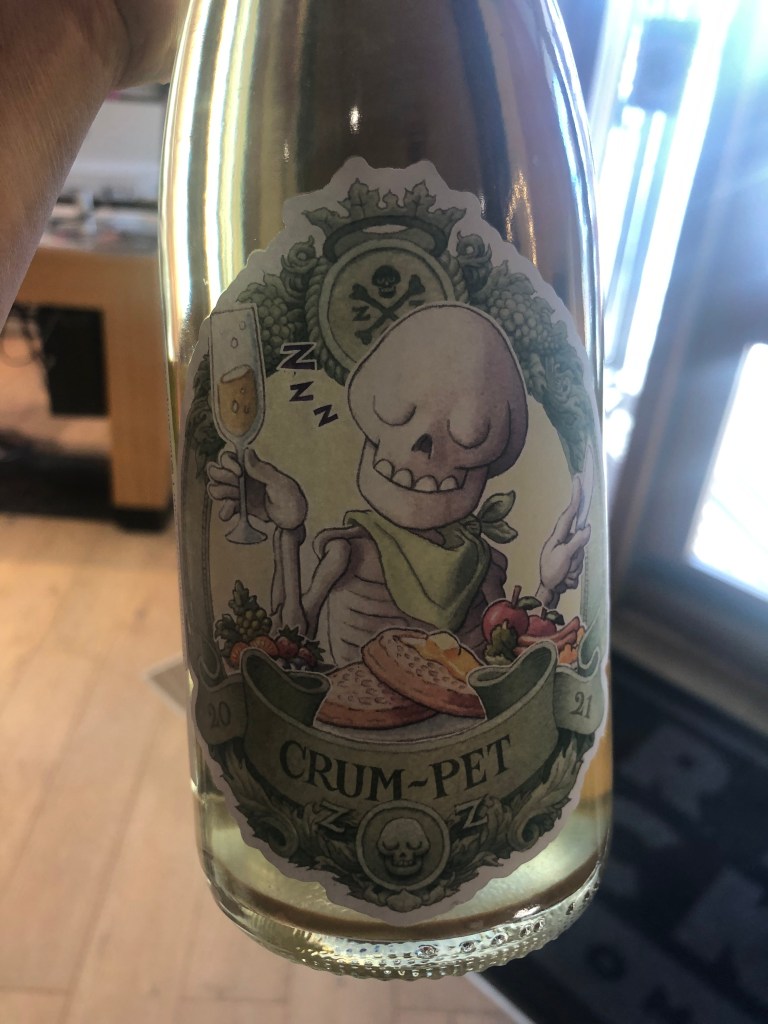
Josephine’s intense work ethic results in a dawn-to-dusk schedule. Being so busy means she rests when she can and is known for falling asleep at the dining table. This drowsy habit turned into her moniker, wine label and the name of her winery. Dormilona translates to “lazy bones,” and a sleepy skeleton is the motif.
The first wine we tried was a 2022 Crum Pet ($44.95). Erik described this sparkling wine as friendly and clean, with tangy lemon zest. Erik noted this wine is bottled while still fermenting, resulting in a naturally sparkling wine.
The 2020 Chardonnay ($53.96) had a strong scent with a pleasant aftertaste. Erik mentioned the grapes come from an impeccable biodynamic farm called Burnside Farm, and the method of dry farming results in highly concentrated grapes. He likes the soft texture and gentleness of the 2021 chardonnay. I found this wine a little buttery.
The grapes from the 2021 Clayface Chardonnay ($75.95) come from the same vineyard as the previous wine we tried, except only the very best fruit is used for this vintage. Sunflower tasted kumquat, while Erik described clementine. I say potato, potahto, tomato, tomahto. Erik mentioned this is Josephine’s top chardonnay cuvée, with only 45 cases produced and each bottle hand numbered.
The next wine, a 2022 Clayface Chenin Blanc ($75.95), is even rarer, and Juice Import’s first-ever allocation of Josephine’s top chenin blanc, with only 25 cases produced. There are only six bottles of the 2022 Clayface Chenin Blanc in Calgary and six in Edmonton. Erik sniffed, sipped and sighed that this was a crazy good flavour.
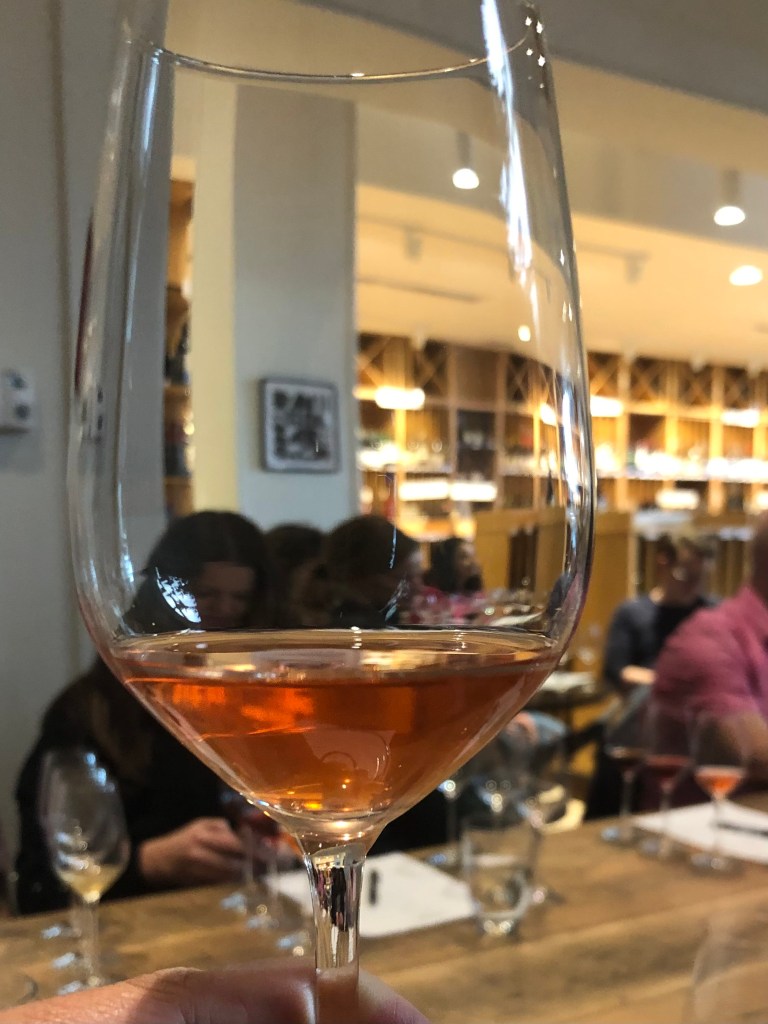
My favourite wine is the 2022 Yokel Rosé ($35.59). I’m not usually a rosé fan, but this was just sumptuous. Erik thought there was plenty of structure, complexity and nuance. The grenache grapes are farmed from the hottest commercial region in Australia. I bought three bottles of the rosé.
The 2022 Yokel Grenache ($38.95) is Erik’s favourite in the lineup. He tasted cherry pie, cherry danish and fresh cherries. Sunflower tasted blood orange. Sunflower and I both bought a bottle of the grenache.
The last wine we sampled was the 2021 Cabernet Sauvignon ($68.95). Erik called this an “intense, luxurious, but not heavy.” I bought a bottle for my sister Me Shell, who’s visiting me in July. I know her taste, and she would love this style of wine.
Erik should consider becoming a full-time wine lecturer. I don’t know if there is a university for natural wines, but he should look into it. His passion is so evident you can hear it in his voice and see it in his eyes. I’m looking forward to the next Juice Import event, a raging, sold-out Pinotfest.
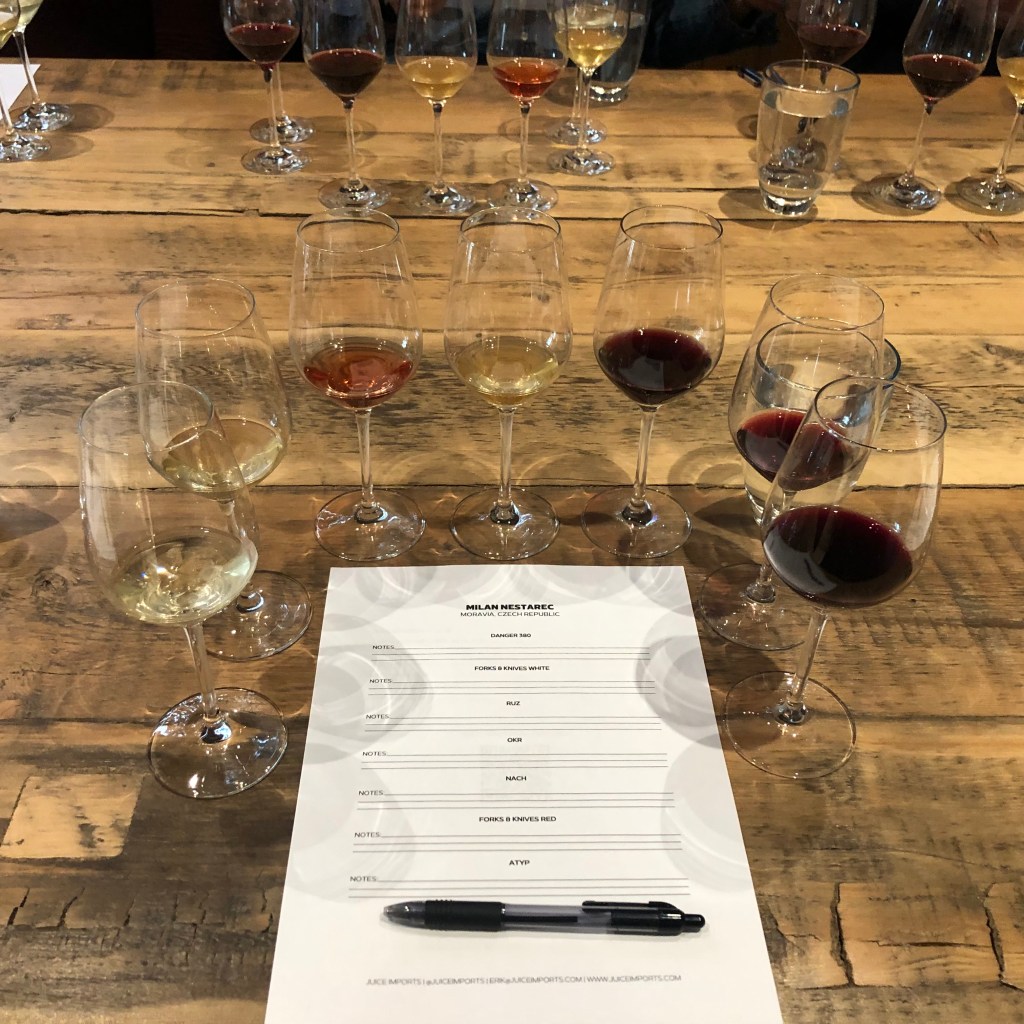
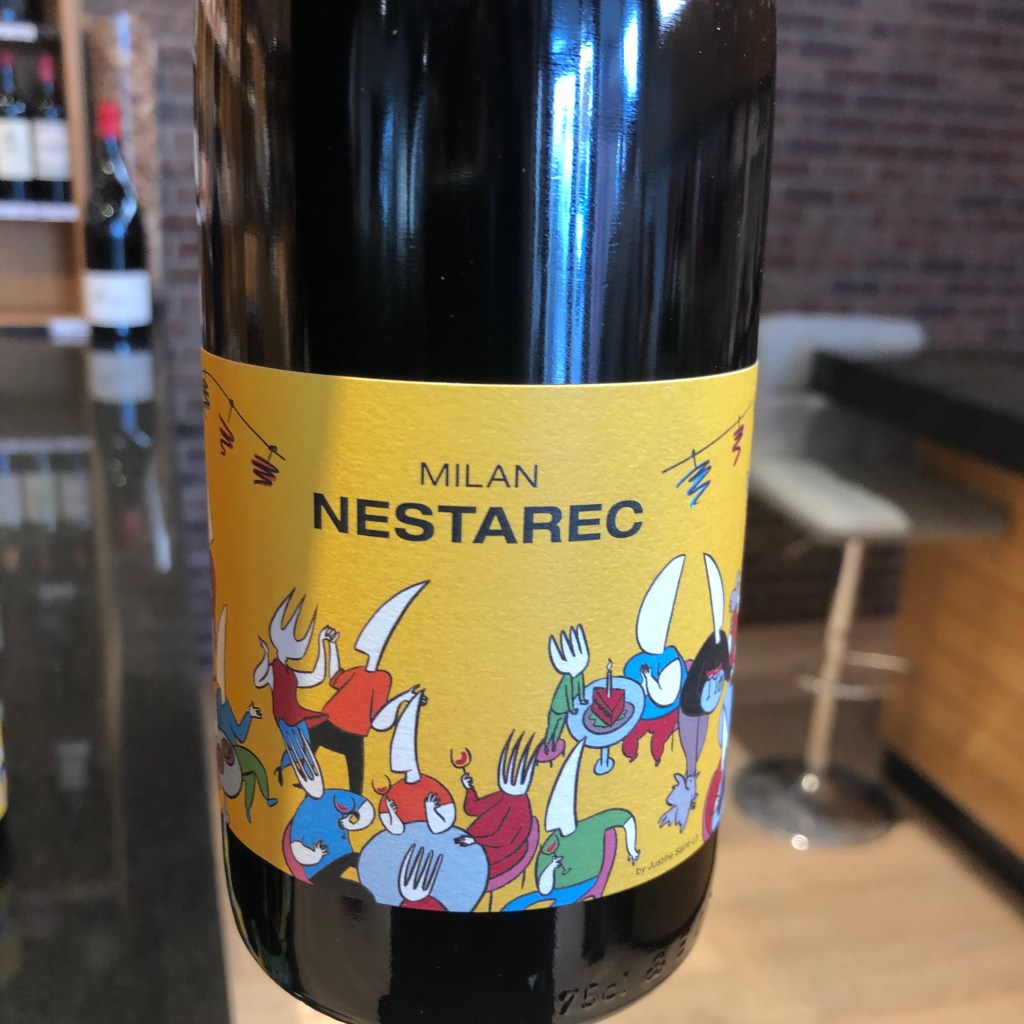
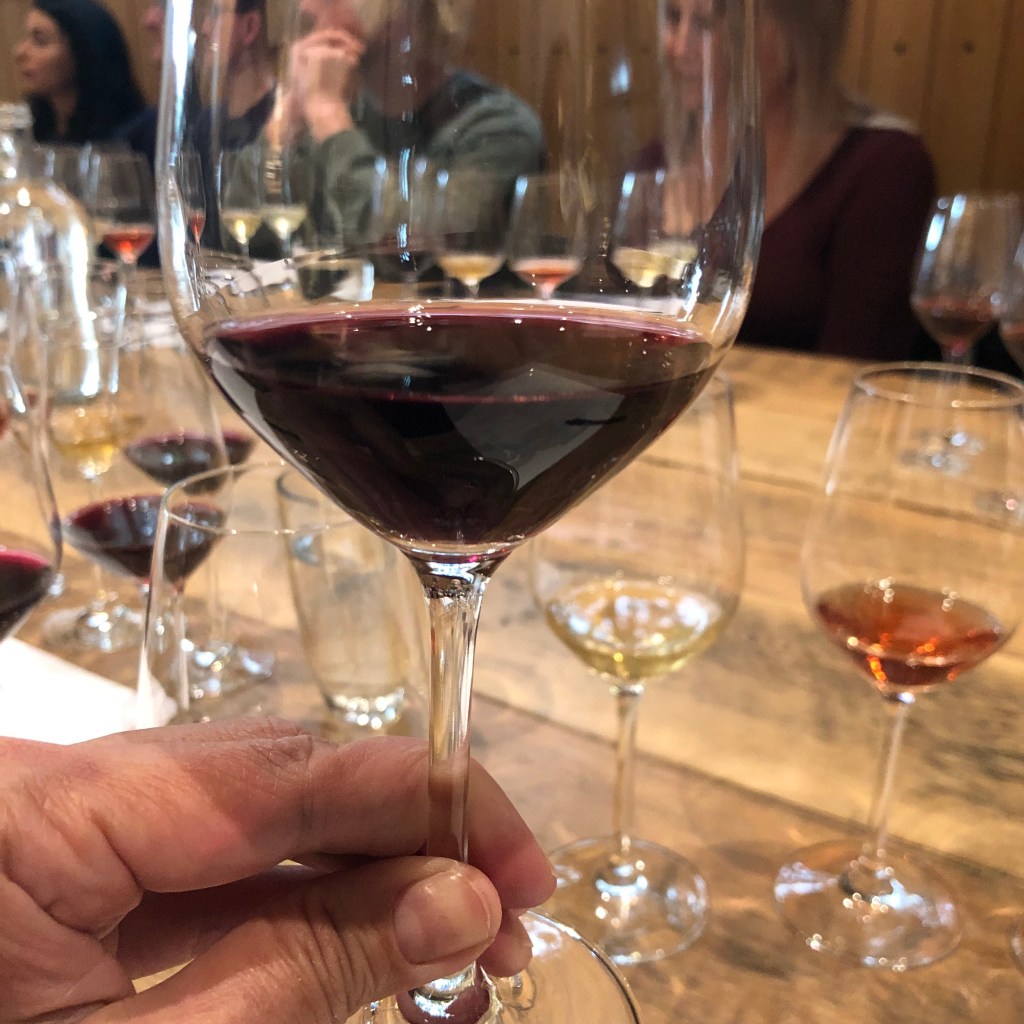
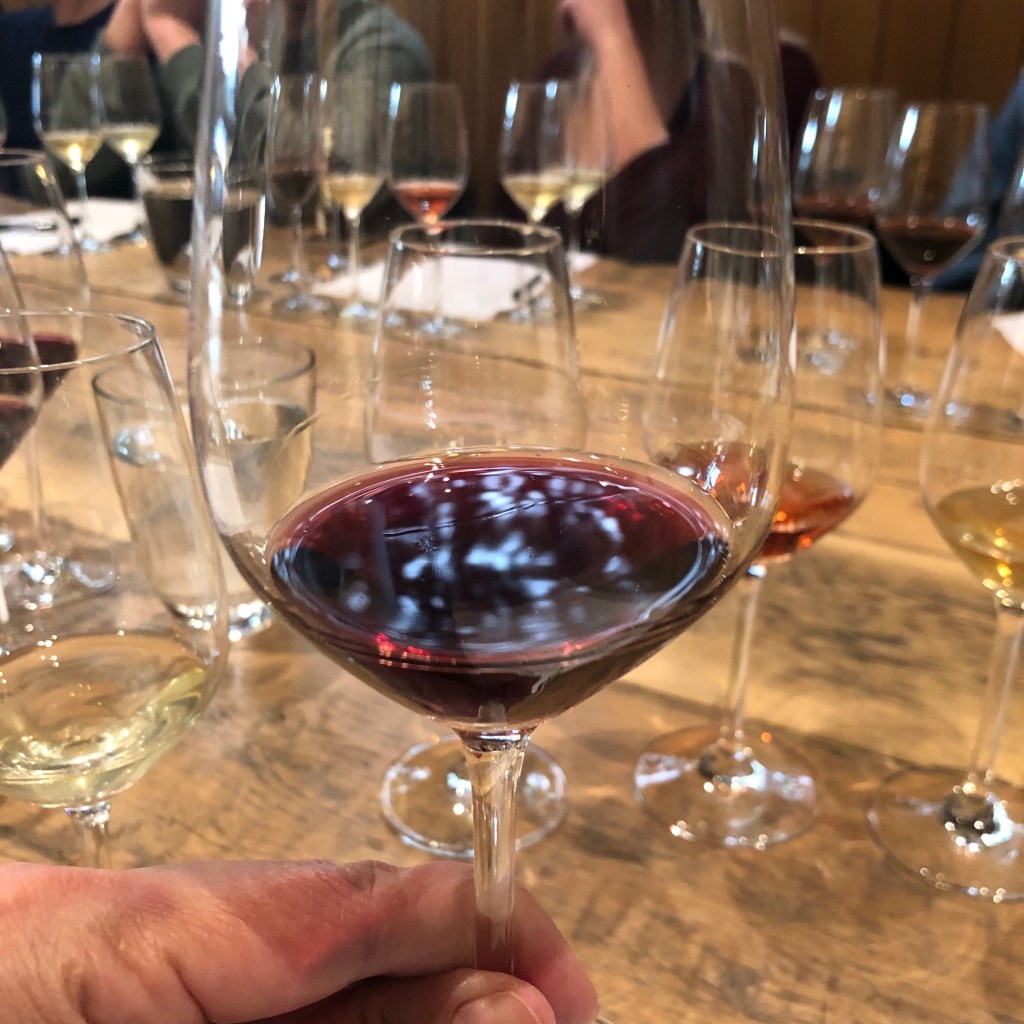
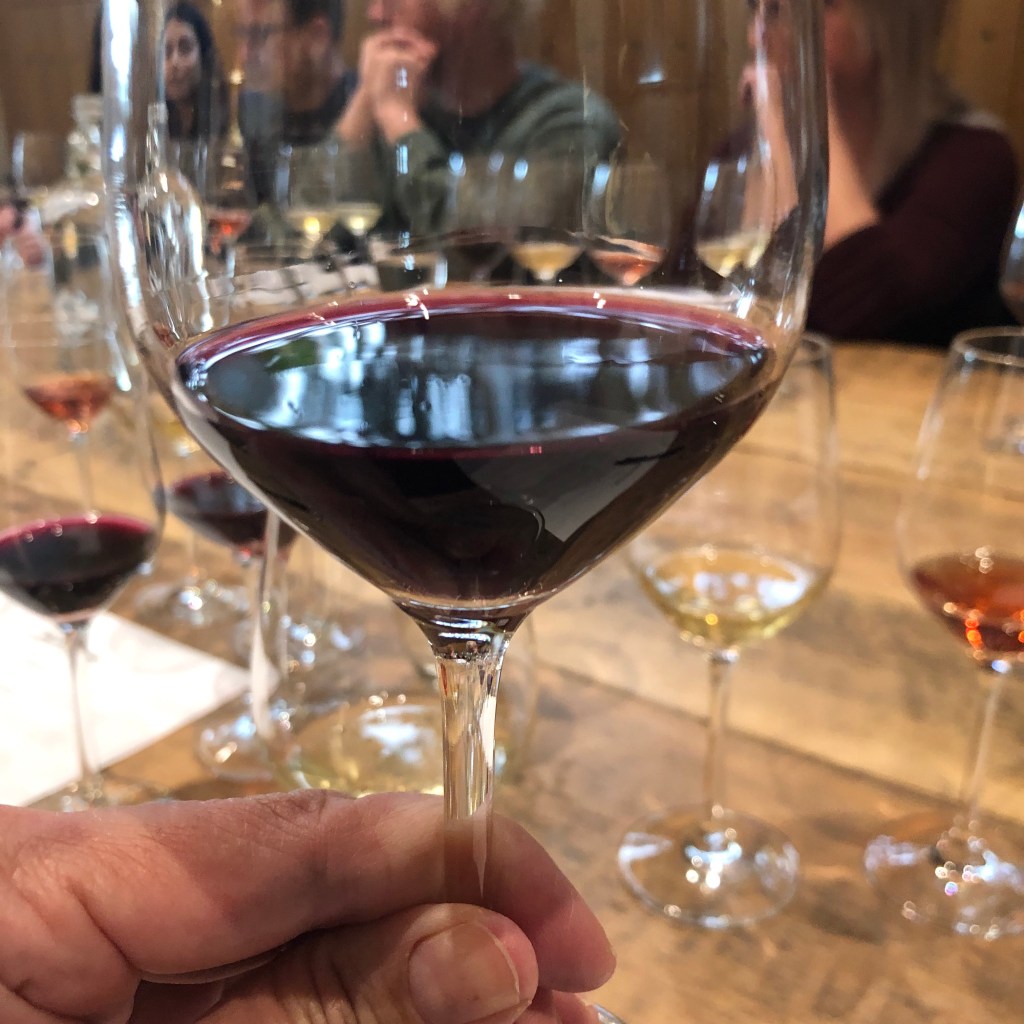
Bex.oxo is becoming a regular at Juice Import’s events! We recently attended the Milan Nestarec wine tasting ($25) at Bricks Wine Co, another sold-out event. For this post, let’s listen to “Fly Me to the Moon” by The Macarons Project.
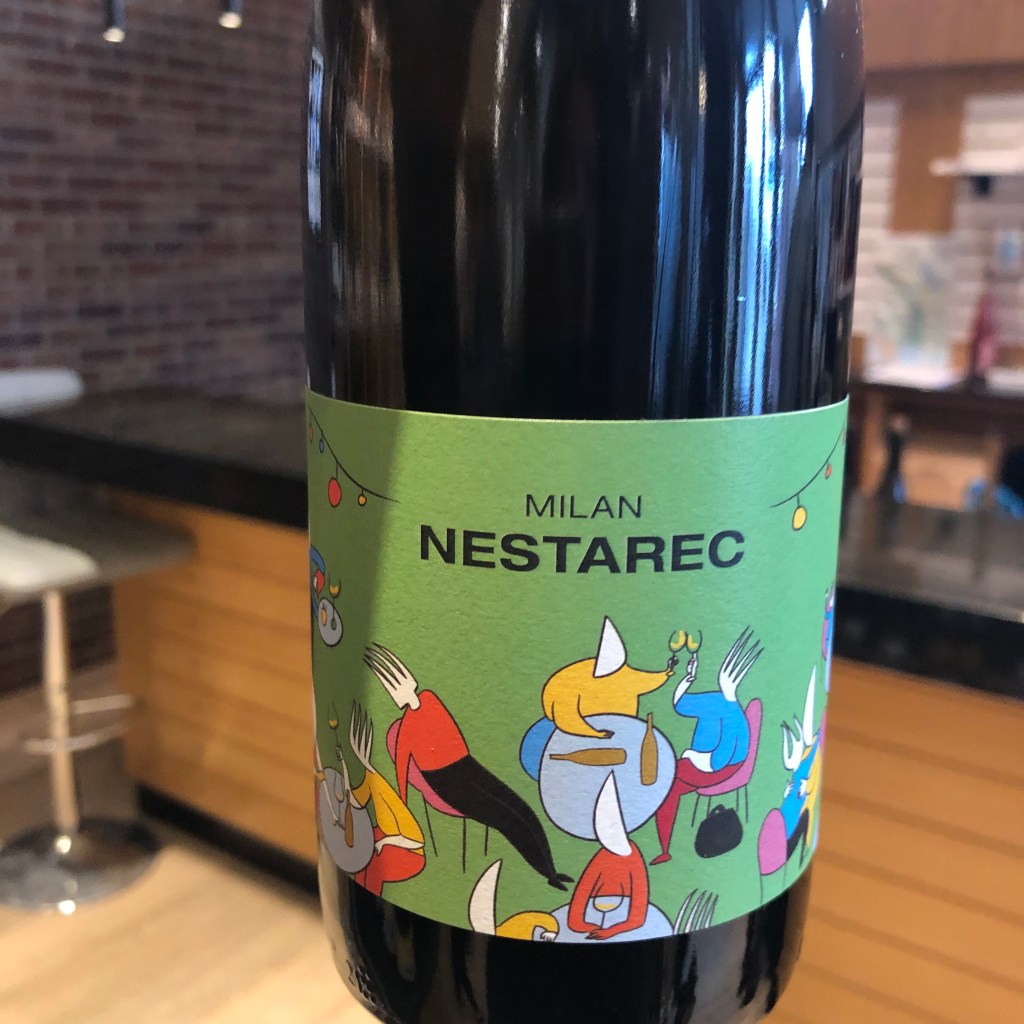
I noticed that our fervent host, Juicee Import co-owner Erik Mercier, has a formula for each class. He likes to begin by delving into the background of each winemaker’s ethos, the sustainability of their farms, and winemaking philosophy. In the case of Milan Nestarec, a winemaker in the Czech Republic, he also spun an intriguing history lesson.
Milan Nestarec hails from Moravia, the Czech Republic’s most southern wine region. In the post-communism era in Moravia, the government restricted winemakers to only selling wine and grapes in bulk to the state-run cooperative winery. As one can only expect when the focus is on quantity, there was no incentive to produce top-quality wines. Instead, chemical farming became the norm, and thousands of years of the country’s winemaking tradition and history were almost lost.
That’s where 30-year-old Milan comes into play. When he was growing up, wine was something to consume after dinner rather than with the meal because the quality of wine was so poor. Milan didn’t want the wine culture to die, so he began producing some of the most compelling wines in the Czech Republic. He’s succeeded. Internationally, he has reached fame in New York, London, and Tokyo. Erik noted that sommeliers regularly battle for his limited-production wines.
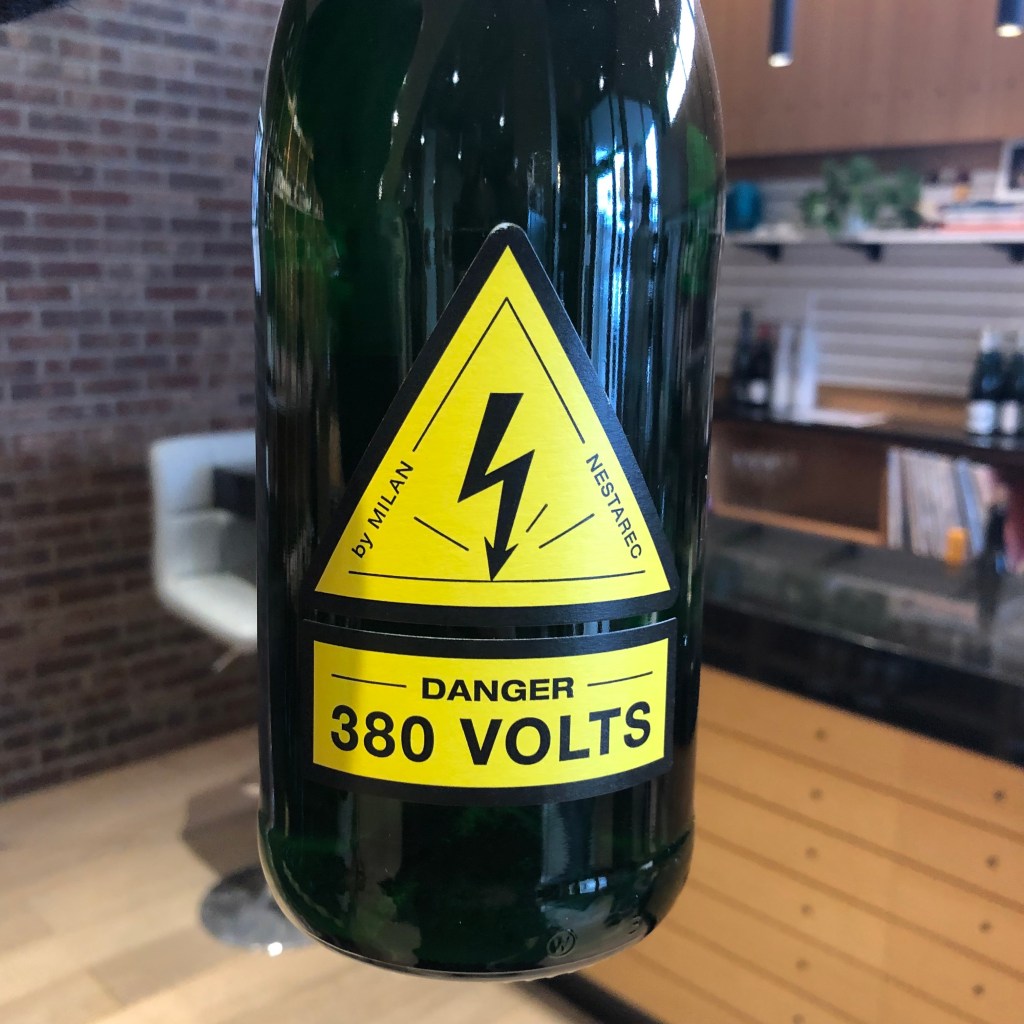
I’m always amazed at natural wines’ vivid colours, which shine through the glass like liquid gemstones. Our first tasting was Danger 380 ($47.75), a sparkling wine. Erik retold the story of when Milan first made sparkling wine, a total of 5,000 bottles. Unfortunately, too much sugar resulted in each bottle exploding in his basement. The experience delayed his second trial for five years. Now, his sparkling wine is the sought-after in his line-up. I found Danger 380 light and refreshing, reminiscent of grapefruit, but also with a unique flavour. Aptly named, this wine is dangerous. Bex.oxo called this the perfect jubilation bubbly. I agreed and bought two bottles for the upcoming celebrations.
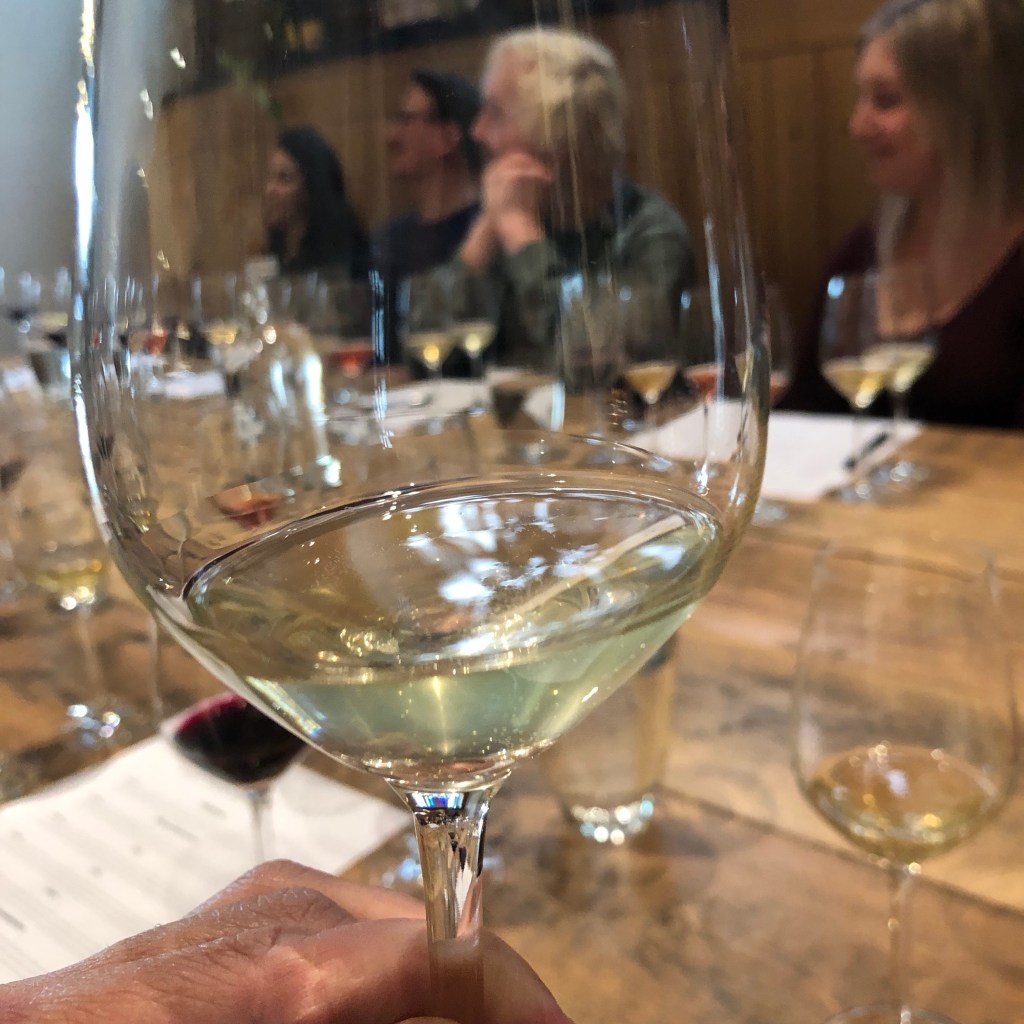
The second tasting, 2020 Forks and Knives White ($44.95) offered a ton of flavour. I found this wine pleasant, with a tang that tickled the back of my throat. Milan uses only the aromatic grape varieties in the Forks and Knives White: Grüner Veltliner, Welschriesling, and Neuburger. Erik commented on the wine’s beautiful acidity and earthy, broth-like quality.
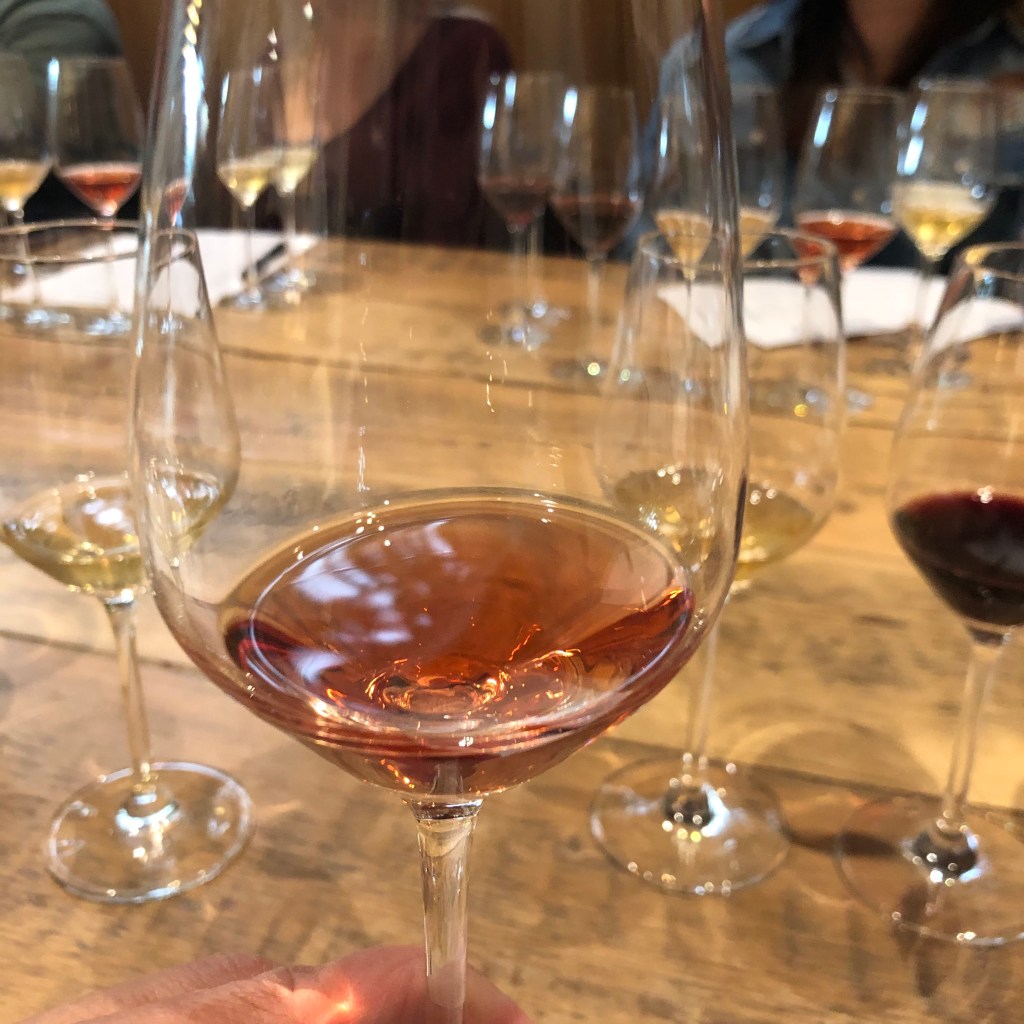
Bex.oxo and I enjoyed the aromatic notes in the rosé – 2021 Ruz ($36.95). The colour was similar to strawberry juice. This wine, and the following two bottles, contain a litre, making it a mini-magnum. I knew my friends Kournikova and Fougui would love this wine, so I bought two bottles. I asked Erik what food would pair with the Ruz. A Juice Imports regular, Coke, piped up and said it would pair with Tuesday. Everyone laughed but me, as I have a friend named Tuesday, and for a second, I thought he knew her too. Erik recommended pairing salmon poke or watermelon and feta salad.
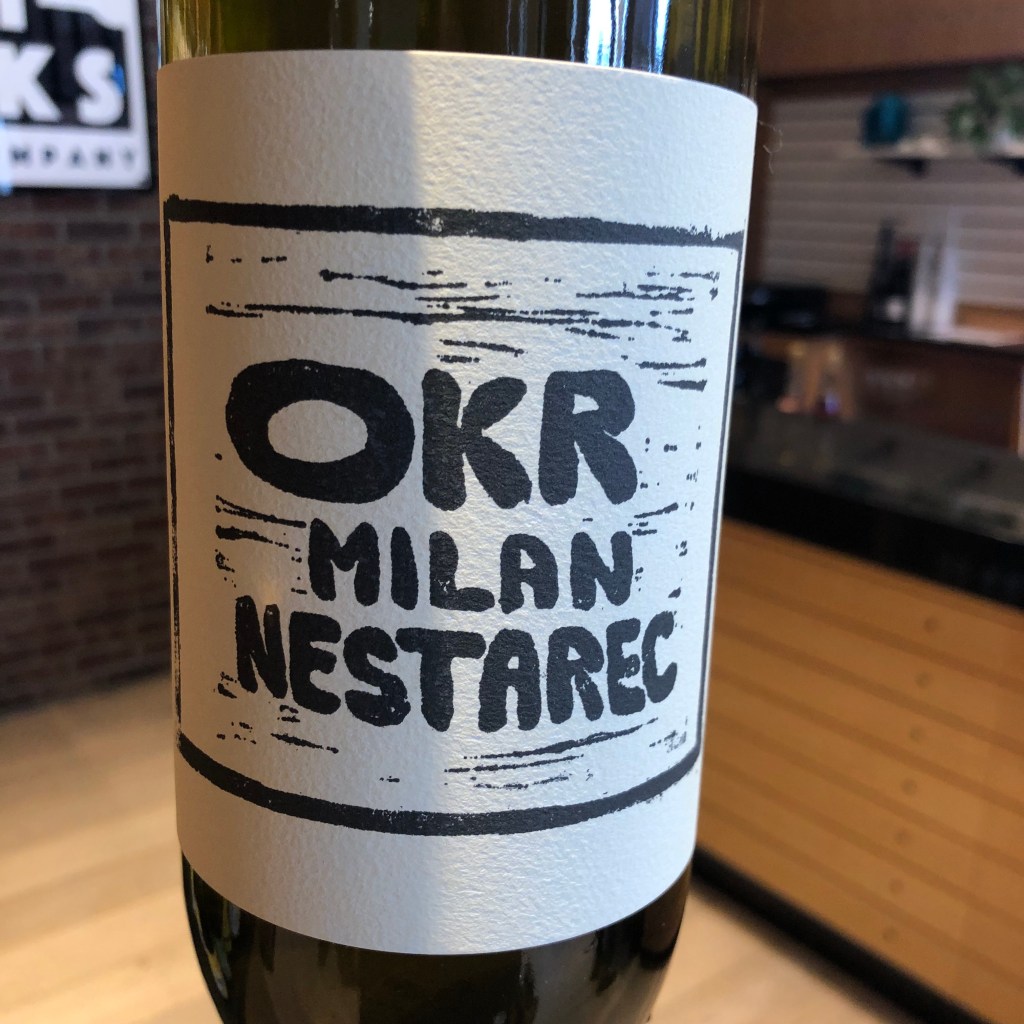
The flavour of the 2021 Okr ($40.95) stood out. And what an interesting fragrance! I smelled lycee. Bex.oxo didn’t take to this wine, so she gave me her glass to finish. Erik described this wine as wild, with savoury notes like curry leaves. I bought a bottle for Sunflower as she’s into orange wines and funky flavours.
We tried a red wine next, a 2021 Nach ($36.95). Erik informed us that Nach is the Czech word for “purple,” representing this youthful wine’s colour. Erik described Nach as bright, juicy and fresh. Milan wanted to create something low-key and easy to drink to share with his neighbours. I could taste pepper. Bex.oxo gave me her glass to drink, so I double-fisted my tasting again.
Bex.oxo and I enjoyed the 2020 Forks and Knives Red ($45.95). Erik exclaimed there is tons of structure in the wine. When he sipped, he envisioned jazz music and tall white candles burning. I wanted to buy a bottle, but at this point, I had already surpassed my budget, so I had to tap out.
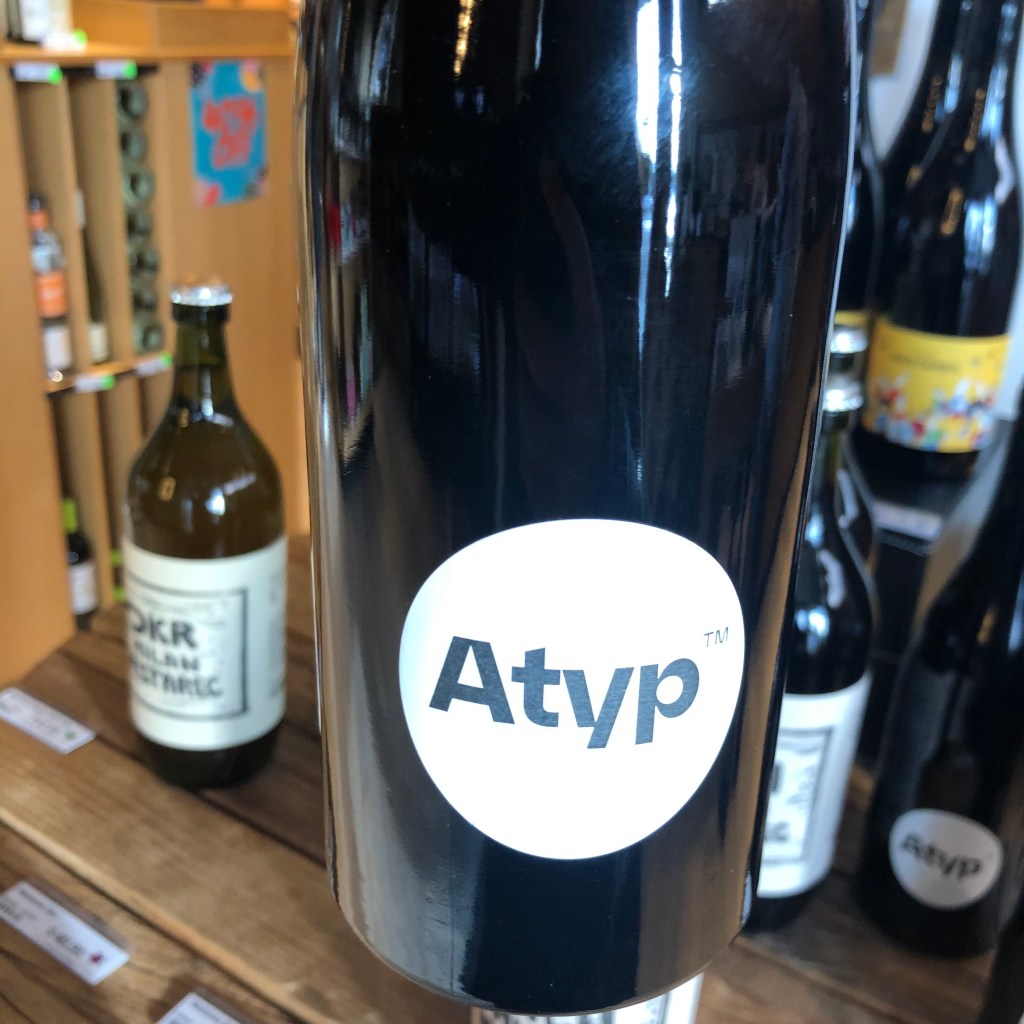
The last bottle, ATYP #1 ($51.95), is made from a blend of all Milan’s varieties: red and white co-fermentation of Blaufränkisch, Portugieser, Sankt Laurent, Muscat, Grüner Veltliner, as well as others. ATYP #1 is a hard-to-find wine, as only 166 cases were produced.
The fragrance was so pretty, Bex.oxo whispered she wanted to make a candle out of the scent and burn it all night. I thought this was a wild, silky wine. When I asked Erik to describe the flavour and aroma, he laughed and said it smelled like grapes or jam. He could taste dark fruit, such as Saskatoon berries, but with a light body.
Something terrible happened to me after the tasting. The next day when I sipped on a glass of wine, I almost spat it out. Compared to what I tasted the day before, my usual house wine tasted like vinegar. Financially, I miss the days when I could enjoy a glass of Apothic.
Sunday is my Funday, particularly when Juice Imports hosts a wine tasting ($25)! The night before the event, my friend Quebecoise confided that the wines from her home province were notoriously bad. Despite this inside tip, I was confident that Sunday’s wines would be stellar because I’ve personally tasted the whimsically delightful wines Juice Imports brings to Alberta. For this blog, let’s listen to “Old Love” by Dominique Fils-Aimé.
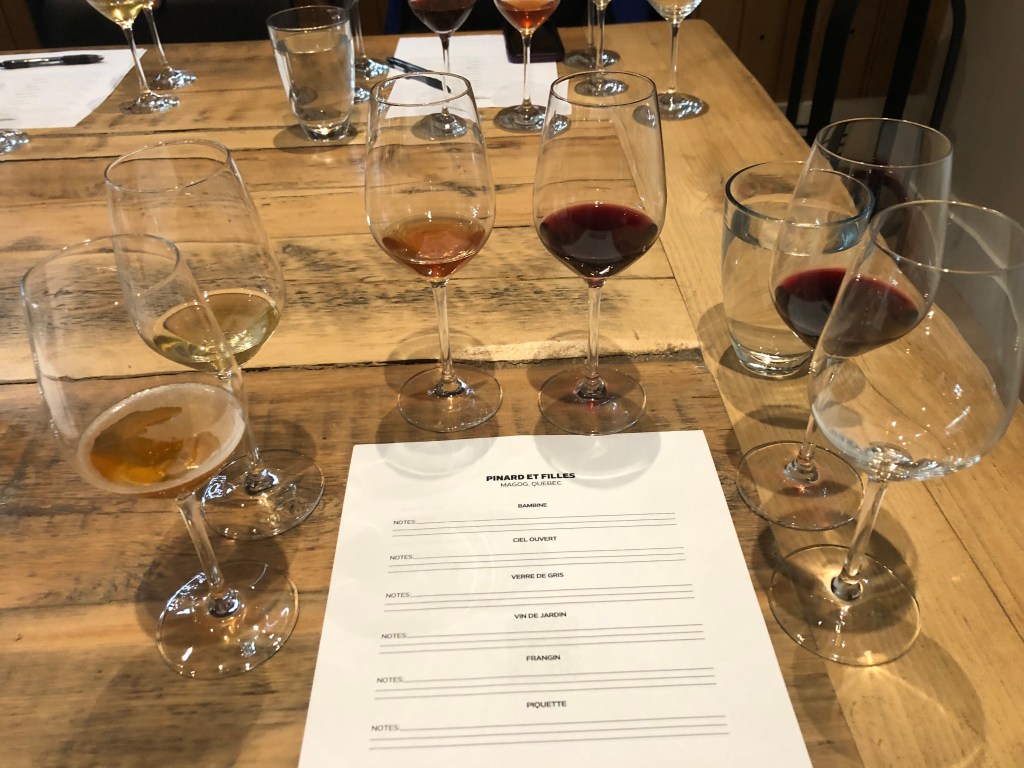
We sampled six wines from Pinard Et Filles, a winery in Magog, Quebec. Erik confirmed what Quebecoise stated – Quebec does have a reputation for making atrocious wines. However, there is always an exception. In this case, winemaker / farmer Frederic Simon is dedicated to excellence. According to Erik, Simon’s passion dictates the unparalleled quality of his wines. If the crop doesn’t meet his expectation, he won’t bottle it, despite any financial loss he suffers.
The first two tastings were what Erik referred to as “serious and brooding” wines. First up was Bambine ($59.95). Amber in colour, I smelled ripe, dank nectarines. What an entrance this wine makes on your tongue! Erik mentioned this wine was on his top ten list in 2021. He described this orange wine as “beastly, full-bodied, supple, with rich, black tea characteristics, like oolong.” Sunflower whispered that it reminded her of funky cider.
The second wine – Ciel Ouvert ($61.95), is Erik’s current favourite. To me, this wine smelled bright and potent. Erik tasted brine and almond characteristics. He compared this wine to a book you repeatedly reread because you discover something else each time you look through the pages. It’s a wine you can taste over and over and, each time, find new depths. Sunflower thought the Ciel Ouvert would pair with a fatty cheese with an unusual flavour.
The third wine was Sunflower and my favourite – Verres de Gris ($52.95). What a fun wine! I drank this far too quickly. Sunflower tasted blackberry or gooseberry and said it smelled jammy. Erik commented that Pinard Et Filles has a cult following, and their stock sells out instantly in New York and Toronto. Even in Quebec, there are lineups to buy their wine, and customers are limited to one bottle per person.
Next, we tried Vin de Jardin ($49.95), a garden wine. Woah, baby! I dig the smooth, silky texture and pretty scent. Sunflower tasted cranberries and mentioned it was almost like drinking white wine.
Frangin ($52.95) was another winner. Sunflower smelled raspberries. Erik described this red wine as peppery and lip-smacking. He noted that all Pinard Et Filles wines are 100% natural, with no added sulphur, colour, or flavourings.
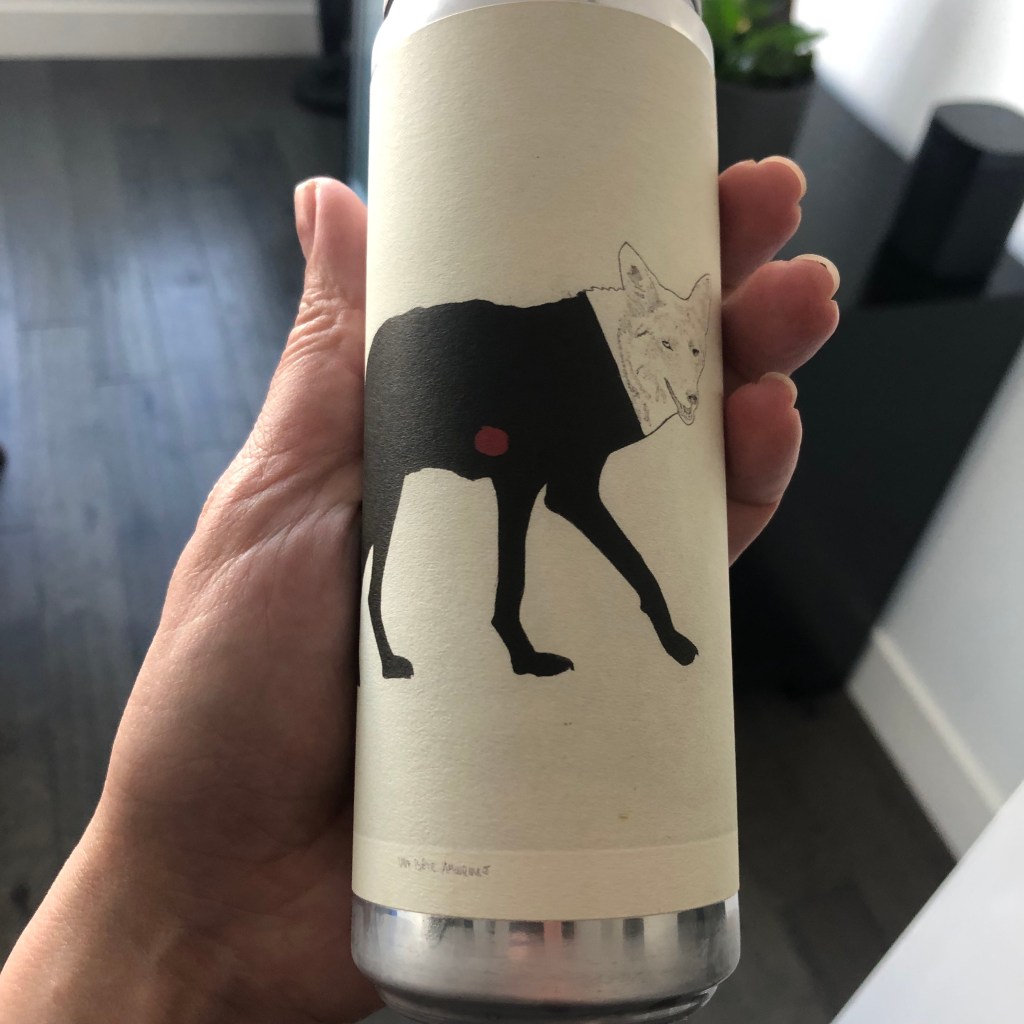
For our last tasting, Erik opened up a can of Piquet ($11.95, 355 ml). Ah, now this is what I’m familiar with – easy quaffing wine. Sunflower tasted papaya. Piquet is yummy and delicious. Erik said this style of wine is made utilizing waste products, such as grape skins, which contain so much flavour. Erik and Sunflower commented this can would be perfect for bringing to a picnic or movie theatre. I went one step further and declared it would be ideal for work. Tough crowd – no one laughed at my joke, not even a smile.
Thanks, Erik and business partner Mark, for volunteering your time to host this event, and Bricks Wine Company for only charging a bare minimum for using the beautiful space. The (practically) free tickets just mean we have more to spend at the store.
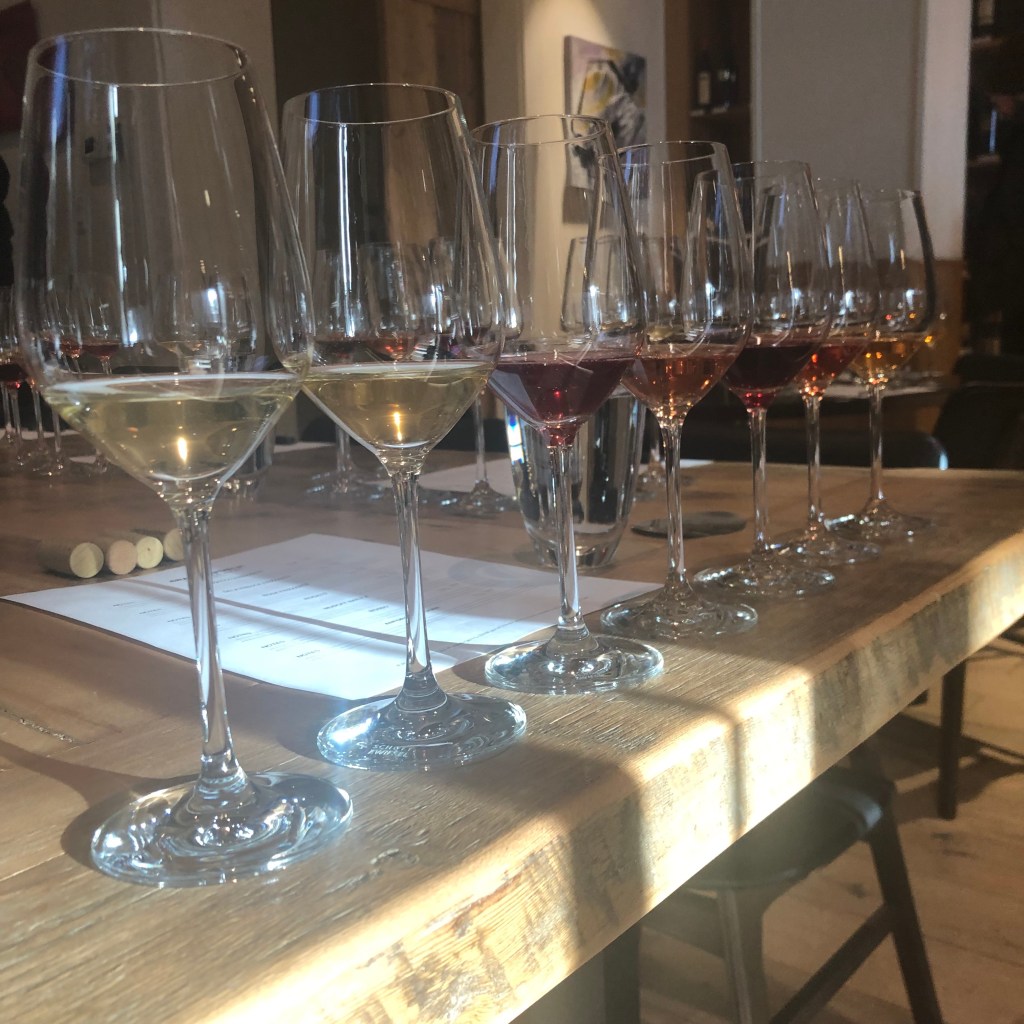
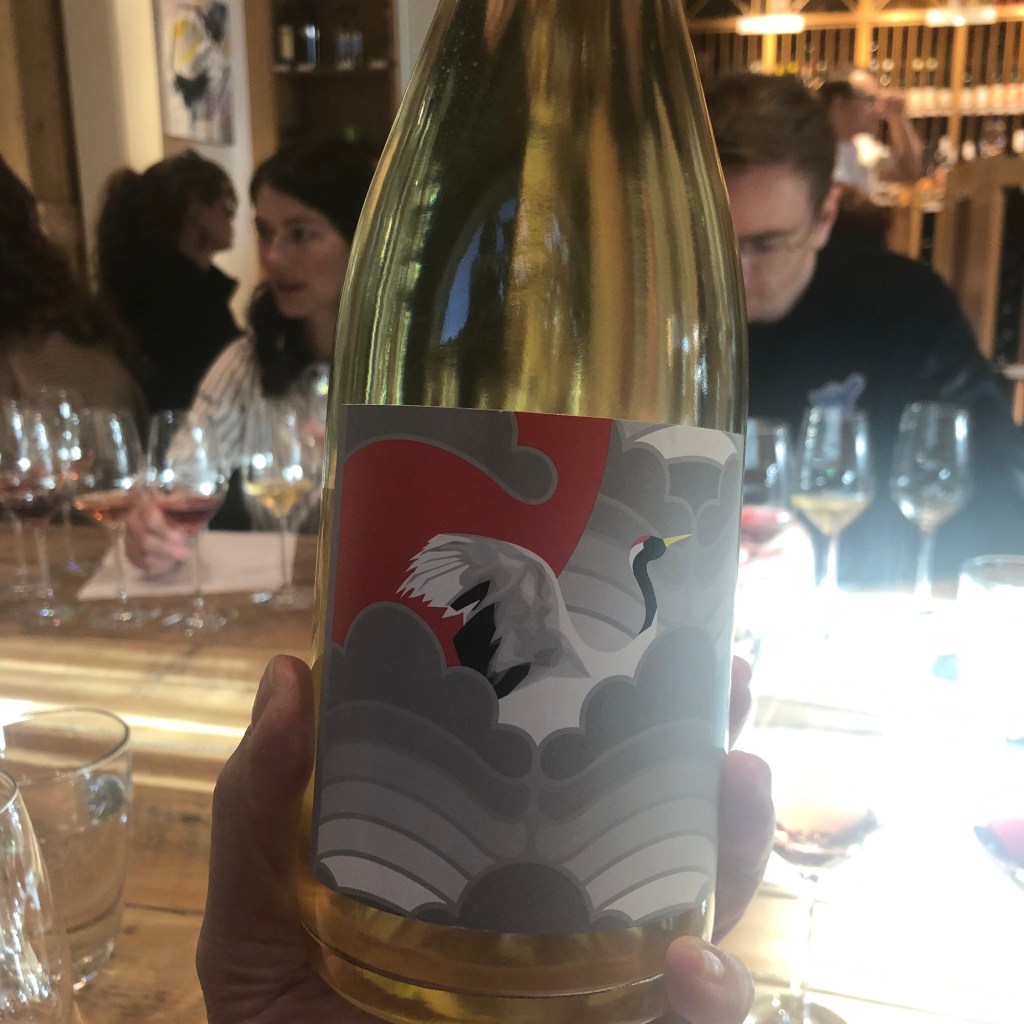
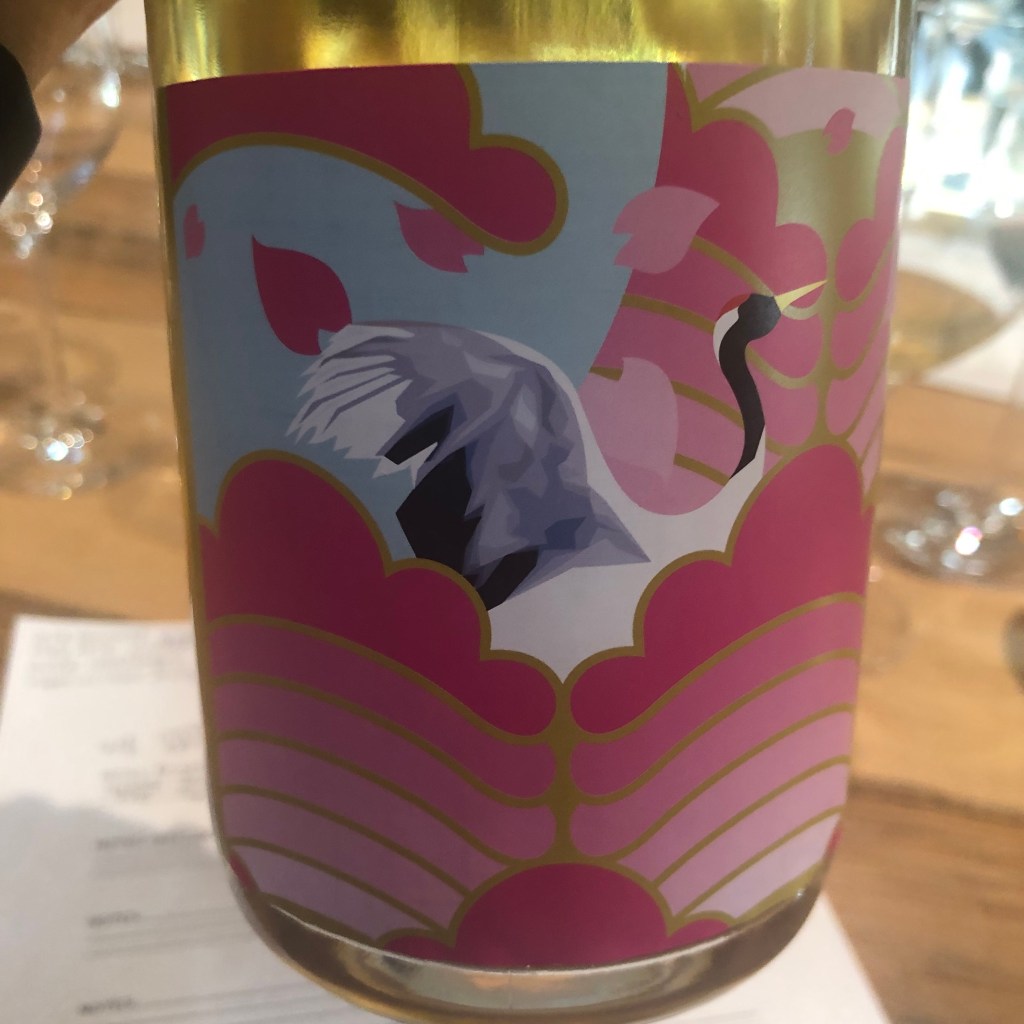
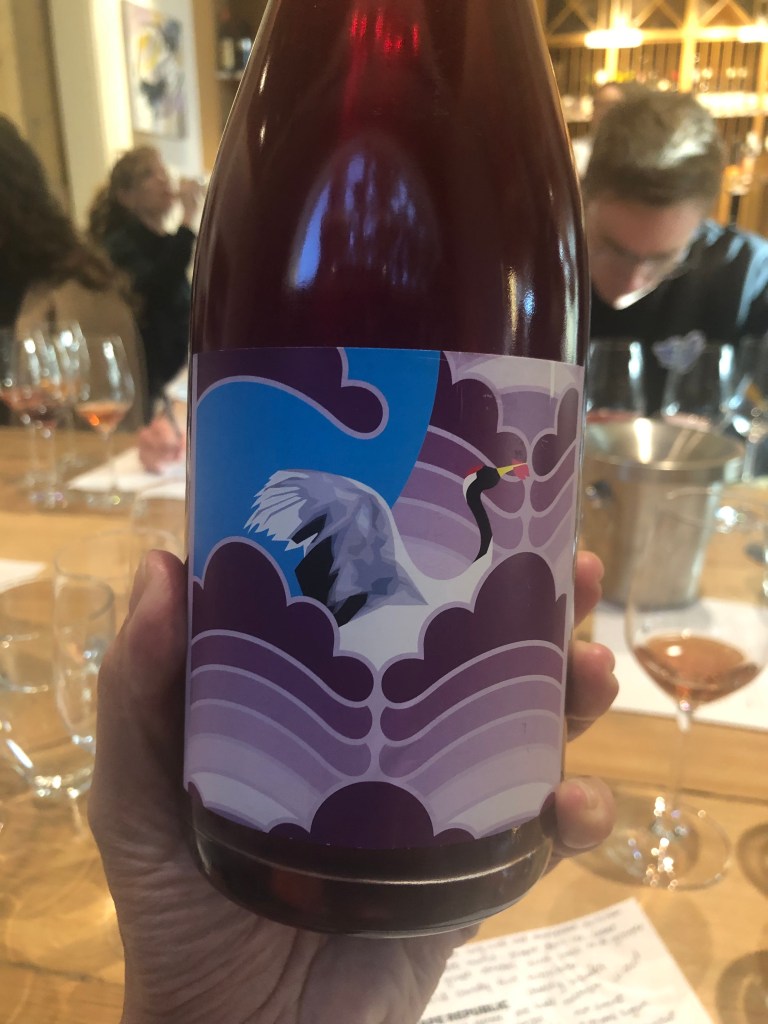
I took Bex.oxo to Juice Import’s Sunday tasting at Bricks Wine Co. Co-owners Erik and Mark were showcasing Grape Republic wines from Yamagata, Japan. For this post, let’s listen to “Carol Brown” by Flight of the Conchords.
Juice Import’s wine tastings are increasing in popularity. Each time I attend an event, the group grows in size. The Grape Republic event was not only sold-out, it was also oversold. Staff had to create another table for guests, who cheerfully announced they were at the kids’ table.
Grape Republic’s wines are from wild fermented grapes that are raised naturally. Erik informed us it is challenging to grow grapes in Japan due to the humid climate. The grapes that do grow well are a hybrid, the result of crossing European and North American varieties, which are hyper-resistant to drought, mildew, and rot.
Erik stated he is drawn the weird and wonderful flavour profile of each the wines due to the uniqueness of the grapes. He noted that there is less research and development put into these varieties over pinot noir. The most funded wines are the ones that command a high cost in the market.
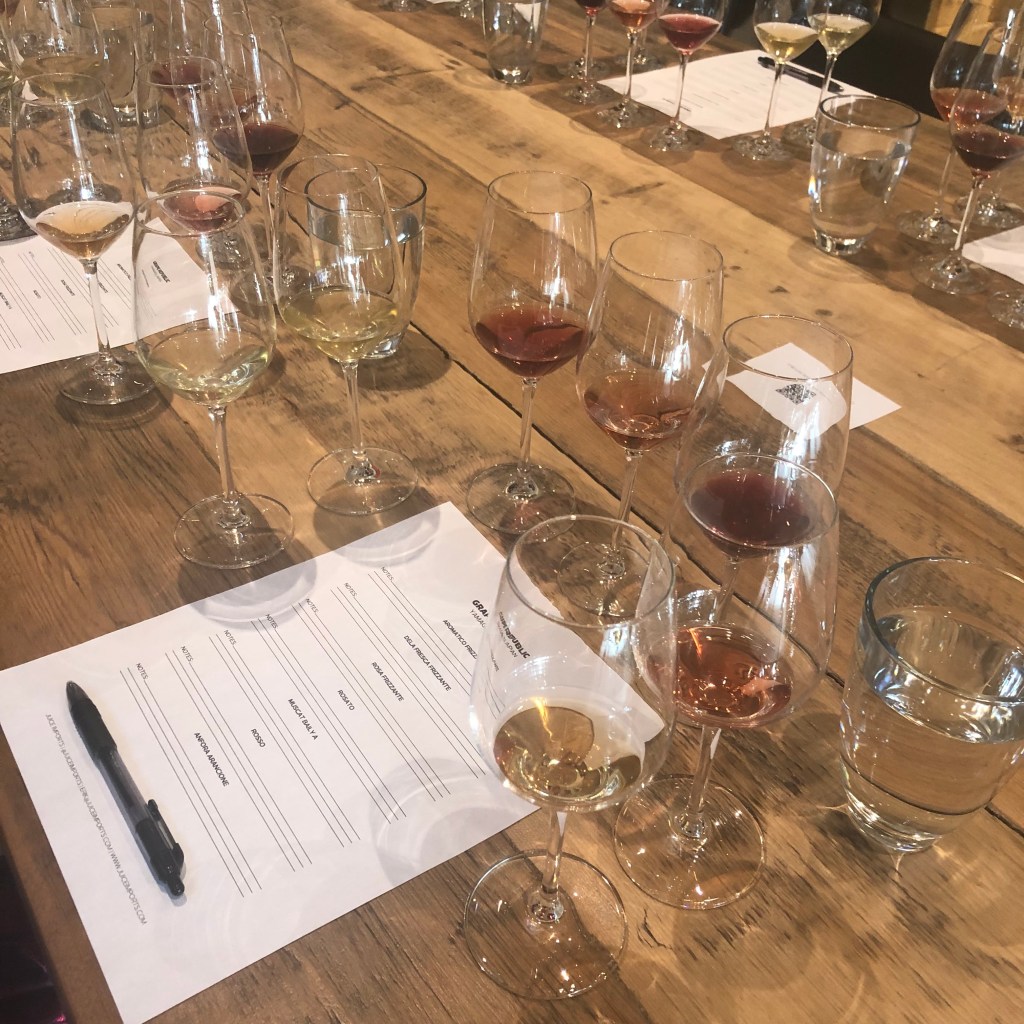
The first tasting was Aromatico Frizzante ($45), a blend of Delaware, Niagara, and Neo Muscat grapes. This was Bex.oxo favourite wine – she enjoyed the gentle carbonation and the refreshing grape-like flavour. Another person piped up and said the wine tasted like grape Hi-Chew. Erik described this wine as wild, tropical and floral.
I learned something from Erik that I’m eager to share with my mother. Wine is nutritious. Historically, wine was made so one could survive the cold winter months. As Calgary is a bitterly frosty climate, she should see the value in my new passion.
The second tasting was Dela Fresca Frizzante ($47), made from Delaware grapes. Though it smelled sweet, there are zero grams of sugar, as the wines are naturally carbonated. The wine-making process Grape Republic employs causes the yeast to eat the sugar, which turns into CO2.
Bex.oxo thought this wine was more acidic than the first sparkling wine. One of the things Erik loves about these wines is that many flavours remind him of the vintage candy he ate as a kid, like a sour patch cherry blaster or Hubba Bubba. He also mentioned all the wines from Grape Republic are food-friendly wines.
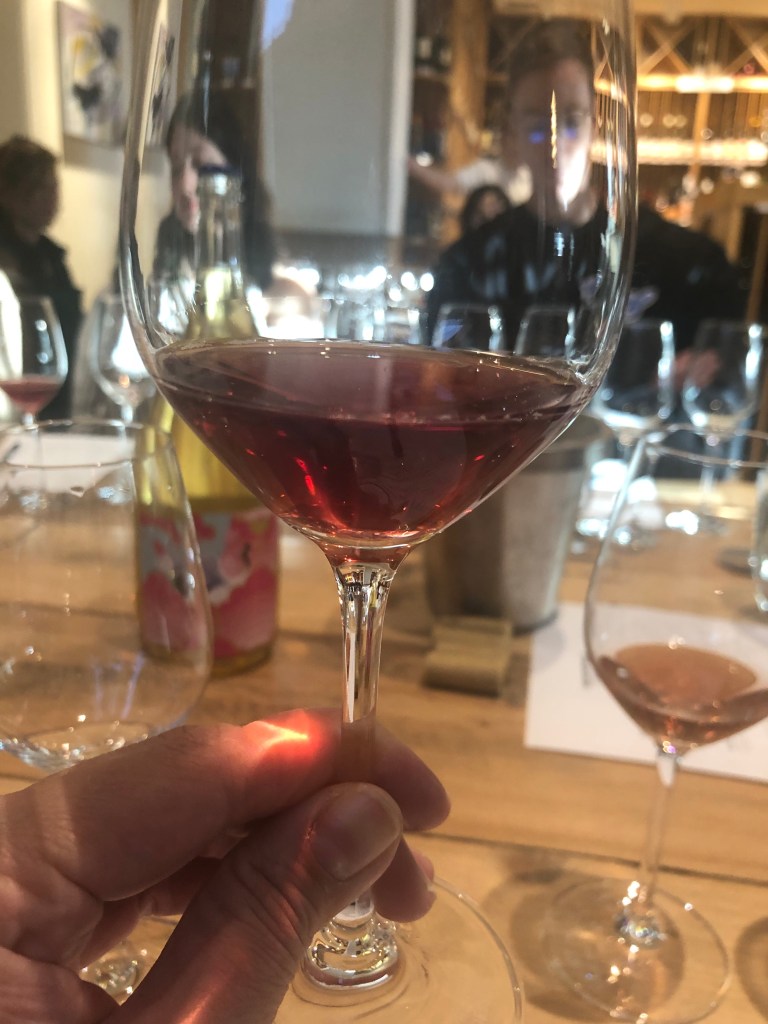
My favourite tasting was Rosa Frizzante ($47), co-fermented with Steuben, Merlot, Muscat Bailey, Niagara, Delaware, and Neo Muscat grapes. Bex.oxo smelled grapefruit. The flavour reminded me of Ribena, but with a fresher, brighter, more vibrant flavour. Out of the sparkling wines, this one was the most carbonated. I bought a bottle to share with Sunflower.
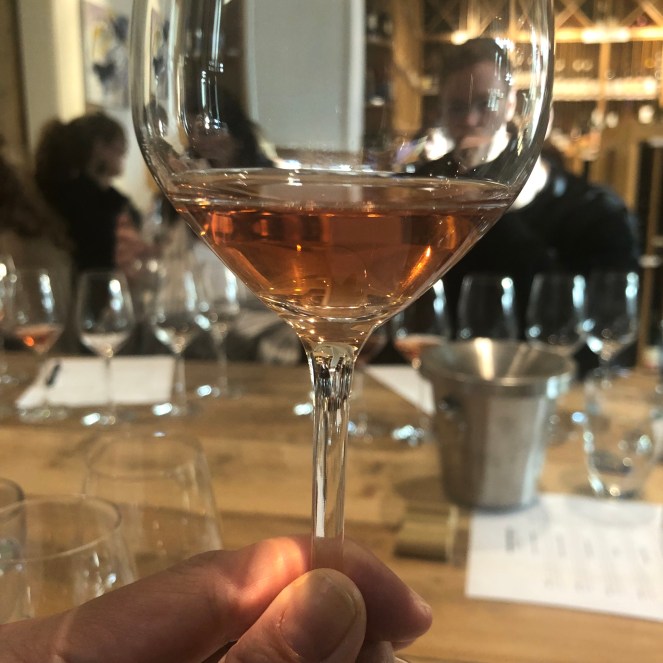
The Rosato ($45) is a blend of Steuben, Delaware, Niagara, Rosario and Bianco grapes. The smell of this wine reminded me of powered candy – Fun Dip. Unlike most rosés, this wine is a blend of white and red wine. Erik said it tasted like a creamsicle.
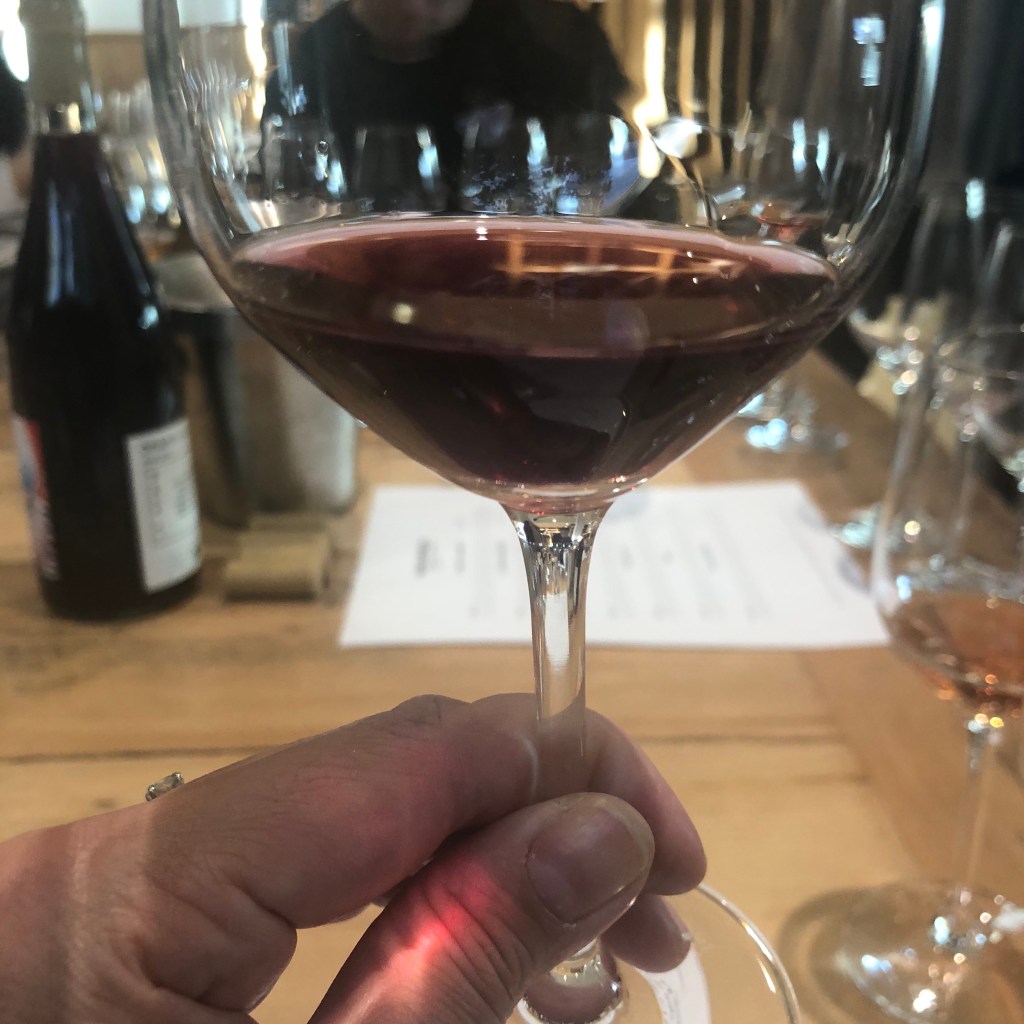
The Muscat Baily A ($51) is made from a hybrid grape called Muscat Bailey A, developed in 1927 in Japan by Zenbei Kawakami. What a gorgeous ruby hue! I enjoyed this wine immensely – it was intriguing, floral and bright on my tongue. Erik thought this wine smelled like Hot Lips candy or cinnamon hearts.
The Rosso ($47) is co-fermented with Steuben and Niagara grapes. Of all the wines, this had the most potent fragrance. The Rosso is a showstopper.
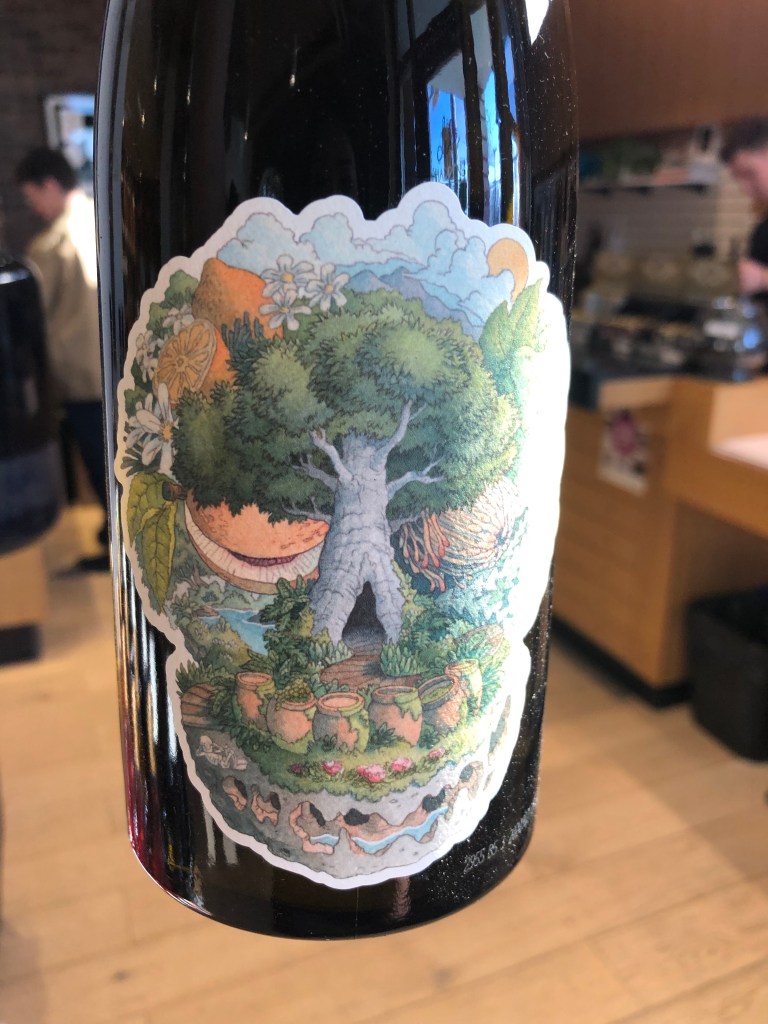
Anifora Arancione ($47) is a classic Italian orange wine made from Delaware grapes, aged in clay vessels that are buried in the ground. We learned that orange wine is fermented with the skin on, which preserves the grape’s flavour, texture and colour qualities. Orange wine isn’t new, and it existed before white wine. It was only 150 years ago that white wine was produced in colder climates, such as Burgundy and Germany, and then later became popular in the 1950s.
Bex.oxo thought it was neat that we were trying such rare wines because of Erik’s international connections. She also liked that she could taste each wine before plonking big money for a bottle. I agree. When I splurge for a nicer than usual bottle, I want to know it will be worth it. I’m looking forward to Juice Import’s 2023 events, because the collection I’ve accumulated in 2022 will be gone by New Year’s Eve.




















 Hitting the Sauce